Table of Contents
This updated guide examines How to Back up Your Iphone to Mac and organizes the essential facts, background, and practical takeaways in clear American English.
Method 1of 3:
Using iCloud
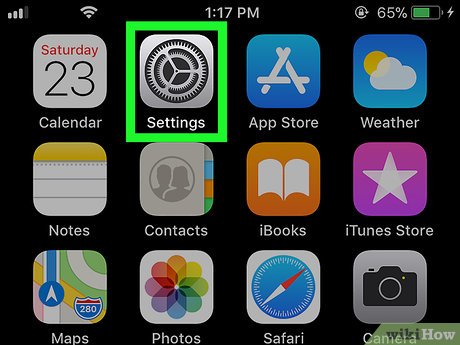 Open your iPhone's Settings
 . It's the gray app with gears usually located on your home screen.
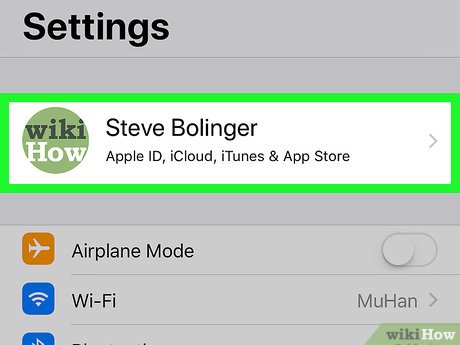 Tap your Apple ID at the top. Your name and profile picture are at the top of the Settings menu. This will take you to the Apple ID menu.
- Tap "Sign in to iCloud" and log in with the email and password associated with your Apple ID if there is no Apple ID listed at the top.
 Tap iCloud
 . It's the white icon with a blue cloud towards the top of the Apple ID menu.
 Tap the switch 'ON'
 for every app you want to back up. When the switch across from an app is green, iCloud backup is turned on for that app and its data will be backed up.
 TapiCloud Backup. It's next to a green icon with a circular arrow.
 TapBack Up Now. This will backup your device to iCloud. Your iPhone is now backed up using iCloud and can be restored from the iPhone itself or your Mac computer using iTunes.
Method 2of 3:
Using Finder (macOS Catalina and newer)
- Connect your device via USB.
 Select your device in Finder. It should be on the left side of the window under Locations section.
 Select "Back up to this Mac". Usually this setting is enabled by default, but if the device was previously backed up to iCloud, you may need to change the setting manually.
- Encrypt the backup. Enable backup encryption if it was not enabled previously. It's important to have backup encryption enabled due to the following reasons:
- Data from unencrypted backups can be extracted with third-party software by anyone who has access to this backup (even if it was copied to another computer).
- Only encrypted backups include keychain (all passwords and sensitive data from some apps, like password managers and banking apps), saved Wi-Fi passwords, Health and Home apps data.

 PressBack Up Nowbutton to start the backup.
Method 3of 3:
Using iTunes (macOS Mojave and older)
 Open iTunes. It's the app that has two music notes on a white icon.
 Connect your iPhone to the computer. Use a USB cable to connect your iPhone or iPad to your computer. You should see your iPhone or iPad appear in the sidebar of iTunes on your Mac.
- Make sure your iPhone is unlocked when you plug it in. On your iPhone, if you are prompted to trust the computer you're connected to, tap "Trust" on the pop-up.
 Click your iPhone. It's the button that resembles an iPhone near the top-left side of the iTunes window.
 Click the radio button next to "This computer". It's in the Backups section of the device summary page for your iPhone. This will ensure that you will create a backup of your iPhone on the computer's hard drive.
- You can check the box for "Encrypt iPhone backup" if you want to encrypt the data and require a password for your backups.
 ClickBack Up. It's on the right-hand side under the "Manually Back Up and Restore" section. This will begin creating a backup on your Mac.
- Wait for the backup to finish before disconnecting your iPhone from your Mac.
 Click
Click . Once the backup has finished, you can eject your iPhone and unplug it from the computer. The eject icon resembles a triangle above a flat bar and it's located in the top-right corner of the iTunes window, next to your iPhone's name.
FAQ
What is How to Back up Your Iphone to Mac about?
It provides a structured overview of iphone, explains the main context, and highlights practical takeaways for readers.
Why does this topic matter?
Understanding the main concepts helps readers evaluate the issue, avoid common mistakes, and make better-informed decisions.
How should readers use this information?
Use the guidance as a practical starting point, confirm details that may have changed, and follow current product, safety, or security recommendations.
Related Articles
 How to Set up the Back Tap Gesture on iPhone5 minutes read
 How to Enable Back Tap on iOS 14, How to Use Back Tap4 minutes read
 Instructions on Turning on the Back of iPhone4 minutes read
 Why Does Back Tap Keep Accidentally Activating the Flashlight on: Key Facts5 minutes read
 How to Back up Photos on iPhone to the Computer2 minutes read
 How to Turn on Dark Mode by Tapping on the Back of iPhone6 minutes read
Reader Comments 0
Sign in with email or Google to join the discussion.