Table of Contents
This updated guide examines Configure Tcp // IP to Use Dhcp and Static IP Address at the Same and organizes the essential facts, background, and practical takeaways in clear American English.
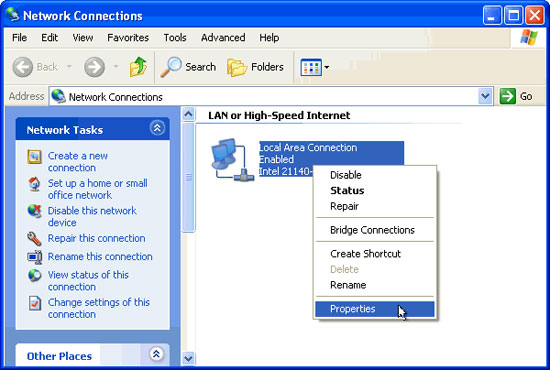
3. Select TCP / IP (Make sure you do not uncheck the box here) and click the Properties button.
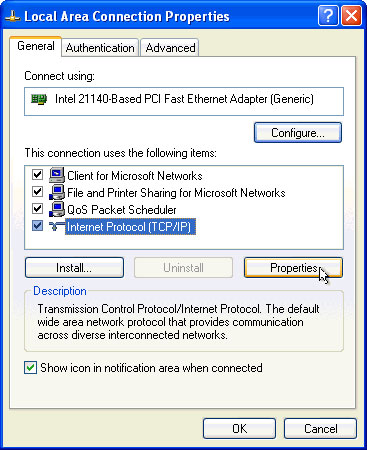
4. Make sure the " Obtain Automatically " option is selected

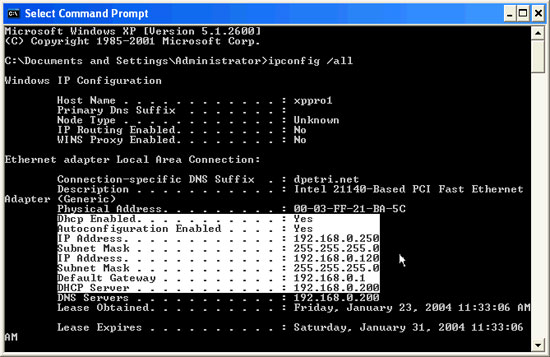
5. You can check your settings by running: ipconfig / all at cmd:

6. The job is complete. Add a second static IP address (or third and more) 1. Click Start and select Run . fill in: Regedit and press Enter. Note : On Windows 2000 and NT you need to run regedt32 instead of regedit . 2. Go to the following key:
HKEY_LOCAL_MACHINE'SYSTEM'CurrentControlSet'Services'Tcpip'Parameters'Interfaces' {B003AD4A-B6DB-44FD-9741-CBA3C51B6498}
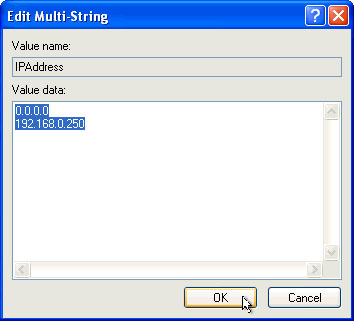
3. Select the IPAdress key and double-click it. 4. In the Edit Multi String dialog box enter a second IP address (third and so on). Make sure that each IP address you enter is separated on a separate line. Click OK .
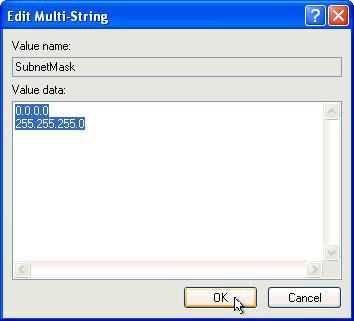
5. Select the SubnetMask key and double-click it. 6. In the Edit Multi String dialog box enter a second Subnet Mask (third and so on). Make sure that each Subnet Mask you fill in is on a separate line. Click OK .
7. Close this registry editor. 8. Back to Local Erea Connection , right-click on the NIC and select Disable .
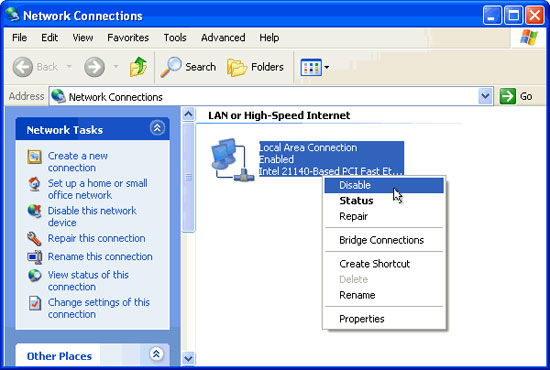
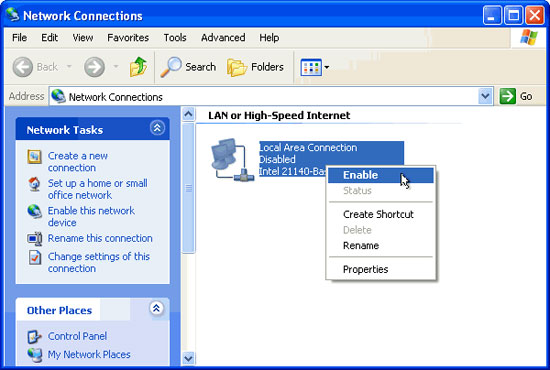
9. Right-click on the NIC and select Enable
10. Check your settings by running ipconfig / all at cmd:
FAQ
What is Configure Tcp // IP to Use Dhcp and Static IP Address at the Same about?
It provides a structured overview of Cau, explains the main context, and highlights practical takeaways for readers.
Why does this topic matter?
Understanding the main concepts helps readers evaluate the issue, avoid common mistakes, and make better-informed decisions.
How should readers use this information?
Use the guidance as a practical starting point, confirm details that may have changed, and follow current product, safety, or security recommendations.
Related Articles
 How to Configure Static IP Address on Ubuntu 22.04 LTS and 22.106 minutes read
 What Is IP Address: What Is a Static IP Address?11 minutes read
 How to Configure Static IP Addresses on Linux7 minutes read
 What Is DHCP and Static IP? Should I Choose DHCP or Static IP?5 minutes read
 Configuration, Static Dhcp Settings on Dd-wrt Router5 minutes read
 What Is DHCP or Dynamic Host Configuration Protocol?12 minutes read
Reader Comments 0
Sign in with email or Google to join the discussion.