Table of Contents
Start from an existing deck when the content already exists, and use Slide Master when the same formatting change belongs on several slides. These eight PowerPoint features save time at different stages, from assembling a draft to trimming media before you present.
1. Import slides from another presentation
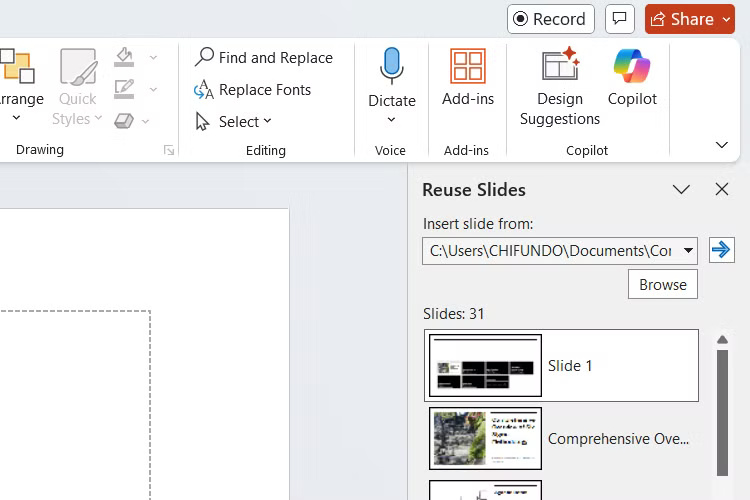
On versions that offer Reuse Slides, open the menu under New Slide, choose Reuse Slides and browse to the source presentation. Insert the slides you need. If Keep source formatting is available, turn it on to retain the original design or leave it off to let the destination theme apply. Review the imported slides for old dates and references. If your version lacks the command, see how to combine PowerPoint files.
2. Standardize layouts with Slide Master
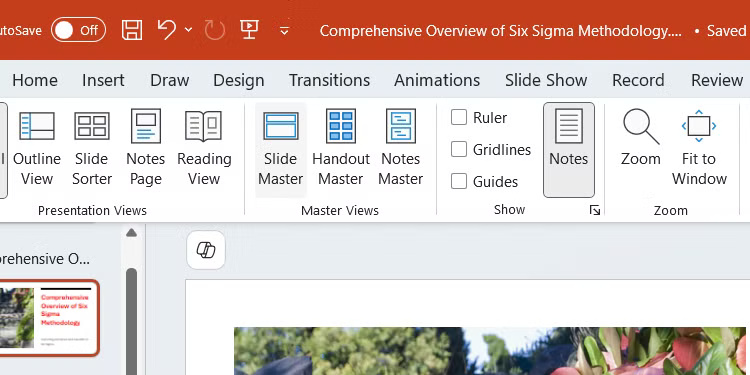
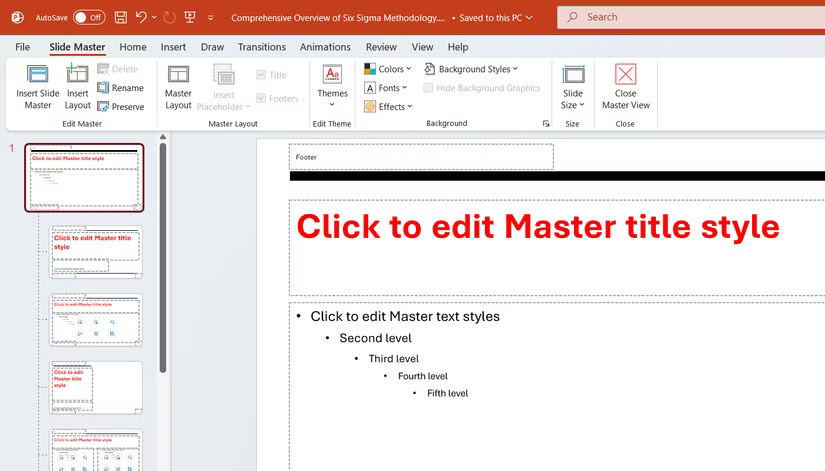
Open View > Slide Master. Select the top master for shared design elements or a layout beneath it for a change that applies only to that layout. Then choose Close Master View. If an existing slide doesn’t pick up a layout change, check which layout it uses and reapply it. See the Slide Master walkthrough for the difference between a master and its layouts.
3. Save a chart as a template
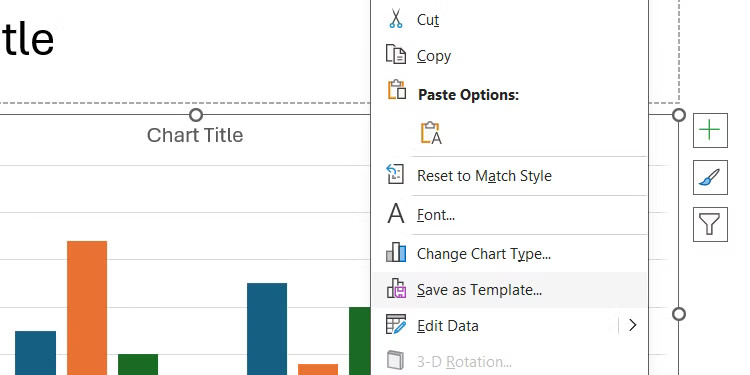
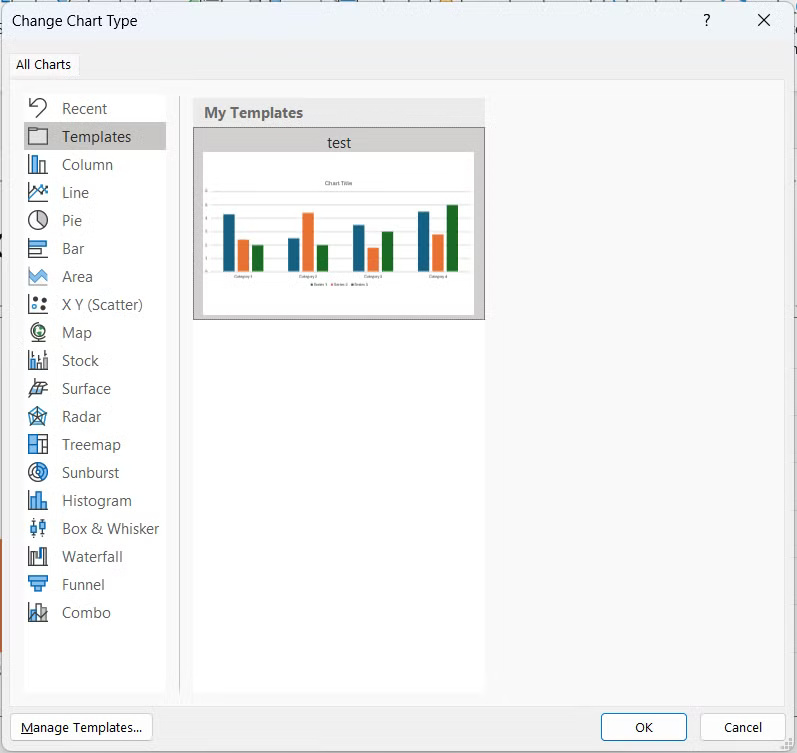
In desktop PowerPoint, right-click a formatted chart and select Save As Template if available. To use the saved style on a new chart, look for Templates in the Insert Chart dialog. Add the new data and check the axes, units and series labels before presenting.
4. Pin commands to the Quick Access Toolbar
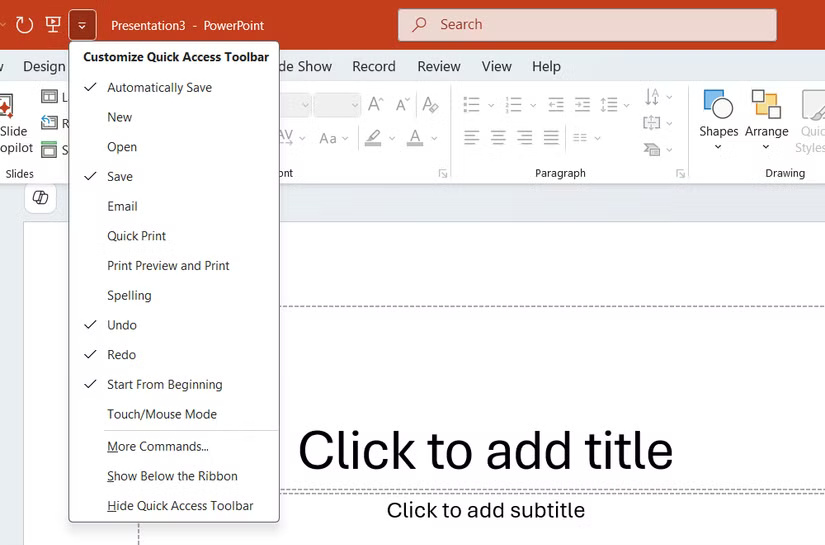
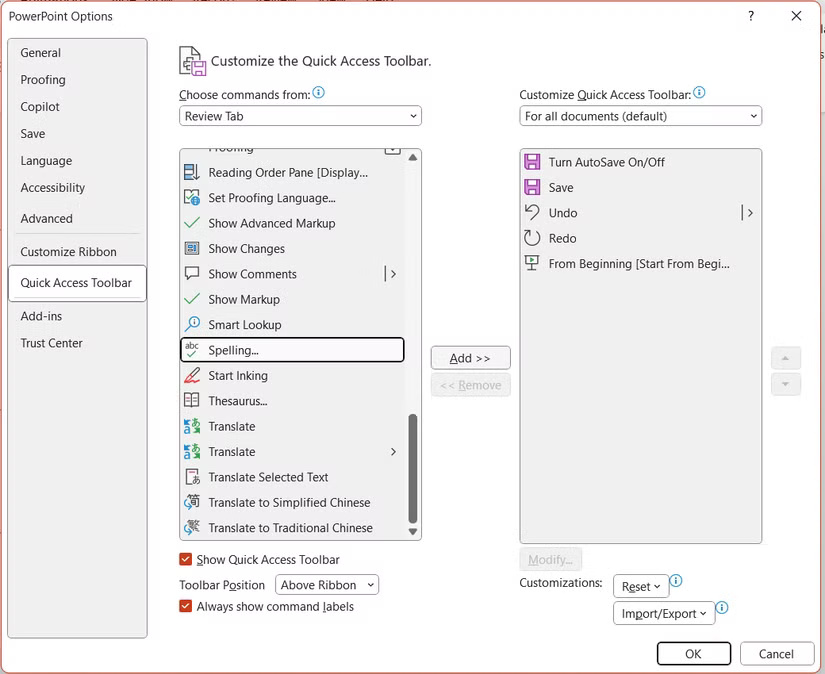
On Windows desktop, use File > Options > Quick Access Toolbar. Add commands you use repeatedly, such as Format Painter or New Slide. If a command is missing from the list, change the category under Choose commands from.
5. Try layout suggestions in Designer
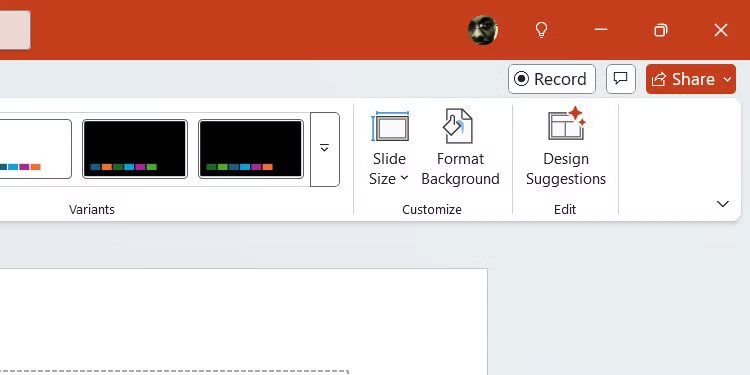
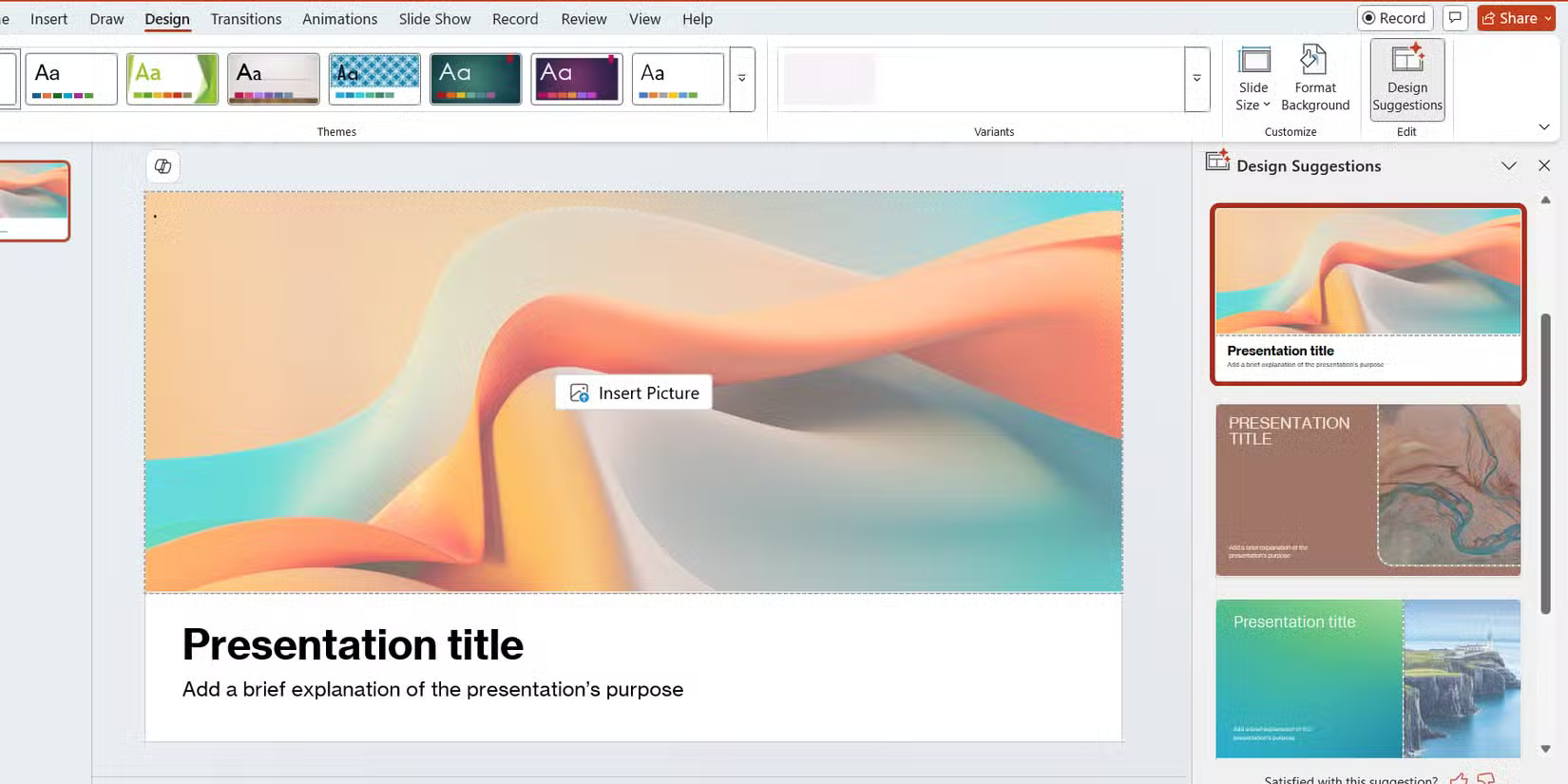
Open Designer or Design Suggestions if it appears in your version. Select an option in the pane to apply it. Use the suggestions as a starting point and check whether labels, captions and small text remain readable after the layout changes.
6. Generate temporary text to test a layout
In a text box or placeholder, type =lorem(2) on its own line and press Enter. On versions that support the command, it inserts two paragraphs of sample text. Replace that text before sharing the deck.
7. Trim audio inside PowerPoint
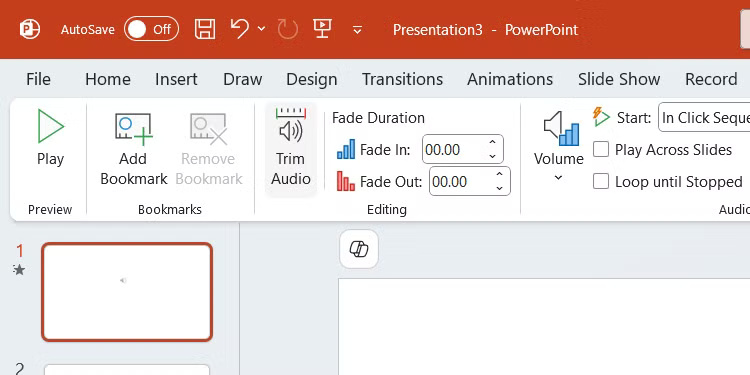
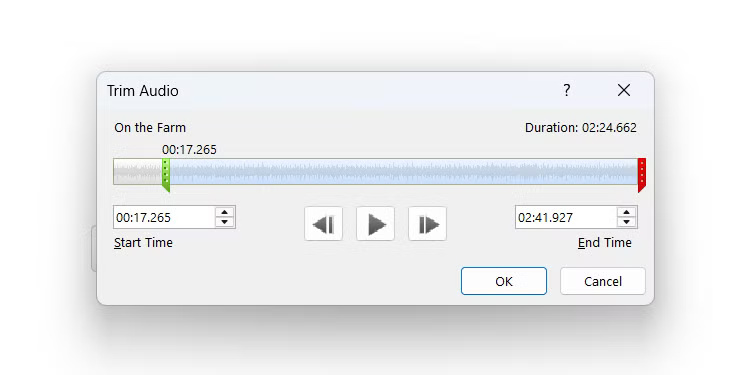
Select the audio object and choose Playback > Trim Audio. Adjust the start and end markers or enter the times. Preview the cut in the dialog, then play the slide in Slide Show view to verify its timing and playback behavior.
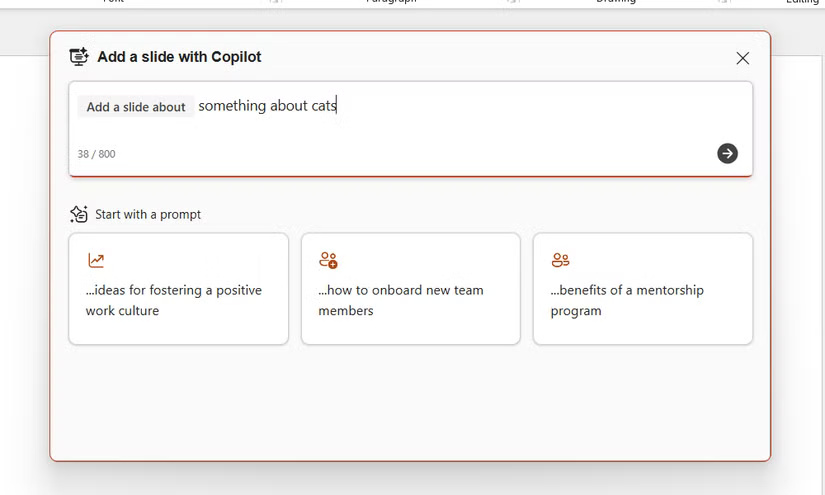
8. Draft a slide with Copilot
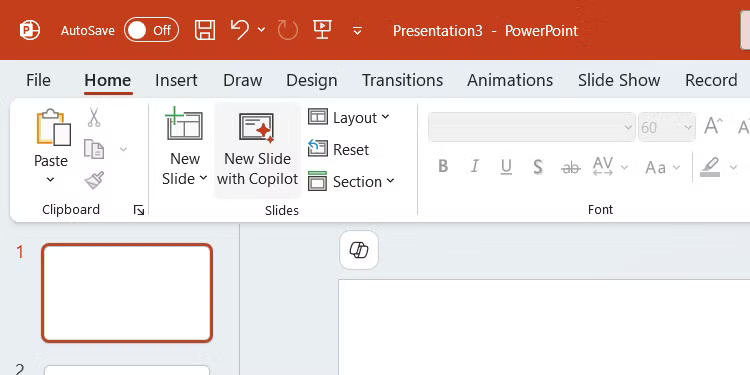
If your account has access to Copilot in PowerPoint, use Add a slide or New Slide with Copilot, depending on your interface. Describe the audience and the one point the slide needs to make. Check generated claims and citations against your source before sharing. See Microsoft’s Copilot instructions for the supported controls.
Related Articles
 4 AI Presentation Makers Compared: Plus AI, MagicSlides, SlidesAI, and Gamma
 Instructions to resize Slide pages in PowerPoint
 How to Manage Slide Views, Notes, and Sections in PowerPoint 2019
 How to add subtitles and live translations to make your PowerPoint presentations better
 Presenting slide shows in PowerPoint 2016
 How to create PowerPoint slide frames
Reader Comments 0
Sign in with email or Google to join the discussion.