Table of Contents
This practical guide walks through your computer is slow - cause and an effective, simple fix, explains the main requirements, and highlights common issues that may appear along the way.
1. Cause the computer is slow, hangs
- The hardware of the computer has a weak configuration.
- Your computer is infected with viruses and malware.
- Many programs run in the background when the computer is running.
- Your computer's Junk files are too many.
- Uninstall software that caused Registry errors.
- The hard drive of the machine is bad sector or fragmented.
2. Instructions on how to fix slow computer
Delete junk files
Step 1: Press the Windows + R key combination> Enter the command% temp%> Press Enter.
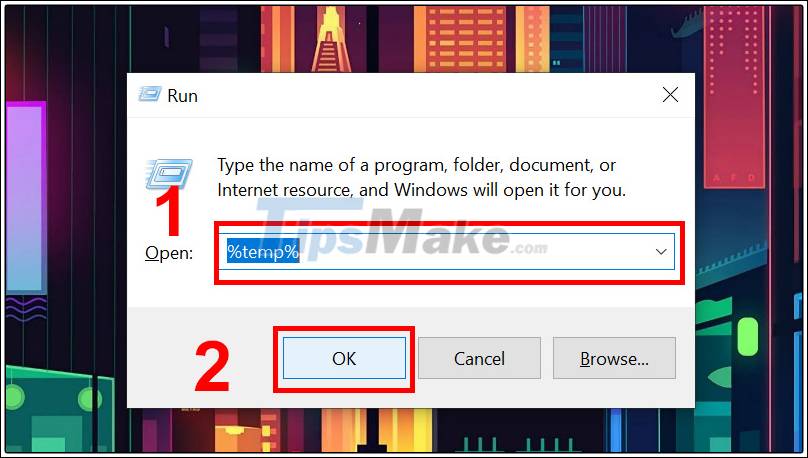
Step 2: Press Ctrl + A> Press Delete to delete or Shift + Delete to delete junk files.

Disable graphic effects, transparent icons
Step 1: Right-click on the screen, select Personalize.
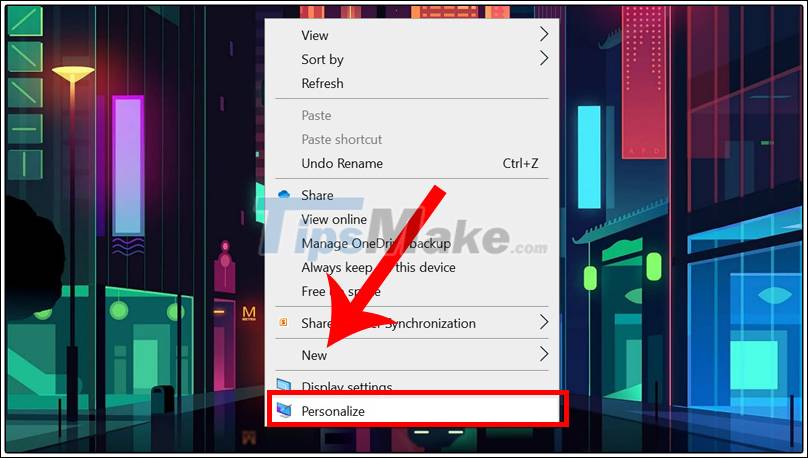
Step 2: In the Color> Turn off all the Transparency effects option.
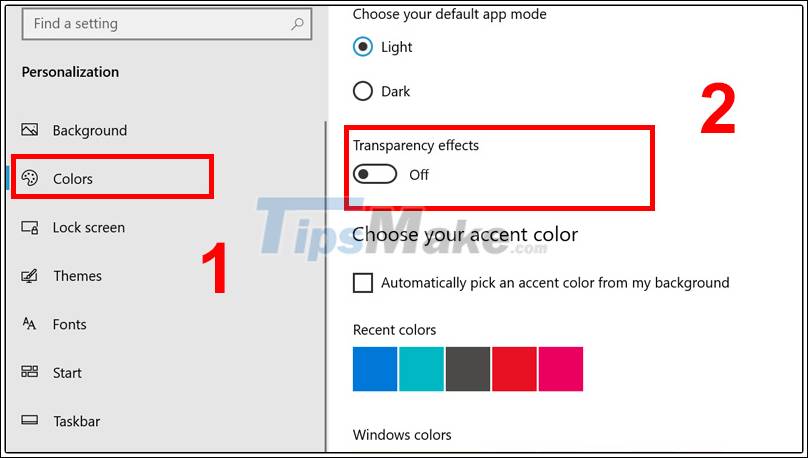
Uncheck the Start, taskbar, and action center and Title bars boxes.
Prioritize operating mode according to performance
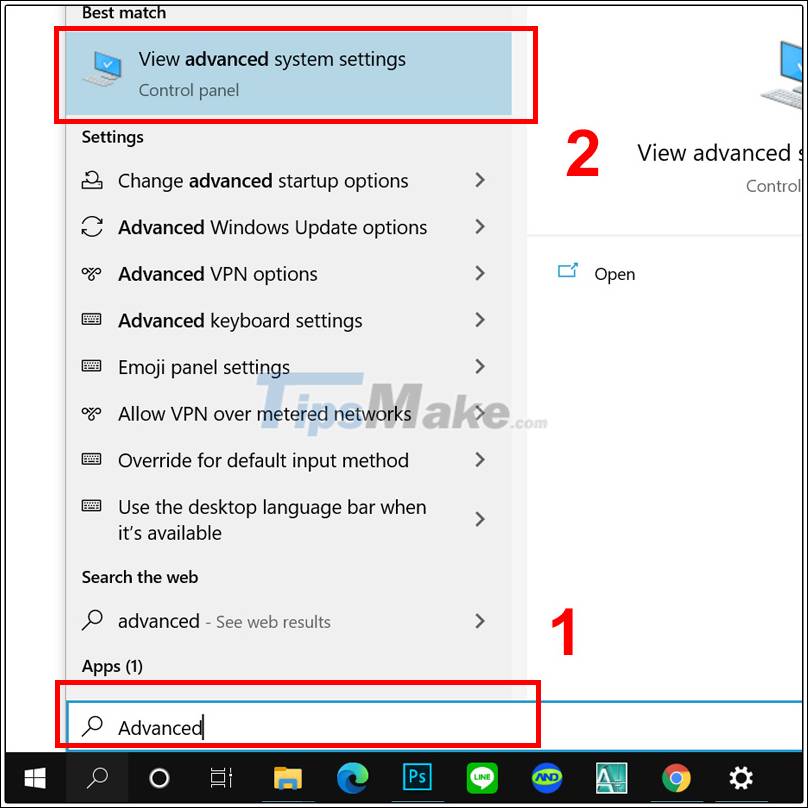
Step 1: Press the Search key and enter Advanced> Open Advanced system settings as shown below.
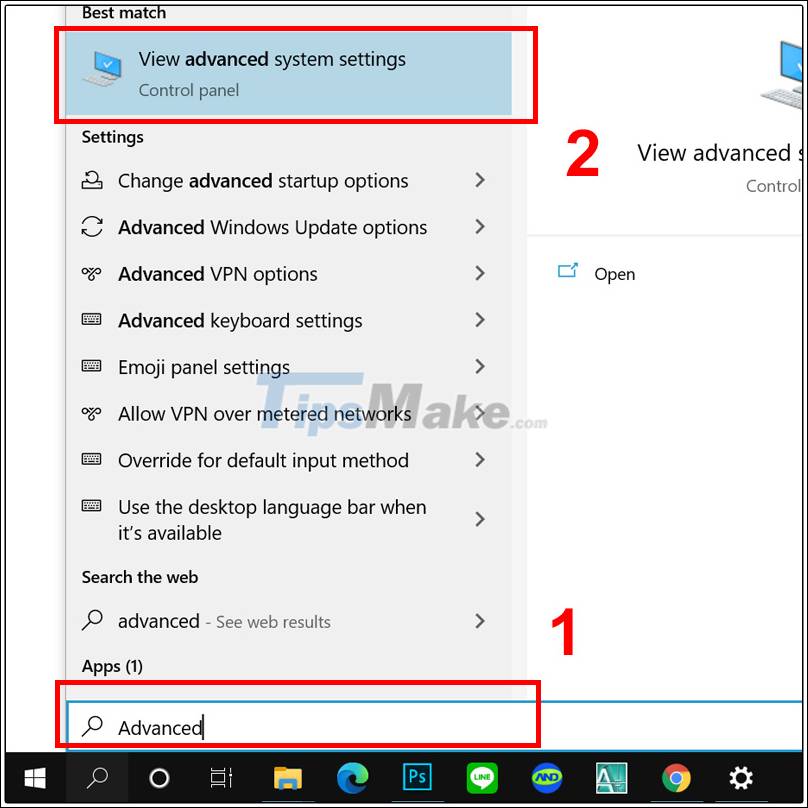
Step 2: Go to Performance> Select Setting.
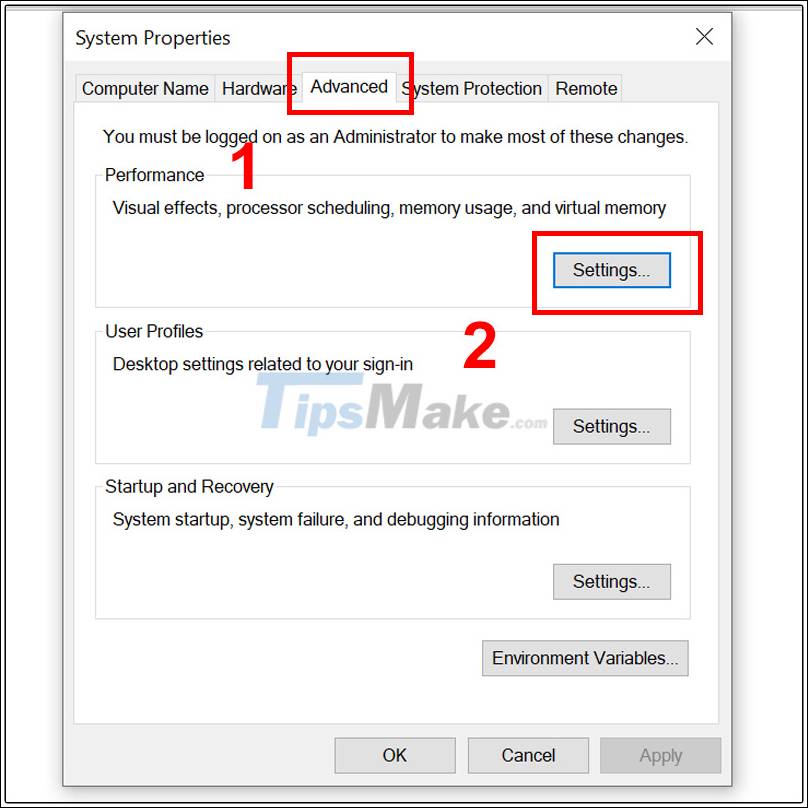
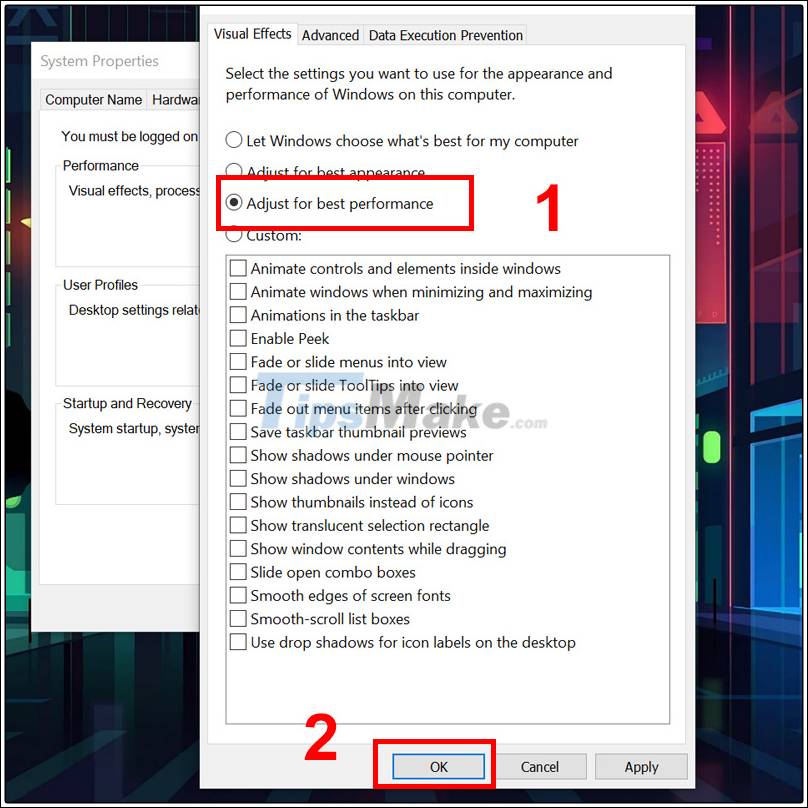
Step 3: Select Adjust for best performance> Click OK to finish.
Disable the System Restore function
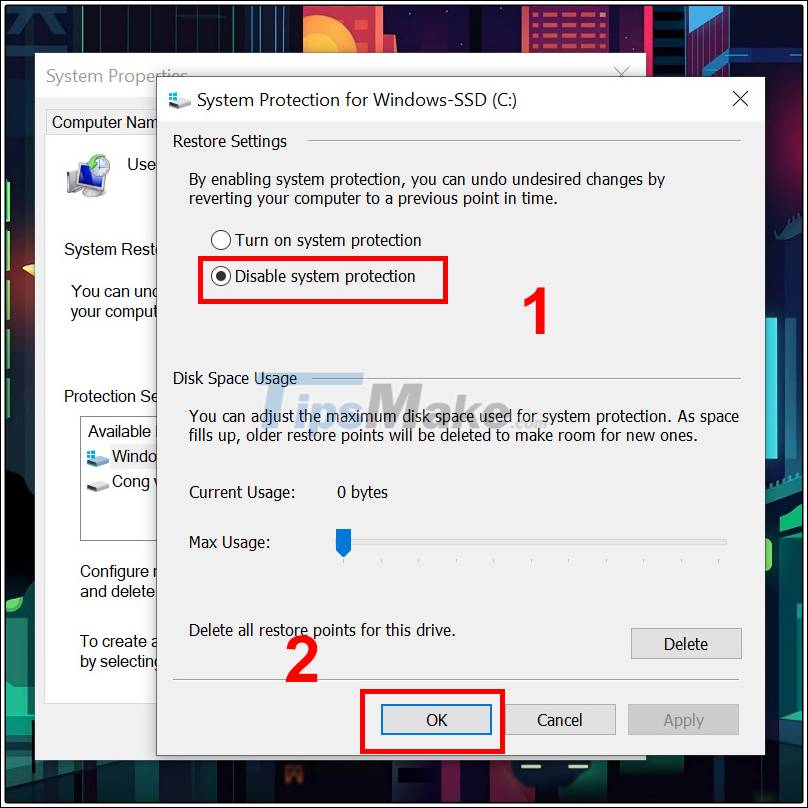
Step 1: Press the Search key and enter Advanced> Open Advanced system settings.
Step 2: Go to the System Protection Tab> Select Configure.
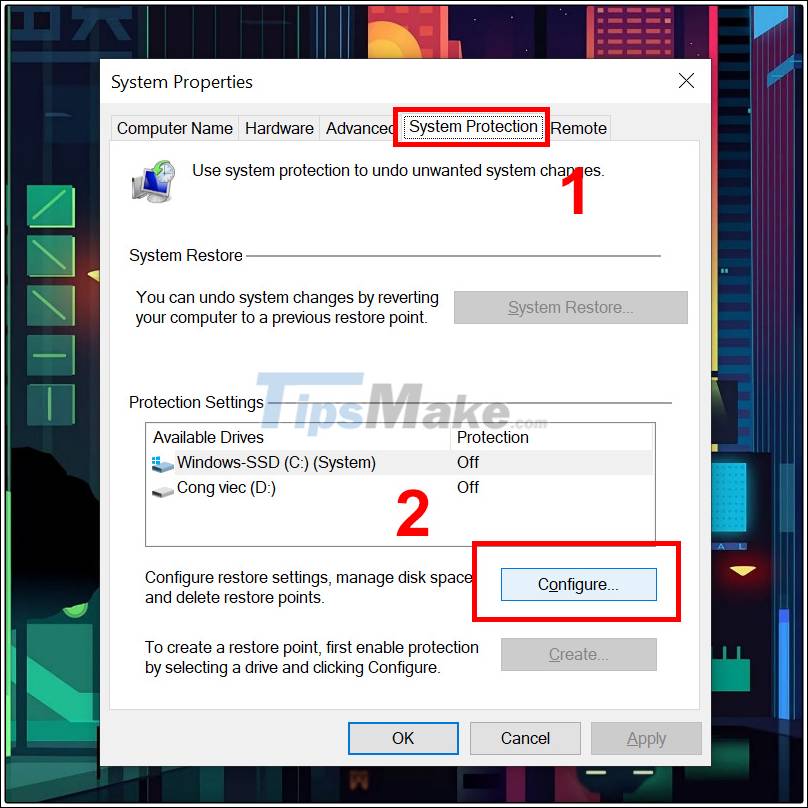
Step 3: Choose Disable system protection to turn off System Restore> Click OK.
Defragment your hard disk
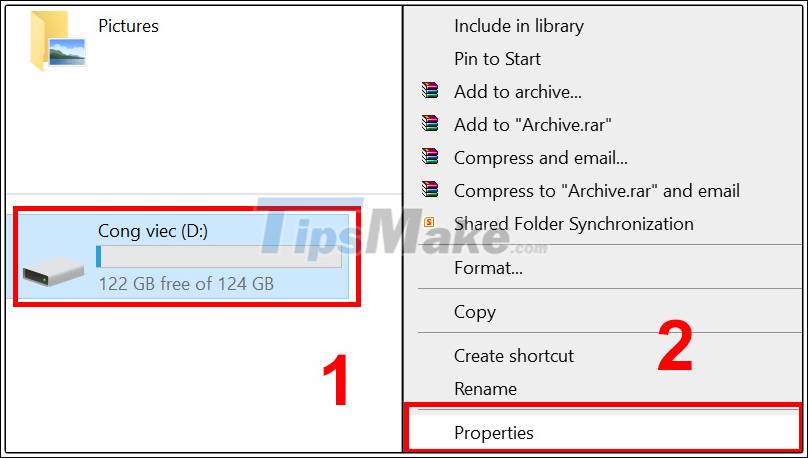
Step 1: Go to My computer / This PC, right-click on the drive to be defragmented> Select Properties.
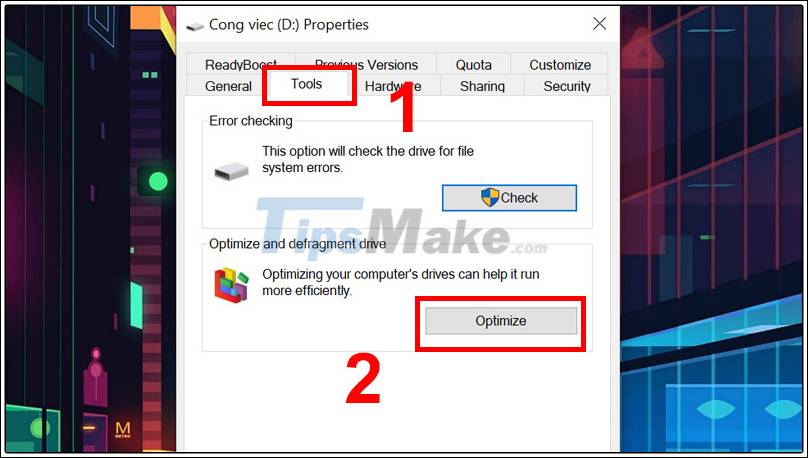
Step 2: On the Tools tab> Select Optimize.
Step 3: Click Analyze.
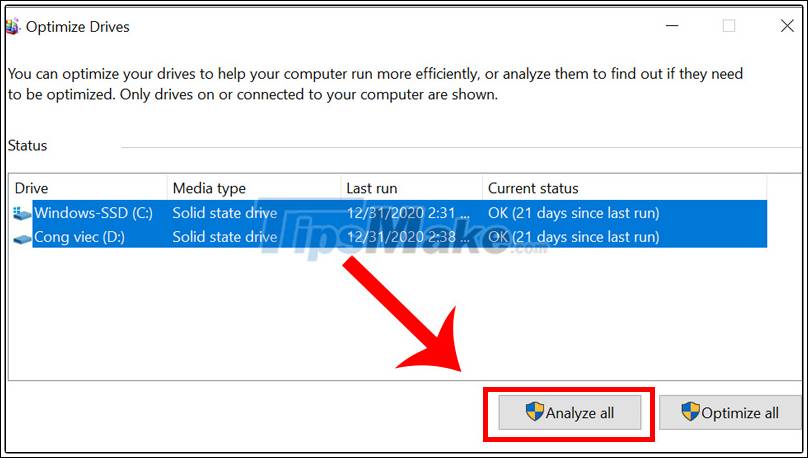
This process may take several minutes, depending on the number of fragments and the size of the drive.
Use Disk cleanup
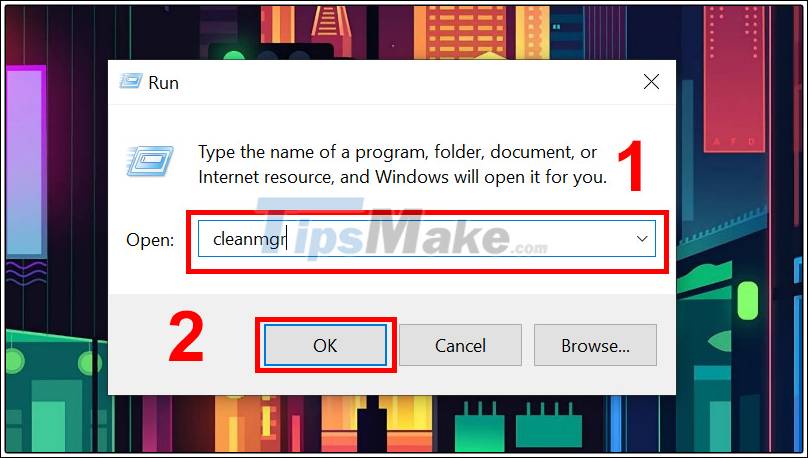
Step 1: Open the Run dialog box (Windows + R), enter the command cleanmgr> Click OK.
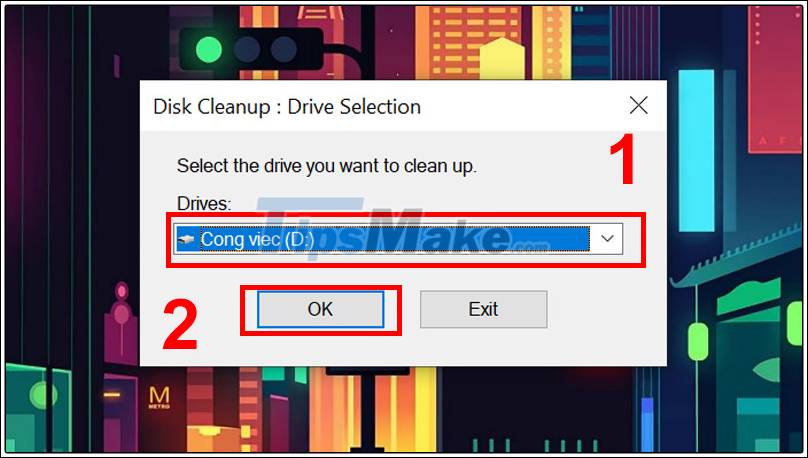
Step 2: Select the disk to clean and OK.
Remove unnecessary programs
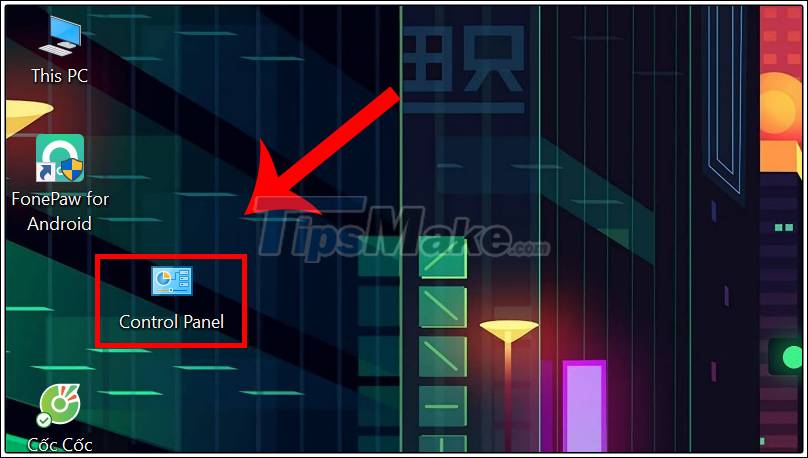
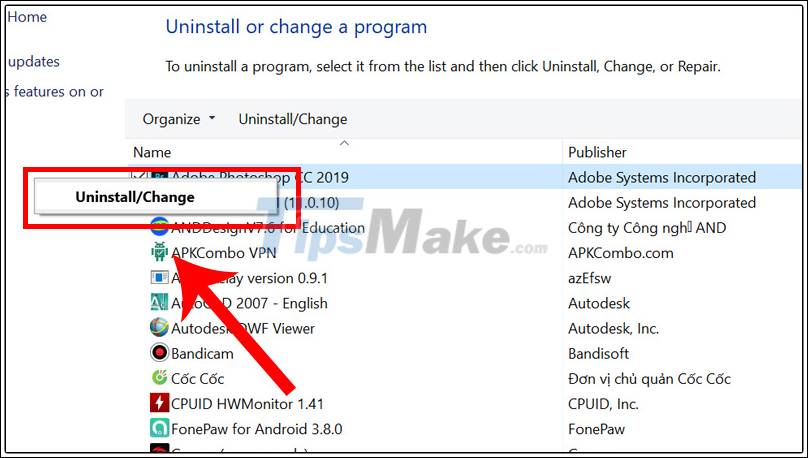
Step 1: Go to Control Panel.
Step 2: Go to Programs and Features.
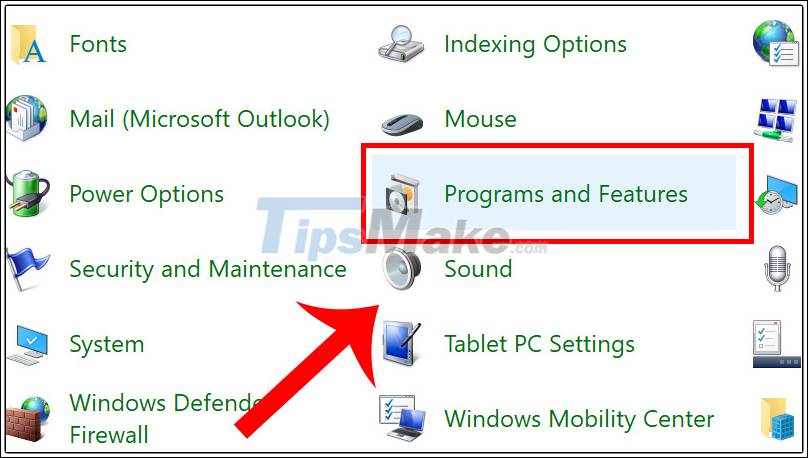
Step 3: Right-click and select Uninstall / Change to uninstall unnecessary programs.
Do not run too many applications, antivirus programs
Did you know that anti-virus applications and programs occupy a huge amount of resources on your system and this is also one of the reasons that make your computer slow down. Therefore, it is advisable to choose and use the most effective anti-virus software and application to ensure improved computer performance while freeing up more hard drive space.
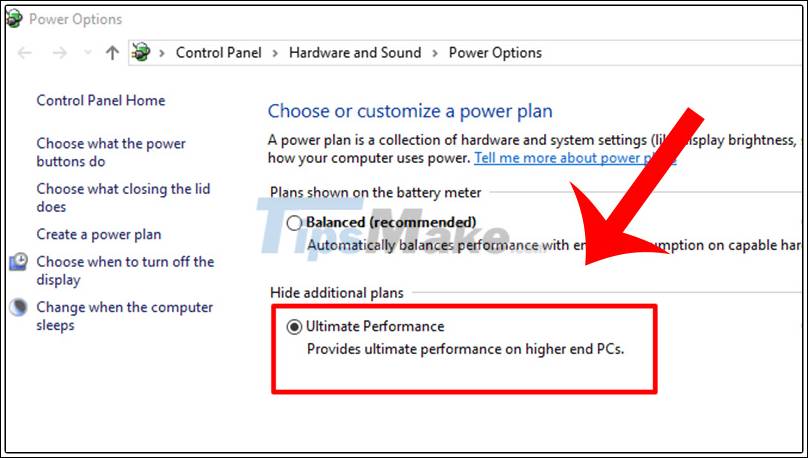
Change the Power scheme to High Performance
If you are using a laptop and you notice that your laptop is running quite slowly, then you can change the Power scheme to High Performance to improve the system speed.
Note: When in High Performance mode, the system will run at full capacity, and the speed will be fastest, but will also consume the most battery power.
To change the Power scheme, do the following:
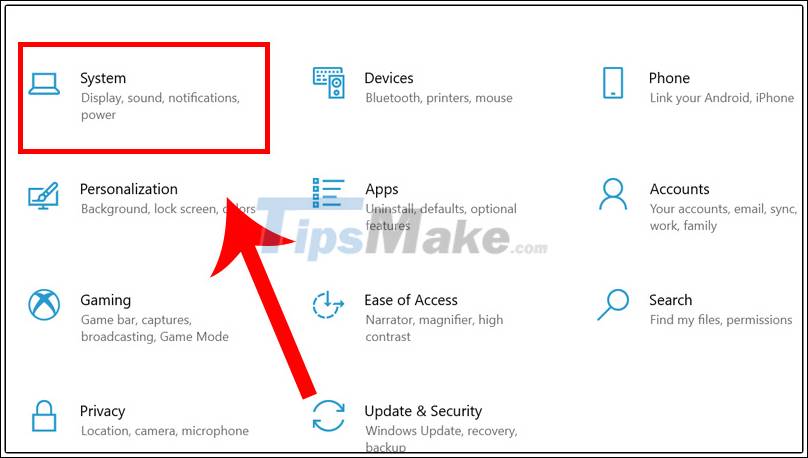
Step 1: Press the Windows + I key combination to open Windows Settings> Select System.
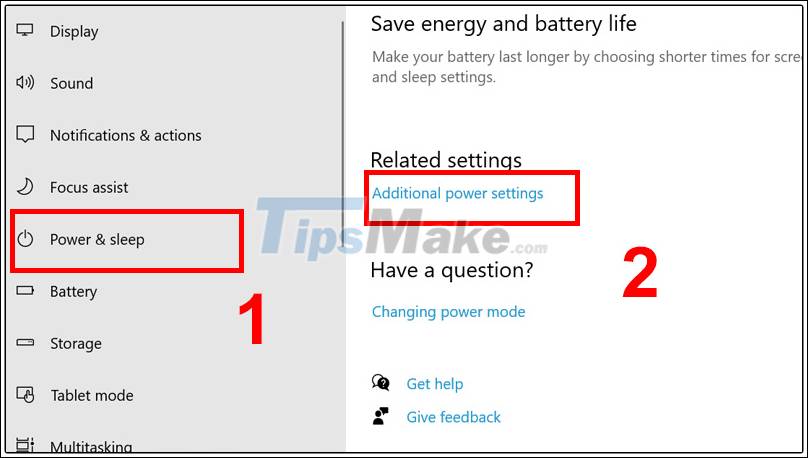
Step 2: Select Power & sleep> Select Addtional power settings.
Step 3: Now, check Ultimate Performance to activate the optimal mode of computer performance.
Don't let the computer "get too hot"
If your computer is "too hot" it will cause problems that you cannot anticipate. When the computer heats up, the processor will slow down and your computer's performance will slow down over time.
The best way to prevent your computer from overheating is to use a heatsink, heatsink fan.

RAM upgrade
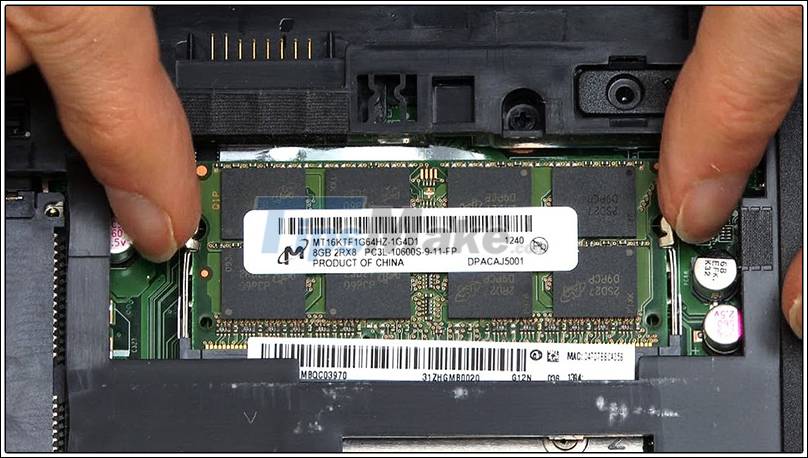
RAM is the place for all the files of the programs running on your computer. Accessing files from RAM is much faster than accessing the hard drive.
The more RAM capacity, even though there are many programs running on the system, does not affect the operating speed of the system. RAM upgrades aren't too expensive either, and it's also one of the best ways to speed up your "turtle-slow" computer.
Above is the cause as well as how to fix the slow computer, wish you success!
Key Takeaways
Use the information above as a practical reference for your computer is slow - cause and an effective, simple fix. Review each step carefully, confirm any requirements, and choose the option that best fits your situation.
FAQ
What does this guide explain about Your Computer Is Slow - Cause and an Effective, Simple Fix?
It explains the main concepts, practical considerations, and useful steps related to your computer is slow - cause and an effective, simple fix without requiring advanced knowledge.
Who can benefit from learning about Your Computer Is Slow - Cause and an Effective, Simple Fix?
This information is useful for readers who want a clear overview, practical guidance, and reliable steps related to your computer is slow - cause and an effective, simple fix.
What should I check before applying this information?
Review the requirements, confirm that your device, software, or situation matches the instructions, and back up important data before making major changes.
Related Articles
 Slow Laptop Computer So How to Fix It20 minutes read
 Computer Running Slow and How to Fix It19 minutes read
 Effective Tips to Fix Slowness Without Having to Reinstall Windows8 minutes read
 How to Speed Up Your Computer Using Ccleaner: Simple and Effective Methods4 minutes read
 Computer: 5 Simplest Ways to Fix Windows 10 Slow Startup Error7 minutes read
 Cause and How to Fix Slow Computer4 minutes read
Reader Comments 0
Sign in with email or Google to join the discussion.