Table of Contents
This guide provides a practical overview of Cause and How to Fix Slow Computer, including its main features, benefits, limitations, and important considerations.

1. The cause makes the computer run slowly
- During working, many junk files are generated
- Applications that constantly run in the background consume resources
- Hard drive is stored and deleted much, so it is not seamless and fragmented
- There are virus files that exploit machine resources
- Ads run in the background from manufacturers
- The application was removed is not clean, not rooted.
- Etc.
2. How to fix a slow computer
Clean up the computer drive
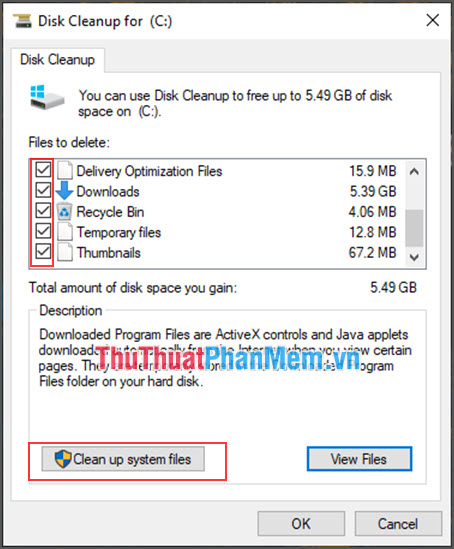
For this very simple way, you use utility software available on Windows to conduct disk cleanup.
Step 1: Click on the Windows window on the Taskbar and enter the keyword Disk Cleanup and launch the software.

Step 2: Check the box (V) on all the items and proceed to scan and clean (Clean up system files)
Defragment the hard drive (for HDD)
Step 1: Click on the Windows icon on the Taskbar and enter the keyword Defrag and start the software.
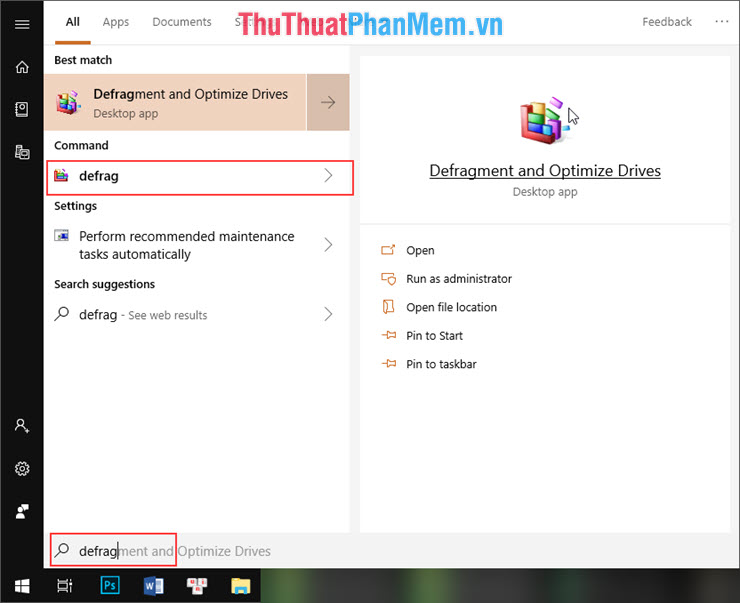
Step 2: Then you proceed to select the drives that need to be defragmented and proceed to select Analyze to conduct defragmentation.

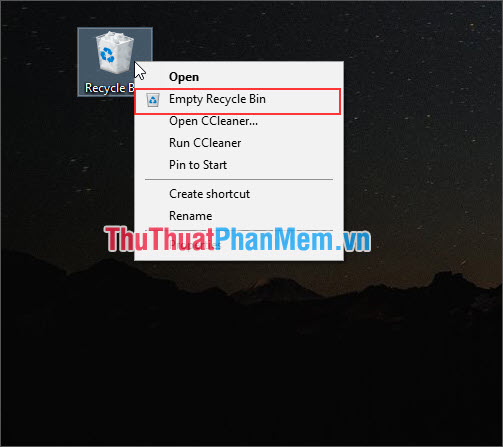
Remove the trash
The data after you delete it will not disappear immediately, it will be in the trash causing a lot of space and speed of the computer. So you need to have a regular cleaning schedule with your trash to get the capacity and speed.
Turn off applications that run in the background
During the installation and use of software, there will be many programs running in the background on your computer. You need to proceed to turn off the background running programs to save resources on the computer.
Step 1: Right-click on the Taskbar and select Task Manager

Step 2: Now you need to pay attention to what programs are not necessary for you to stop them. Each computer will have different applications running in the background.
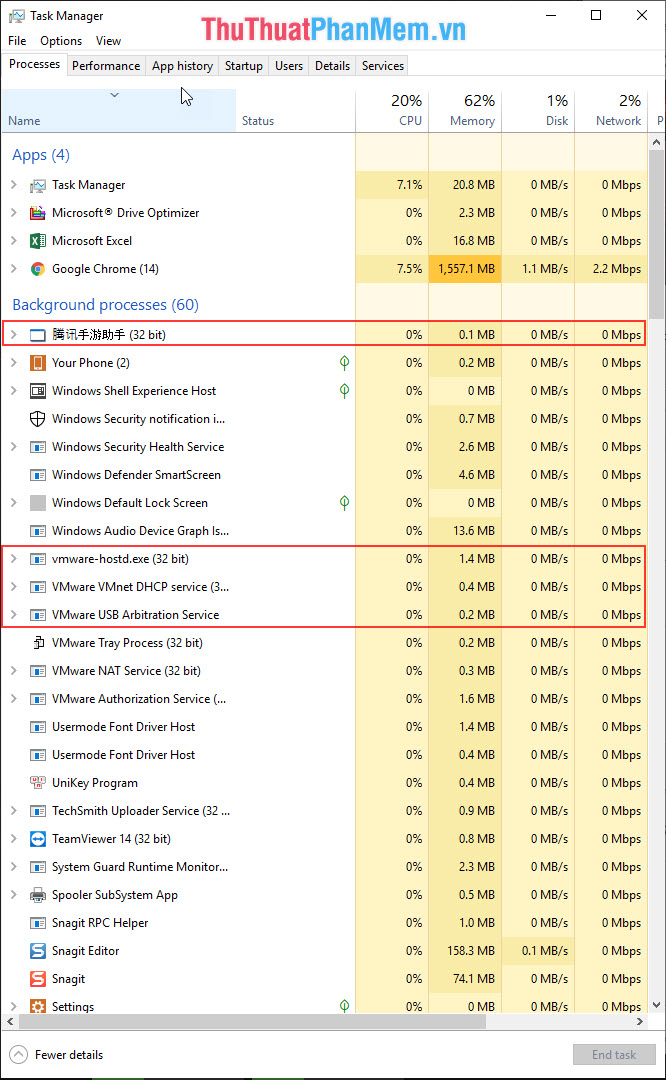
Step 3: After identifying, you right-click on the program and select EndTask

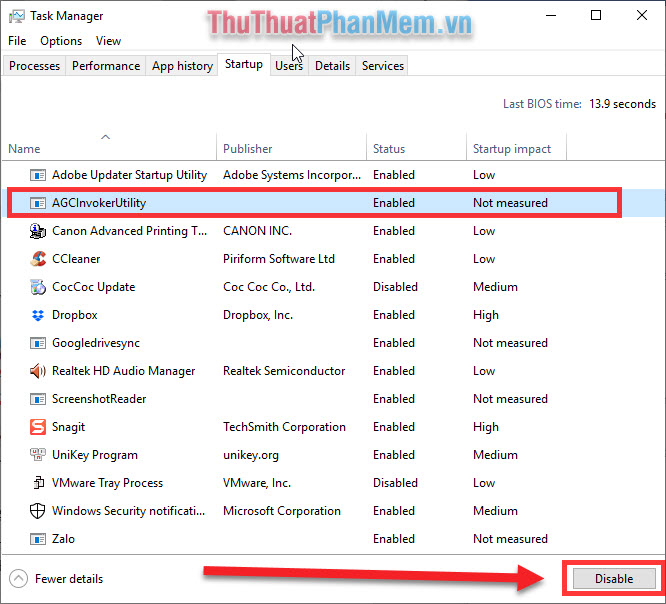
In this Task Manager, you continue to turn off unnecessary software to start with Windows.
You turn to the Startup section on the toolbar. Here, will display the startup software with Windows.

Then, you choose the unnecessary software to start with Windows and select Disable .
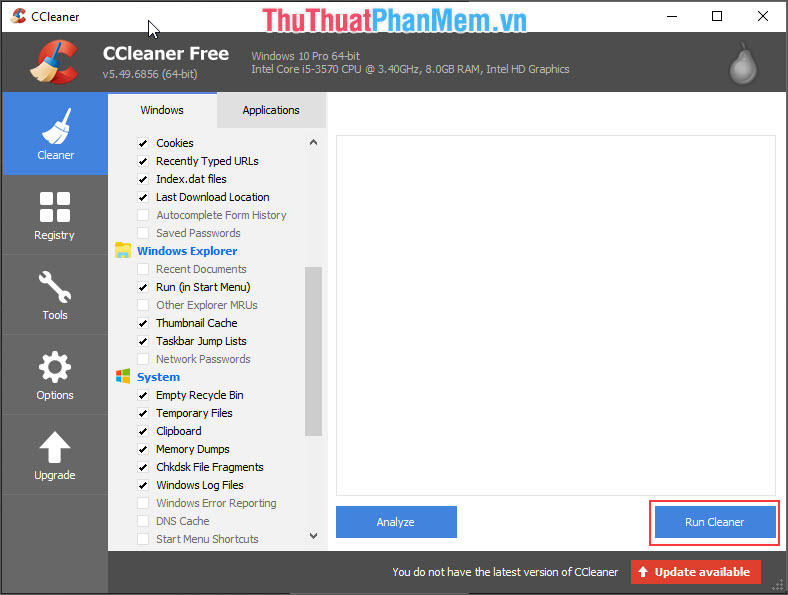
Use Ccleaner to clean
Ccleaner is a pretty good software utility with the ability to manage data and capacity for your computer. After clearing cache, data. in your computer you will see your computer speed up.
Thus, the Software Tips have introduced to you the causes of slow computers and how to fix them to make the computer run faster. Good luck!
FAQ
What should I know about Cause and How to Fix Slow Computer?
Focus on the key features, requirements, limitations, and practical use cases explained in this guide.
How do I get the best results with Cause and How to Fix Slow Computer?
Follow the recommended steps, use current software or information, confirm compatibility, and review settings before major changes.
Are there any risks or limitations?
Potential limitations depend on compatibility, data quality, cost, privacy, support, and how the product or method is used.
Related Articles
 Computer Running Slow and How to Fix It19 minutes read
 Your Computer Is Slow - Cause and an Effective, Simple Fix6 minutes read
 Fix Asus Laptop Running Slow in Windows 10/11: Key Facts10 minutes read
 6 Free Windows Tools to Find Out What's Slowing Down Your Computer7 minutes read
 Your Windows 10 Computer Is Slow to Connect to the Internet, This6 minutes read
 4 Ways to Fix Slow Computer8 minutes read
Reader Comments 0
Sign in with email or Google to join the discussion.