Table of Contents
Overview
This guide explains how to fix files not showing on a hard drive in clear, practical terms. It covers the key concepts, recommended steps, common limitations, and useful checks so you can make a better-informed decision.
Your computer is still working normally but suddenly your data files suddenly disappear from the hard drive without a trace. Stay calm, most likely your data files are just hidden. Let's solve this problem with this guide in This guide!
Reasons why files do not appear on hard drive
If you are sure that you did not move or delete those files but they still suddenly disappear from your hard drive, it is very likely that you have fallen into one of the following causes:
Hidden files: On Windows, important files are sometimes automatically hidden to avoid accidental deletion.
Virus infected files: When downloading files from the Internet, the computer is accidentally infected with trojans, malicious software that spreads viruses that encrypt files.
How to show hidden files on Windows
1. Show hidden files in File Explorer
Step 1: Open File Explorer by selecting This PC (on Windows 10) or clicking on the File Explorer icon on the Task bar (you can use the shortcut Windows + E )
Step 2: In the File Explorer window, select the View tab > select Option (or click the arrow under the Option box and select Change folder and search option)

Step 3: When the Folder options window appears, switch to the View tab, in the Hidden files and folders section, select Show hidden files, folders and drivers.

Step 4: Click Apply > select OK to confirm
2. Show hidden files on hard drive in CMD
In addition to the above method, you can also perform the operation of showing hidden files in the hard drive with the command in CMD. This operation is also quite simple, easy to perform but you will look more pro like a real hacker.
Step 1: Open the command window by typing cmd in the search box then press Enter
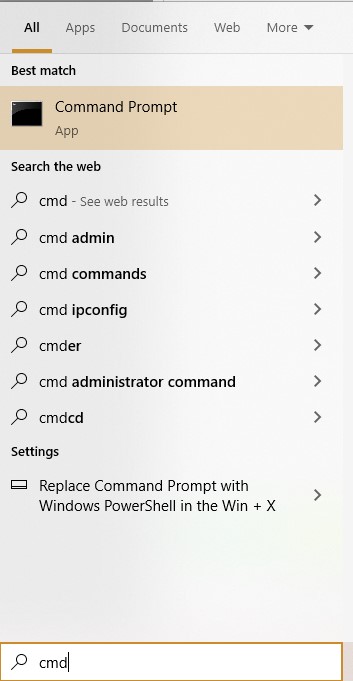
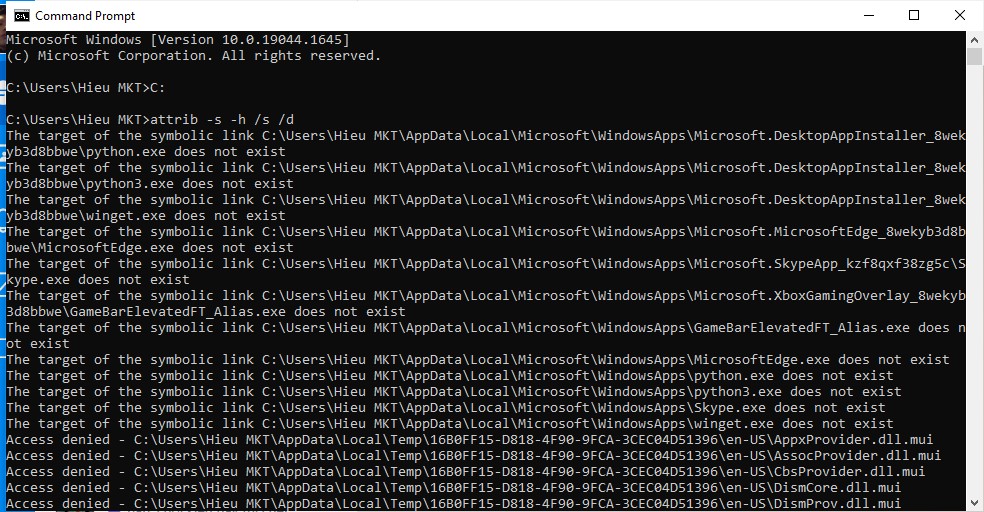
Step 2: Identify the hard drive containing the hidden file, for example, my drive is drive G, I will enter G: and press Enter (for drives with other characters, you enter the corresponding letter)
Step 3: Then type attrib -s -h /s /d and press Enter. Wait until the operations are completed and you can immediately display hidden files.
3. Show hidden files due to virus
Fixattrb software is a pretty good software to fix hidden files caused by viruses.
Step 1: Download FixAttrb tool to your computer
Download link: the referenced website
Step 2: Launch FixAttrb software immediately without installation
Step 3. By default, FixAttrb will scan drive C: containing the operating system. If you want to scan another folder, click Select folder => then select the location to scan and show hidden files => and click OK.
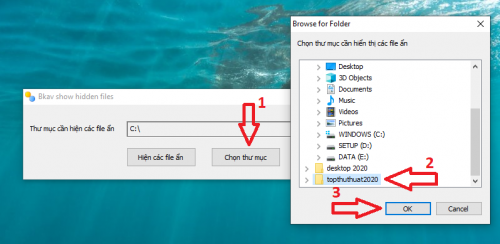
Step 4. After selecting the folder, click Show hidden files to start scanning and restoring hidden files.
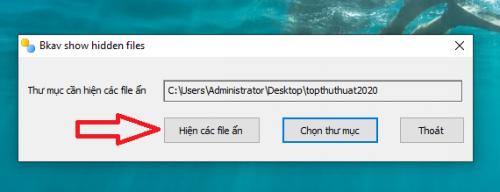
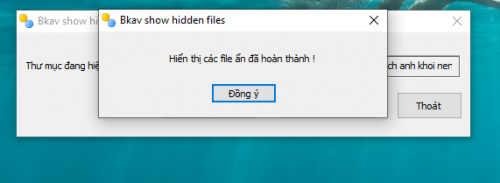
Then a message will appear showing hidden files completed.
Key Takeaways
Use the guidance above as a practical reference for files not showing on a hard drive. Check compatibility, follow the steps carefully, and verify important details with official documentation when software, security, accounts, health, or purchases are involved.
FAQ
How do I fix files not showing on a hard drive?
Follow the steps in this guide in order, confirm each setting before continuing, and save, restart, or reconnect the device when the instructions require it.
What should I check before I begin?
Confirm the correct device, account access, software version, compatibility, and a current backup whenever the process could affect files, settings, or security.
What should I do if the process does not work?
Repeat the steps carefully, check for model or version differences, install available updates, and consult the manufacturer's official support documentation.
Related Articles
 Know About Bad Sectors on Your Hard Drive8 minutes read
 How to Fix Hard Drive Error Still Spinning but Not Receiving6 minutes read
 Find Out Why Your Hard Drive Is Showing the Wrong Capacity: What You Need to Know7 minutes read
 How to Fix an External Hard Drive Error Is Not Displayed on the Mac9 minutes read
 How to Regain Access to the Hard Drive, Fix Errors That Cannot Open the Hard Drive?5 minutes read
 Hard Drive Hdd: Learn About Hdd Hard Drive8 minutes read
Reader Comments 0
Sign in with email or Google to join the discussion.