Table of Contents
Overview
This guide covers 3 ways to show hidden files in USB in clear, practical terms. It covers the key concepts, recommended steps, common limitations, and useful checks so you can make a better-informed decision.
When using USB to copy data from one computer to another, it is normal for the USB to be attacked by viruses, which happens very often. And once the virus has attacked the USB drive, it can 'eat' or hide any data on your USB drive. So how to show hidden files and folders on the USB drive, please refer to This guide of Network Administrator.
How to show hidden files in USB
Attention:
Before following the instructions below, you should make sure that your computer is virus-free. You can scan for viruses with anti-virus software such as Bkav, Kaspersky, CMC. before performing hidden file recovery. If the virus is still in your computer, you may not be able to follow the instructions below.
Using Command Prompt
To show hidden files in USB using cmd, follow these steps:
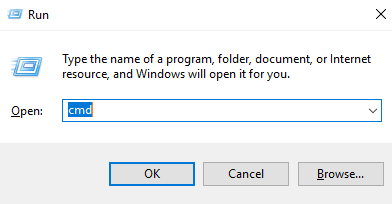
Step 1: open the run dialog box with the key combination ctrl + r then enter cmd to open command prompt
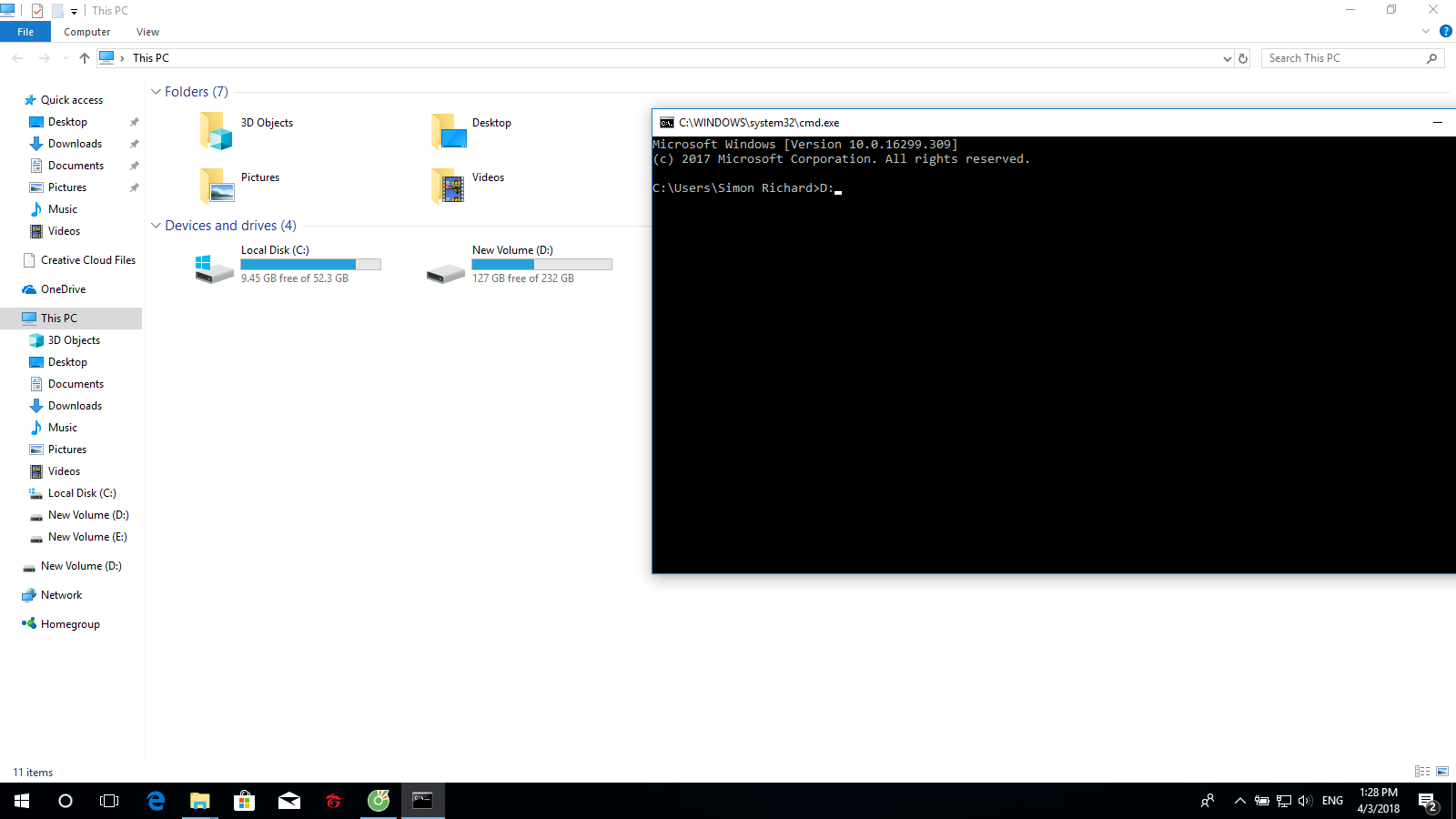
Step 2: move cmd to your usb folder by command 'drive name:' for example below because user's usb drive is drive D so the command will be D:
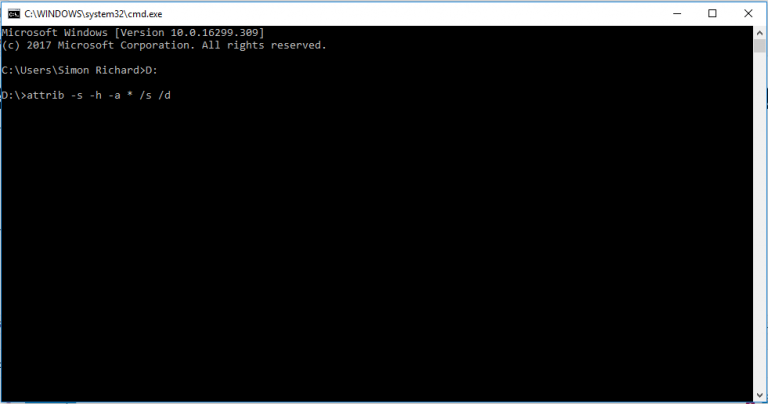
Step 3: We type the command 'attrib -s -h -a * /s /d' in it
- -s to remove locked system attributes;
- -h is to remove locked hidden attributes;
- /s, /d has the function of changing attributes for all files and folders in the USB drive.
Step 4: Open the USB to check if your files have appeared yet.
Using the software
In addition to using the above command, we can also use software to show hidden files.
FixAttrb Bkav
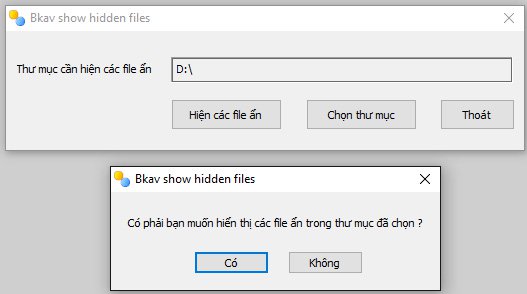
This is a software of bkav used to show hidden files very well. The software will change the properties then restore all the data.
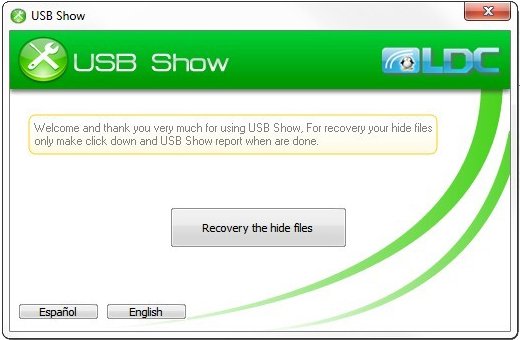
USB Show
Just like Fixattrb of bkav USB show is also a software used to show hidden files due to USB errors, virus attacks or other files.
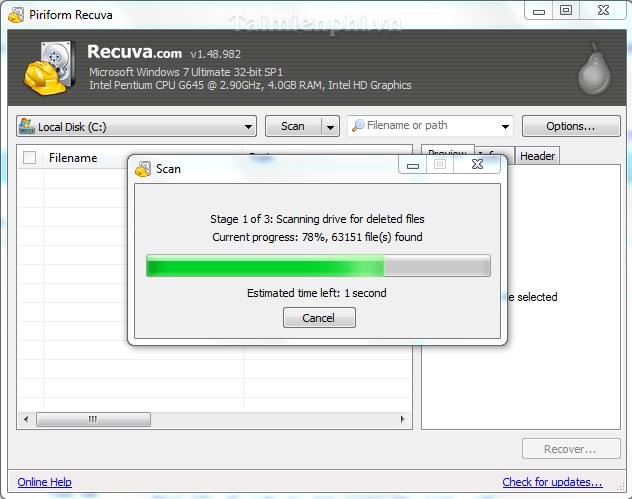
Recuva
Recuva is a professional data recovery software that can restore your files that have been hidden by viruses. In addition, files you have deleted can also be restored with recuva.
Show hidden files using File Explorer Option
Step 1: Plug the USB pendrive into your computer and wait for a few seconds until the USB pendrive appears on your computer screen.
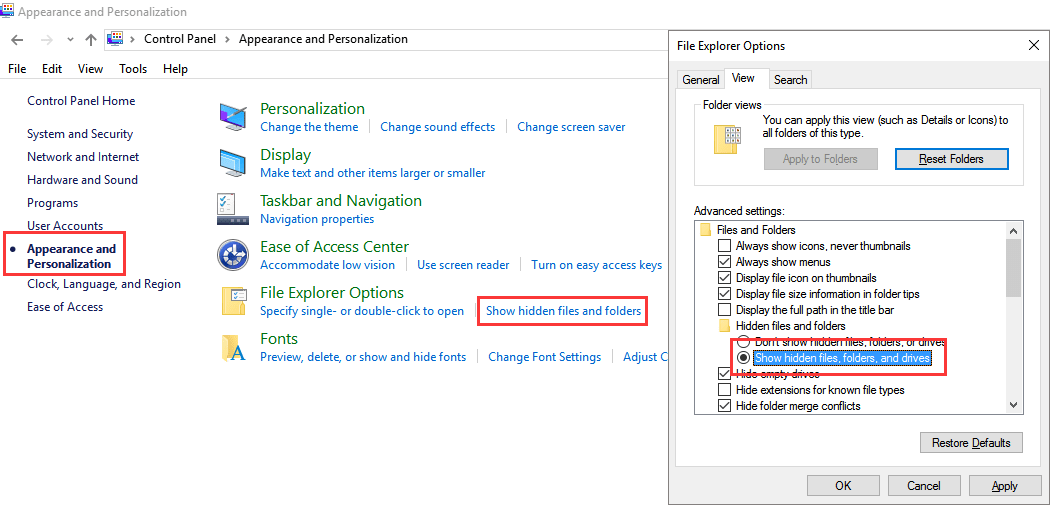
Step 2: Go to Control Panel on your computer, switch the view to Category and select Appearance and personalization.
Note: This method applies to Windows 10/8/8.1/7 operating systems.
Step 3: In this interface, find and click Show hidden files and folders in File Explorer Options.
Step 4: In the File Explorer Options window that appears, navigate to the View tab, scroll down to the Hidden files and folders section and click on the Show hidden files, folders, and drives option.
Step 5: Click Apply and then click OK. Now you can see the hidden files and folders on your USB pendrive.
How to show hidden files in USB in File Explorer
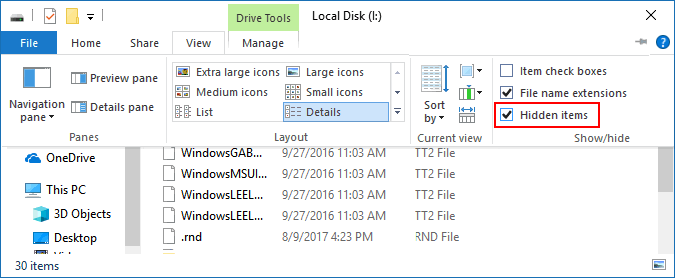
First, you plug the USB pendrive into your computer and wait for a few seconds until the USB drive appears on your computer screen.
Next, open the USB folder as File Explorer, navigate the menu bar to the View tab, check Hidden items to display hidden files and folders on the USB.
Key Takeaways
Use the guidance above as a practical reference for 3 ways to show hidden files in USB. Check compatibility, follow the steps carefully, and verify important details with official documentation when software, security, accounts, health, or purchases are involved.
FAQ
What is the main point of this article?
This article explains 3 ways to show hidden files in USB 100% successful, including the central facts, context, practical implications, and details needed to understand the topic.
Why does this topic matter?
It may affect performance, cost, safety, convenience, purchasing decisions, or how people understand a broader development.
Could the information change over time?
Yes. Product details, software features, prices, policies, codes, and news developments can change, so verify time-sensitive information with official sources.
Related Articles
 How to Show Hidden Files and Folders on Windows 10/8/74 minutes read
 How to Show Hidden Files on Windows 11: Practical Guide6 minutes read
 How to Show or Hide Files in Windows 73 minutes read
 How to Show Hidden Files in USB3 minutes read
 Download Fixattrb - Restore, Show Hidden Files Due to Virus2 minutes read
 Top Software to Show Hidden Files in USB You Should Not Miss9 minutes read
Reader Comments 0
Sign in with email or Google to join the discussion.