Table of Contents
An internal sound card can add audio connections or features to a desktop PC, but it must match the computer’s expansion slot and operating system. Most current add-in cards use PCI Express (PCIe); older PCI cards do not fit PCIe slots. For a laptop, a compatible USB audio adapter is usually the practical alternative.
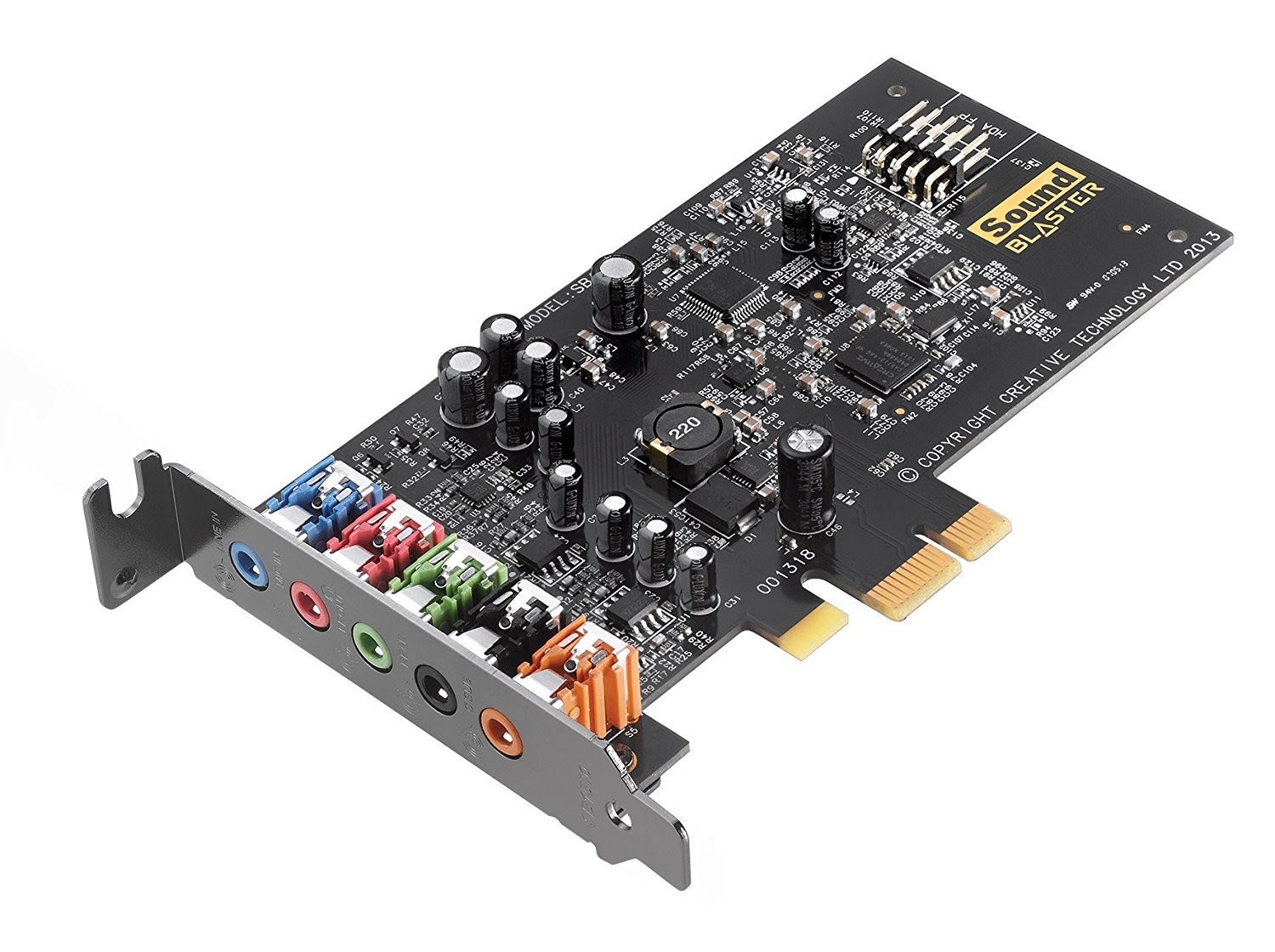
Check compatibility before opening the PC
Read the computer or motherboard manual and the sound card’s specifications. Confirm the available PCIe slot, case clearance, operating-system support, and whether the card needs a separate power connection. Audio ports and their colors vary by model, so use the labels and manual to identify speaker, line-in, and microphone jacks.
Install the sound card
- Shut down Windows, switch off the power supply, unplug the computer, and disconnect peripherals.
- Follow the computer maker’s service guidance and electrostatic-discharge precautions before opening the case.
- Locate a compatible PCIe slot. Remove its case slot cover, align the card with the slot, and press it evenly into place without forcing it.
- Secure the card with the case screw. Connect any required power cable, then close the case before reconnecting power.
If the card does not seat easily, stop and check the slot type, alignment, and instructions. Do not force a PCI card into a PCIe slot or vice versa.
Install the driver and select the card in Windows
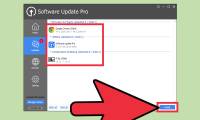
Start the PC and install the driver from Windows Update or the sound-card manufacturer’s official support page for the exact model. Then open Settings > System > Sound and choose the sound card as the output or input device. Connect speakers or a headset to the port identified in the card’s manual.
If there is no sound
Check that the speakers are powered on, the cable is connected to the sound card rather than a different output, and Windows is not muted. Confirm that the correct output device is selected. Test another app or headset, then consult the card maker’s troubleshooting instructions. Avoid deleting existing audio drivers or changing BIOS settings unless the manufacturer directs you to.
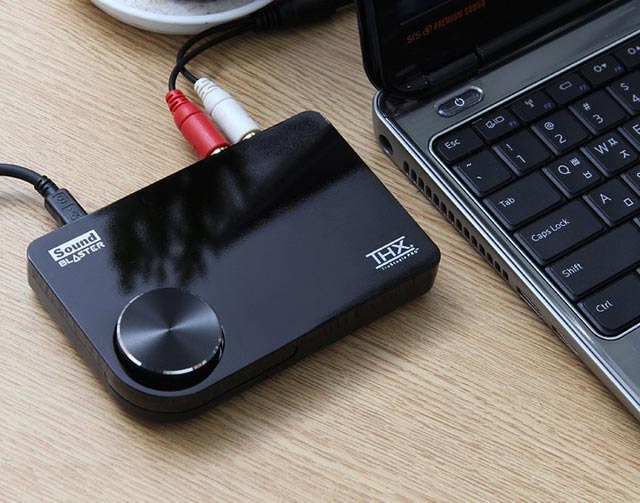
If the card is not detected, shut down and unplug the computer before checking its seating. If you are not comfortable working inside a PC, have a technician install it.
Related Articles
 Instructions to fix the error of the computer not recognizing the separate sound card
 4 reasons to buy a separate DAC instead of a sound card
 How to install a sound card on a computer
 How to check if your computer has a sound card?
 How to Update Sound Drivers
 What is a discrete sound card for? Top good sound cards
Reader Comments 0
Sign in with email or Google to join the discussion.