Table of Contents
Windows 11 Safe Mode starts Windows with a limited set of drivers and services, which can help troubleshoot startup or software problems. From Settings, use Advanced startup to open the recovery menu, then select Startup Settings and restart. Save your work first; if device encryption is enabled, have your recovery key available.
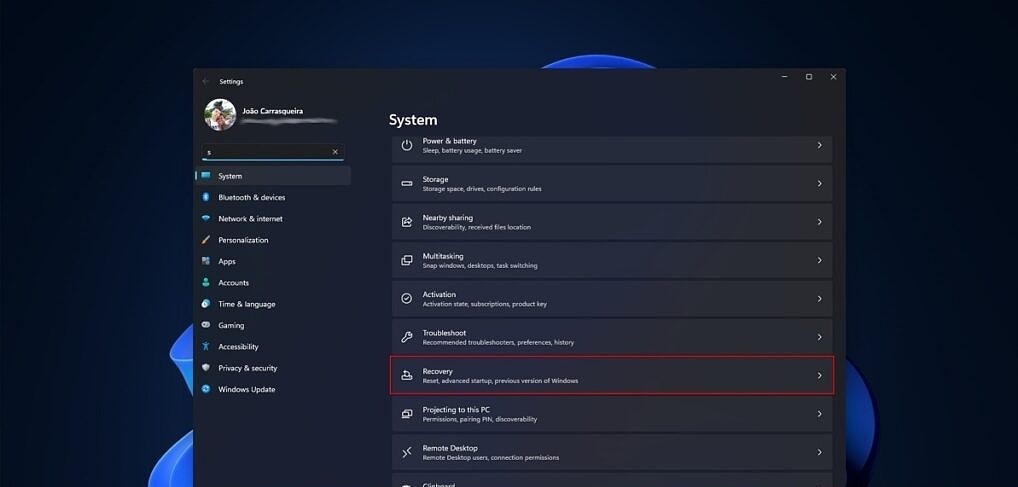
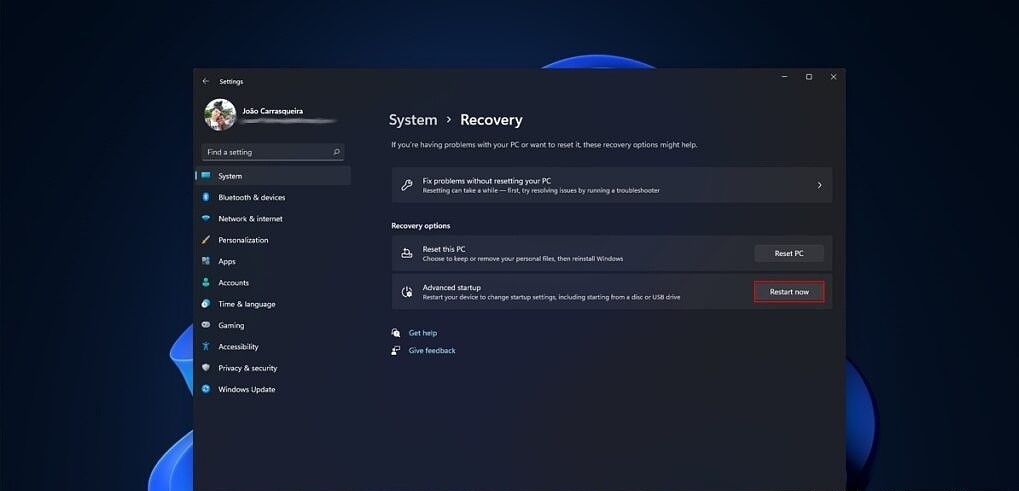
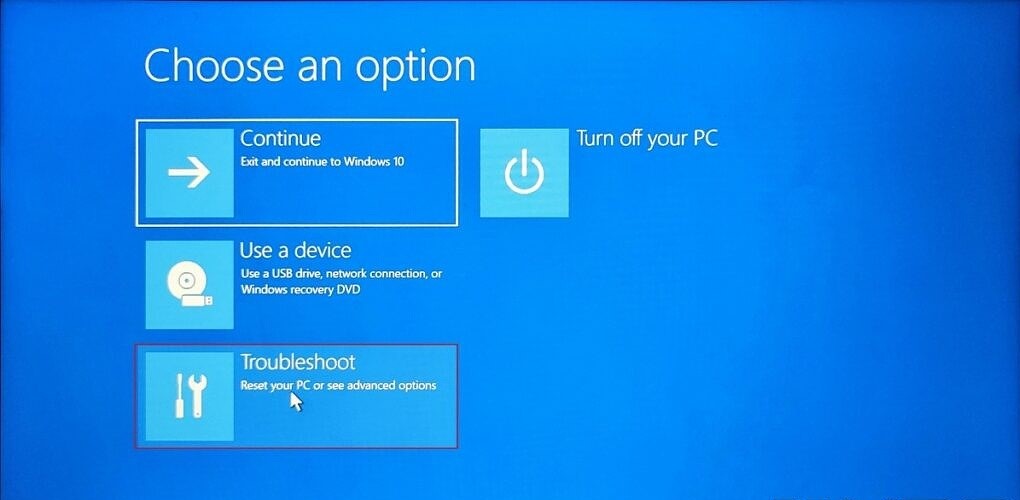

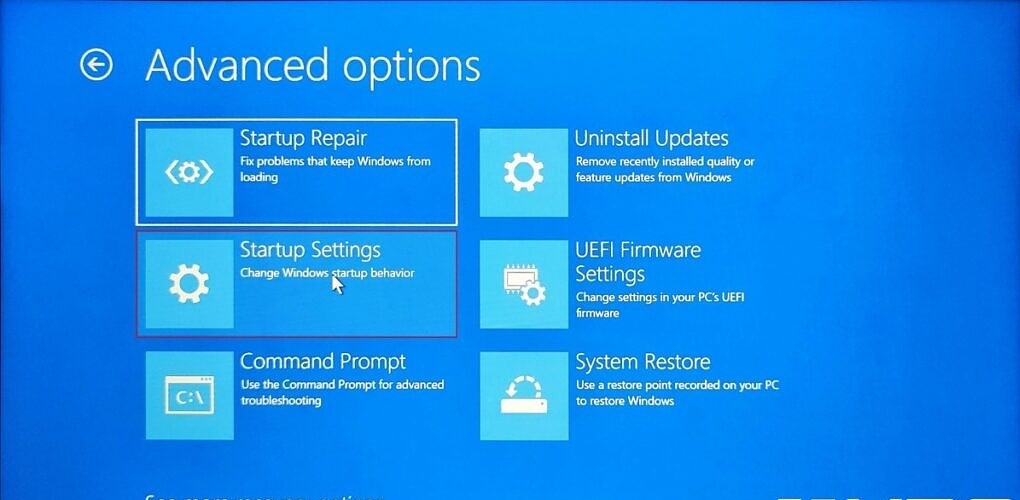


Start Safe Mode from Settings
- Open Settings > System > Recovery.
- Beside Advanced startup, choose Restart now. You can also hold Shift while selecting Restart from the Start menu or sign-in screen.
- In the recovery menu, choose Troubleshoot > Advanced options > Startup Settings > Restart. The menu labels can vary slightly by Windows version.
- After the restart, press 4 or F4 for Safe Mode, 5 or F5 for Safe Mode with Networking, or 6 or F6 for Safe Mode with Command Prompt.
Networking loads additional network drivers; use it only if you need network access for troubleshooting. If Windows cannot start normally, Windows Recovery may open automatically after repeated failed starts; you can also use Windows installation or recovery media to reach repair options.
Return to normal startup
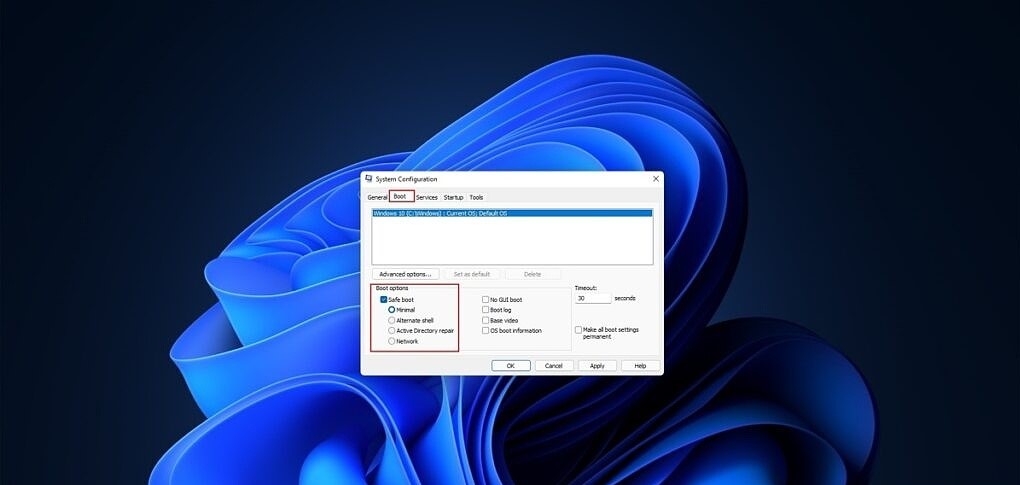
Safe Mode normally applies to the current troubleshooting startup. Restart the PC to return to regular Windows. Avoid checking Safe boot in System Configuration unless you know how to undo it; that setting can make the computer boot into Safe Mode repeatedly and complicate recovery.
If Safe Mode does not appear
Check that you selected Startup Settings and then restarted, rather than choosing a different recovery tool. If asked for a BitLocker recovery key, retrieve it from the account or organization that manages the device. If the PC still cannot start, use Windows Startup Repair or seek help before resetting or reinstalling Windows, which can affect files and apps.






Reader Comments 0
Sign in with email or Google to join the discussion.