Table of Contents
Data transfer is the movement of information between devices or systems. In a hosting plan, data transfer usually means how much data moves during a billing period, while bandwidth often describes the rate at which the connection can carry it. A 1 TB monthly allowance and a 100 Mbps connection measure different things.

How a network transfer works
A client might request a file over HTTPS. Network protocols break the information into smaller units and carry it across links such as Ethernet, Wi-Fi, or fiber. The receiving system reconstructs the information and passes it to the app. Transfer speed can depend on both endpoints, the network path, overhead, and bottlenecks along the way.
Manual, batch, and event-driven transfers
For a one-time move, export a file such as CSV and verify the destination can read it. For recurring transfers, use scheduled jobs or work triggered by events. A process that moves records on demand can still be asynchronous. If the formats differ, an extract, transform, and load workflow can validate or reshape records before writing them. Plan what happens if a job stops halfway or sends the same record twice.
Estimate a hosting plan’s transfer needs
If an uncached page load sends about 2 MB and you expect 50,000 loads, that is about 100 GB of outbound page data, before other downloads, APIs, or traffic. Measure real payload sizes and check whether the plan counts inbound traffic, outbound traffic, CDN traffic, or backups. For transfer rates, see how to compare Mbps and MB/s.

What “unlimited” or “unmetered” may mean
A plan with no stated per-GB cap can still have a speed limit, fair-use rules, or restrictions on large downloads. Read the terms for throttling, overages, and how the provider measures traffic. If you serve many regions, compare expected latency and CDN costs separately from the monthly allowance. See how hosting plans describe their bandwidth allowances.
Related Articles
 7 ways to transfer data between 2 computers
 How to transfer data from old iPhone to new iPhone (iPhone X, iPhone 8, iPhone 7)
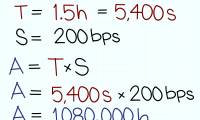 How to Calculate Data Transfer Speed
 How to transfer data from old iPhone to new iPhone with AnyTrans
 How to transfer data from iPhone to Android?
 Ways to transfer data between phone and computer without connecting cable
Reader Comments 0
Sign in with email or Google to join the discussion.