Table of Contents
Understanding unlock the Android device screen by tapping the screen twice is easier when the main points are organized clearly. This guide brings together the essential details and practical considerations.
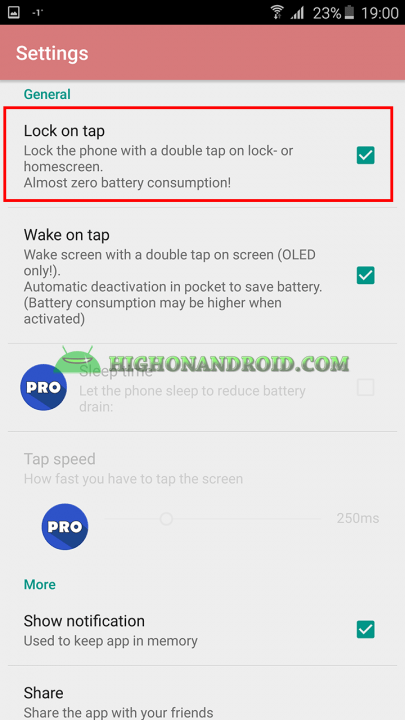
In addition, we can unlock the Android device screen by pressing twice on the device screen. This feature is available on all Andorid devices, except for some devices like HTC One M9 Plus, Xperia Z5, Xperia Z4, and LG G4.
However you also don't have to worry too, you can add this great feature on your Android device using KnockOn.
To unlock the Android device screen by tapping the screen twice, follow the steps below:
Step 1
Download the KnockOn app on Google Play Store to your Android device and install.
Download KnockOn to your device and install it here.
Step 2
After you have successfully installed, then open the KnockOn app on your Android device.
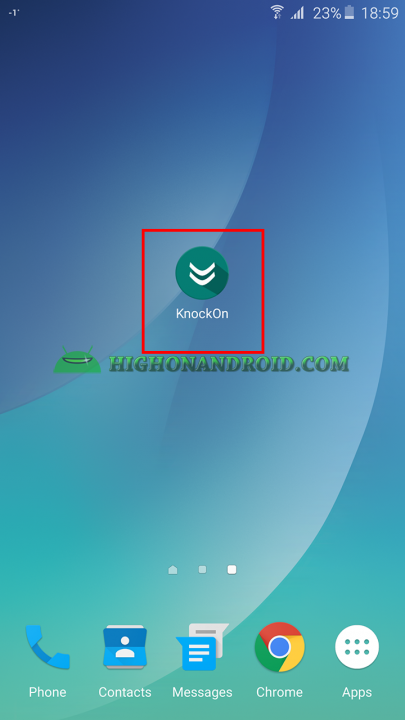
Step 3
Next click the Start the app Button.
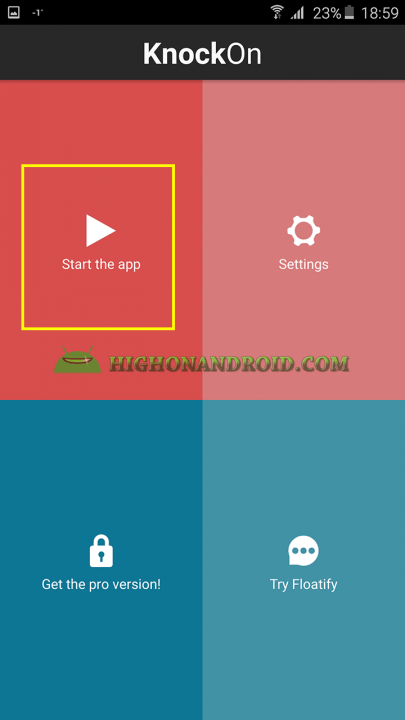
Step 4
Click the Activate Button.
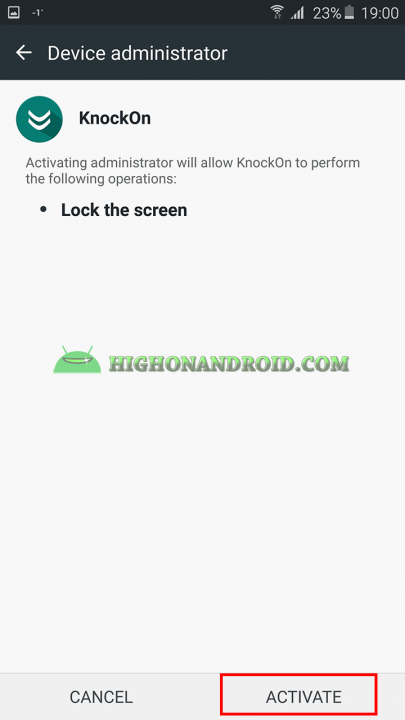
Step 5
Now the app will work, you just need to touch the screen 2 times to unlock your Android device.
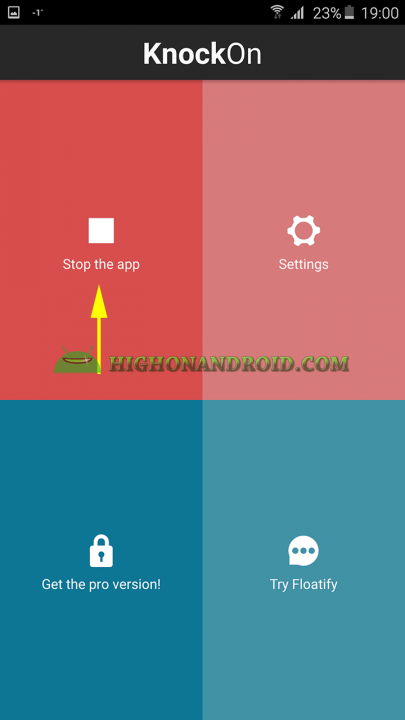
Note:
Also you can press 2 times to turn off the screen using this application.
Refer to some of the following articles
- Decode all errors that appear on Google Play and how to fix them
- How to transfer all data from an old Android phone to a new phone?
- Add a way to hide sensitive content on Android device lock screen
Good luck!
FAQ
What is the main benefit of unlock the Android device screen by tapping the screen twice?
The main benefit is a clearer understanding of the topic and a practical way to apply the information covered in this guide.
What should I check before using unlock the Android device screen by tapping the screen twice?
Confirm compatibility, review the required settings, protect important data, and use the latest supported version whenever possible.
What should I do if the result is different?
Repeat the steps carefully, verify permissions and version differences, and consult the product's official support documentation for changes not shown in the article.
Related Articles
 Unlock the Phone by Typing the Screen to the Beat with Tap Locker5 minutes read
 How to Unlock the Screen of an Android Phone Without a Power8 minutes read
 Guide to Unlock Smart Screen Like iPhone for Android Device7 minutes read
 8 Best Lock Screen Apps for Android: Lock Screen App for Android7 minutes read
 How to Make a Call Right on the iPhone Lock Screen4 minutes read
 How to Access a Locked Android Device: Practical Guide13 minutes read
Reader Comments 0
Sign in with email or Google to join the discussion.