Table of Contents
Windows
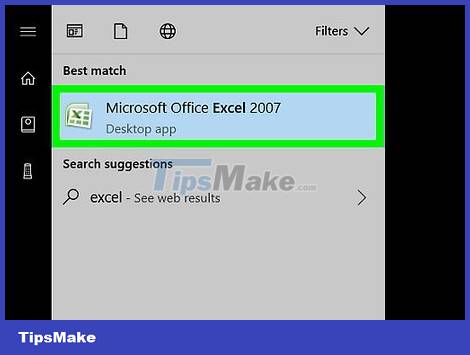
This guide provides a clear overview of iphone, including Windows, macOS. Use it to understand the topic, compare the available options, and make a more informed decision.
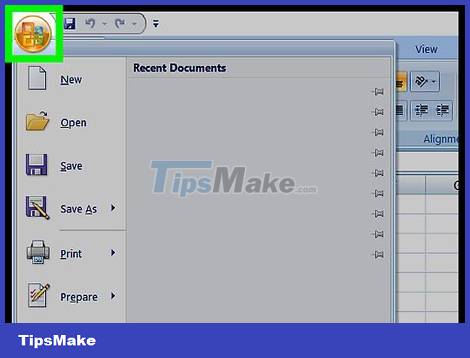
Click File in the upper left corner of Excel.
On Excel 2007, click the round button with the Microsoft Office icon inside.
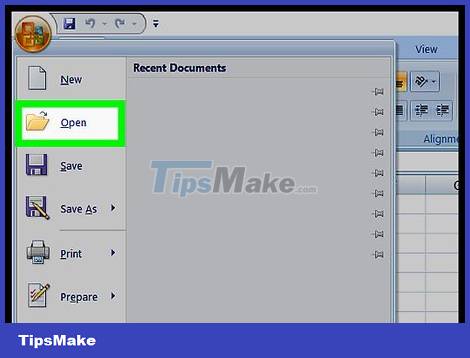
Click Open. The file browser will open.
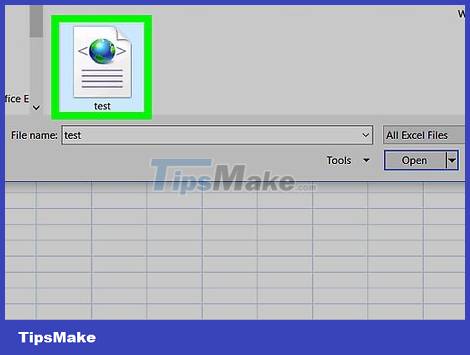
Double-click the XML file. Depending on the file format, you may need to take a few extra steps to open it:
If there is an Import XML dialog box, open the file that references at least one XSLT style sheet. Choose Open the file without applying a style sheet to choose a standard format, or Open the file with the style sheet applied to format stylesheet data.
If you see the Open XML dialog box, select As a read-only workbook.

Click the File menu.
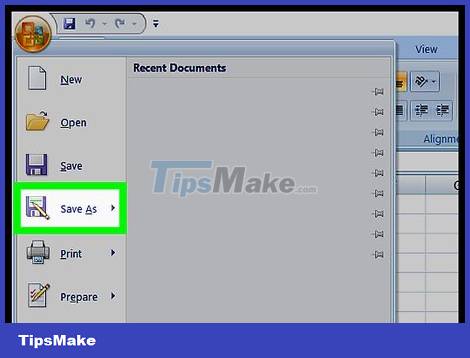
Click Save As.
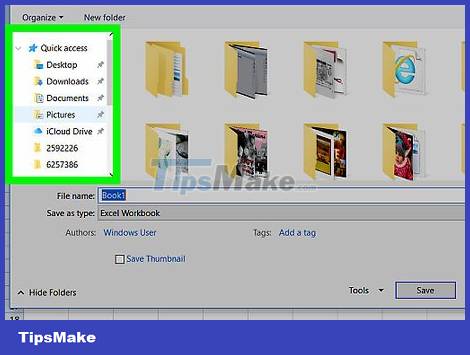
Go to the folder where you want to save the file.
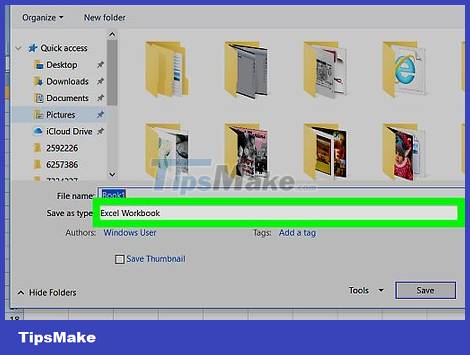
Select Excel Workbook from the 'Save as type' drop-down menu.
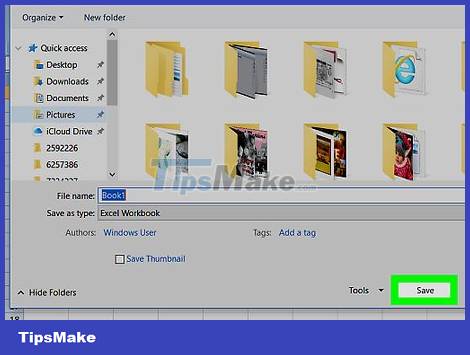
Click Save. The XML data will be saved as an Excel file.
macOS
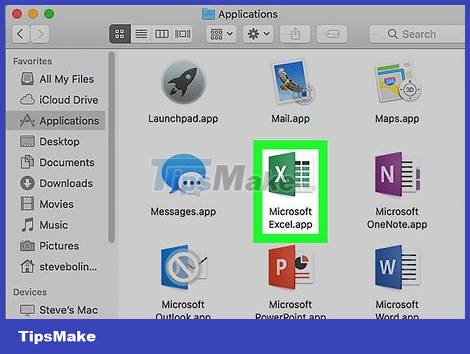
Open Microsoft Excel. The application is located in the Applications folder.
Excel for macOS cannot import XML data from other sources, but the application allows you to open XML worksheet files.

Click the File menu at the top of the screen.
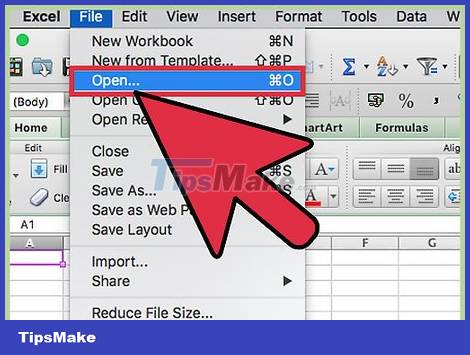
Click Open. A Finder window will open.
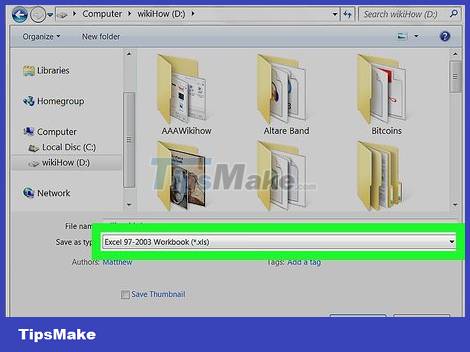
Select the XML file. Browse to the folder containing the XML file and click on the filename to select it.

Click OK. The contents of the XML file will appear.

Click the File menu.

Click Save As.

Enter a name for the file.

Select.CSV from the 'file type' drop-down menu.
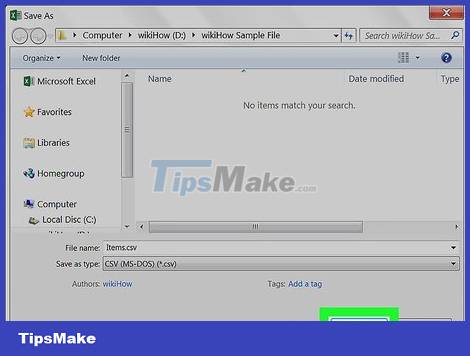
Click Save. The XML file was saved with the.CSV extension on Mac.
Conclusion
Understanding iPhone makes it easier to compare options, avoid common mistakes, and apply the information in this guide more effectively. Review the relevant requirements before making changes or choosing a solution.
FAQ
What is iPhone?
Depending on the file format, you may need to take a few extra steps to open it: If there is an Import XML dialog box, open the file that references at least one XSLT style sheet.
Why is iPhone important?
Understanding iPhone helps you evaluate features, compatibility, performance, and potential limitations before you choose a product or follow a procedure.
What should you consider when using or choosing iPhone?
Consider your specific goal, compatibility requirements, available features, cost, security, and the practical recommendations described in this guide.
Related Articles
 Simple Way to Convert Excel Files to PDF: Exel to PDF8 minutes read
 Simple Way to Convert Excel Files to PDF - Convert Directly or9 minutes read
 How to Convert Excel Files to PDF Online Using Google Drive2 minutes read
 Convert Csv to Xls: How to Convert Csv Files to Excel in Bulk6 minutes read
 How to Convert Money into Words in Excel, Without an Add-in4 minutes read
 5 Ways to Convert Numbers to Words in Excel8 minutes read
Reader Comments 0
Sign in with email or Google to join the discussion.