Table of Contents
This practical guide explains how to take screenshots in BIOS. Follow the steps in order, review the requirements first, and use the troubleshooting notes when a setting or option does not work as expected.
How to take screenshots in BIOS
Step 1:
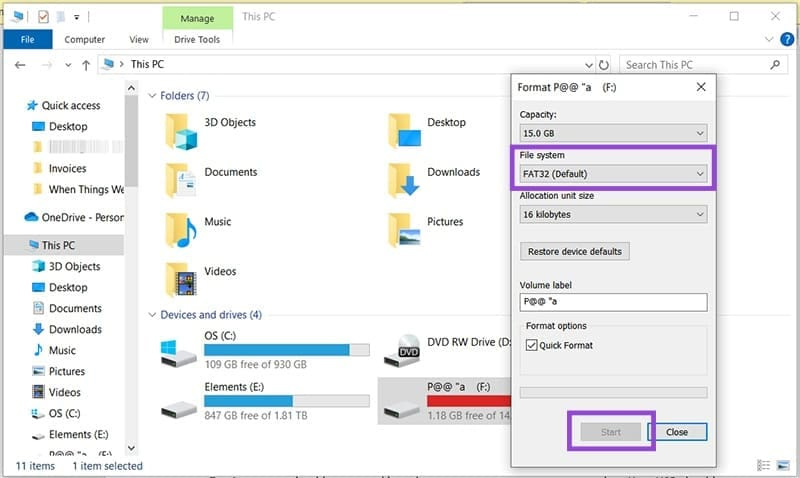
Prepare a blank USB and format it to run in BIOS. Connect the USB to the computer, then right-click and select Format in the displayed menu. In the displayed menu, in File System, select FAT32 (Default) and then click the Start button below. Then click OK to reformat the drive.
Step 2:
Restart your computer and then press the BIOS access shortcut key depending on your computer.
Step 3:
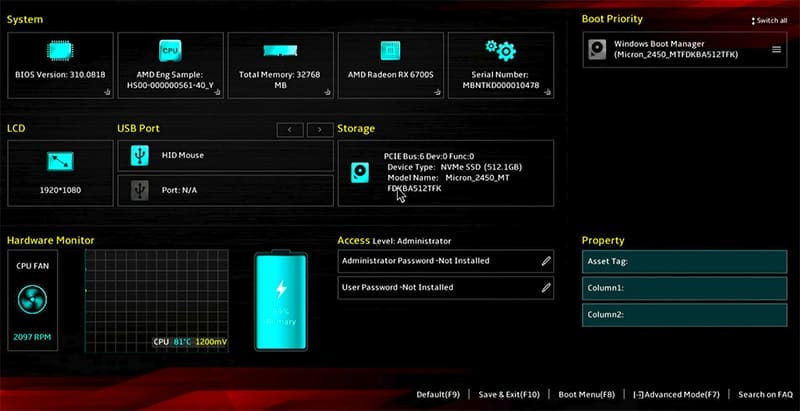
Once you're in the BIOS screen you want to take a screenshot of, press the Print Screen button (or F12, F10, or F8 on some computers).
A new message will appear asking where you want to save the screenshot, select USB if BIOS supports it. The image will be saved as a '.bmp' file.
Then the computer restarts as normal.
FAQ
How to take screenshots in BIOS?
Prepare a blank USB and format it to run in BIOS. Connect the USB to the computer, then right-click and select Format in the displayed menu. In the displayed menu, in File System, select FAT32 (Default) and then click the Start button below. Then click OK to reformat the drive.
What does this guide cover?
This guide explains take screenshots in BIOS, including the main steps, important details, and practical considerations.
Who is this guide for?
It is designed for readers who want a clear, practical overview and a reliable process they can follow without unnecessary complexity.
Related Articles
 5 Tips for Using the BIOS to Help You Master Your Computer8 minutes read
 Instructions for Entering BIOS on Different Computers6 minutes read
 Ways to Reset BIOS Password or Remove BIOS Password10 minutes read
 How to Enter Bios3 minutes read
 Display BIOS Information on Windows 10 Using Command Prompt4 minutes read
 Understanding BIOS: an Indispensable Component of a Computer7 minutes read
Reader Comments 0
Sign in with email or Google to join the discussion.