Table of Contents
This guide provides a practical overview of Limiting the Spread of Virus, Trojan Manually on Windows, including its main features, benefits, limitations, and important considerations.
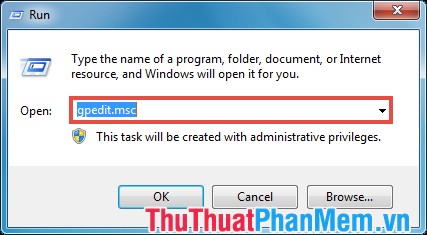
Step 1 : Press the Windows + R key combination to open the Run dialog box, then get the keyword gpedit. msc in Open and press OK or the Enter key to open the Local Group Policy Editor .
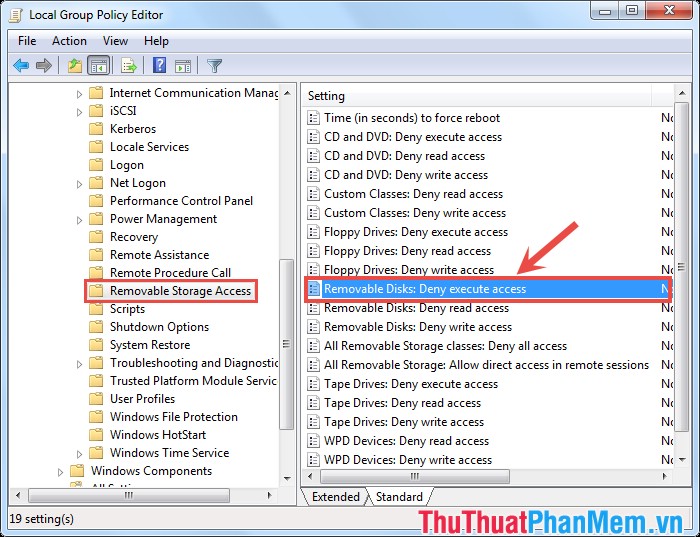
Step 2 : Go to the Removable Storage Access folder under the path:
Computer Configuration / Administrative Templates / System / Removable Storage Access
In the Removable Storage Access folder, in the right pane of Settings, click Removable Disks: Deny Execute Access .
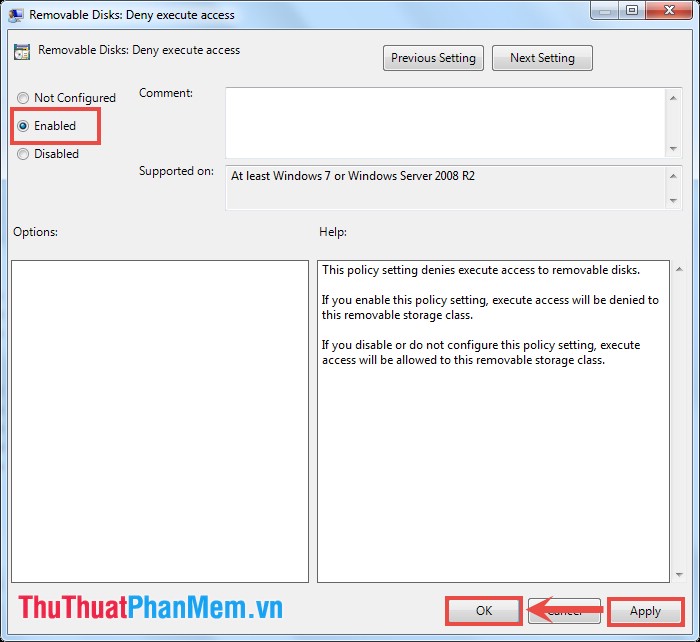
Step 3 : In the Removable Disks: Deny Execute Access dialog box, select Enabled -> Apply -> OK .
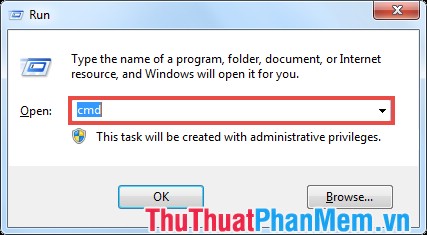
Step 4: You restart the computer or open the Run dialog box, then enter the keyword cmd into the Open box and press Enter to open the Command Prompt window.
On the cmd window, you enter the command gpupdate / force and press Enter to run the command, so the system will apply the customization you just set in Removable Storage Access .
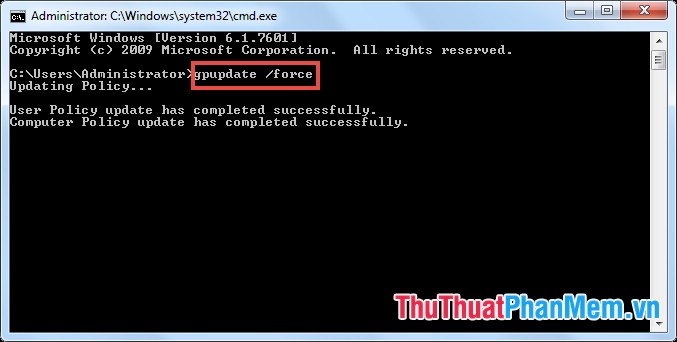
The computer will not automatically run files in USB drives or other drives plugged in via a USB drive.
Note : This is a way to help prevent the virus from automatically spreading to your computer through the auto-run function, but if you perform copying the virus file to your computer and executing that file, you need to use the antivirus software.
Good luck!
FAQ
What should I know about Limiting the Spread of Virus, Trojan Manually on Windows?
Focus on the key features, requirements, limitations, and practical use cases explained in this guide.
How do I get the best results with Limiting the Spread of Virus, Trojan Manually on Windows?
Follow the recommended steps, use current software or information, confirm compatibility, and review settings before major changes.
Are there any risks or limitations?
Potential limitations depend on compatibility, data quality, cost, privacy, support, and how the product or method is used.
Related Articles
 How to Manually Remove Trojan Viruses on Windows 7/8 Effectively7 minutes read
 What Is a Trojan? How to Avoid Trojan Attack?5 minutes read
 Instant: Every Day an Attack on the Im Network Virus Occurs3 minutes read
 New Virus Appeared: New Virus Outbreaks Occur via USB3 minutes read
 Smatphone: Smartphone Was Attacked by Zeus Trojan Virus3 minutes read
 What Is Trojan? How to Avoid Trojan Horse Virus16 minutes read
Reader Comments 0
Sign in with email or Google to join the discussion.