Table of Contents
This updated guide examines Learn About File and Storage Services in Windows Server 2012 and organizes the essential facts, background, and practical takeaways in clear American English.

Now let's see how to create a Share in the system with its corresponding permissions. To do this, follow the steps below.
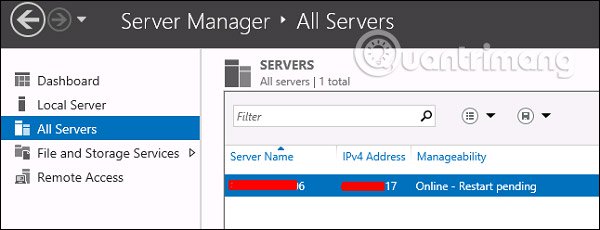
Step 1 - Click Server Manager , then click File and Storage Services in Server Manager. Click Shares. Click on the Shares list , then click New Share.
Step 2 - This will open the New Share Wizard . From here, select a share type you want. The example will create a very basic SMB share, so click SMB Share - Quick . You can then configure user rights in this section.

Step 3 - Click on ' Type a custom path ', then click the Browse button .

Step 4 - Select the folder you want to share and click Select Folder.

Step 5 - Click Next.
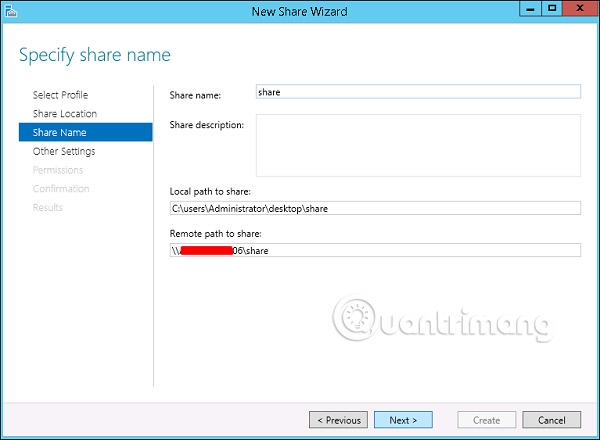
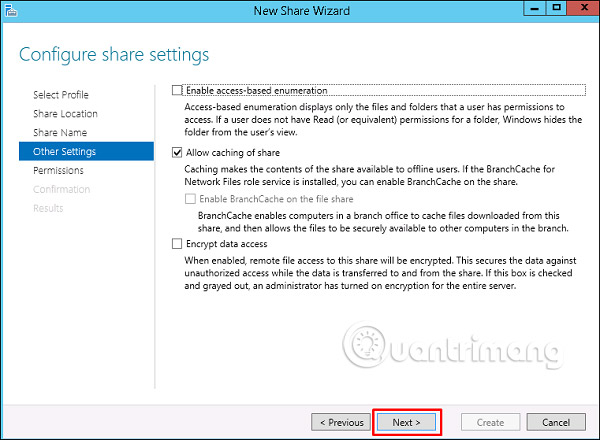
Step 6 - You can choose one of three options according to your needs. Explanations will appear after selecting options. Click Next.
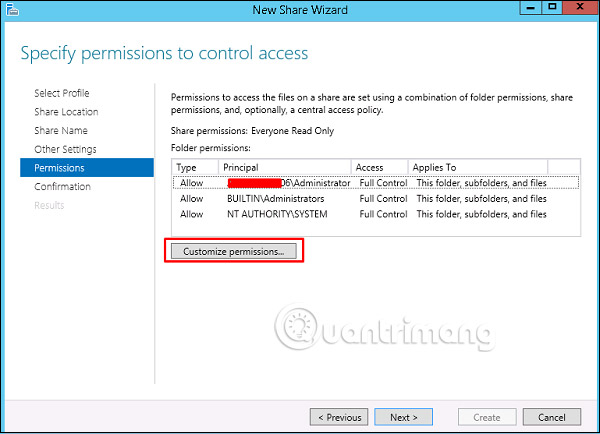
Step 7 - Click Customize Permissions to allow the permissions that users need.
Step8 - Click Add if you want to add other users.
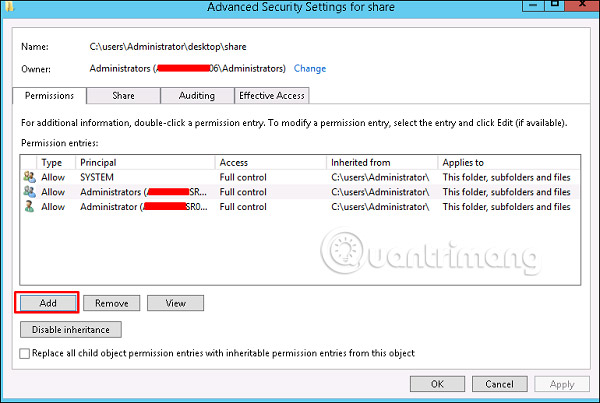
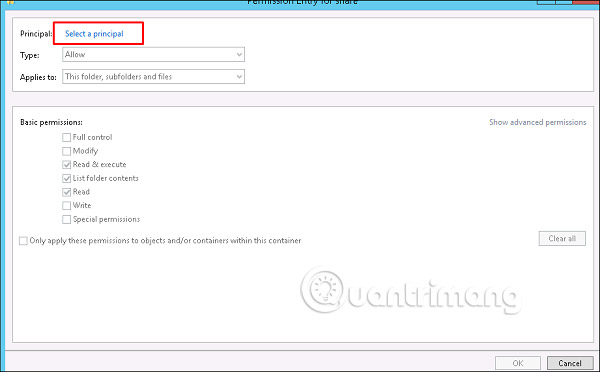
Step9 - Select Select a principal .
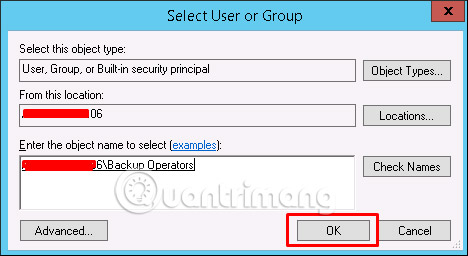
Step 10 - You should provide the permissions that can be done by entering the object name. That is Backup Operator in this case and then click OK.
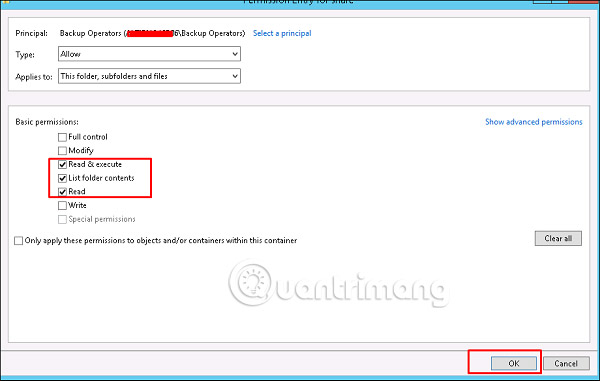
Step 11 - Users in this example will have ReadWrite permissions, select the corresponding options and then click OK> OK> Next.
Step 12 - Click Create.

:
- How to configure and adjust WSUS in Windows Server 2012
- How to install WSUS in Windows Server 2012
- How to create a virtual machine in Windows Server 2012
FAQ
What is Learn About File and Storage Services in Windows Server 2012 about?
It provides a structured overview of Windows Server 2012, explains the main context, and highlights practical takeaways for readers.
Why does this topic matter?
Understanding the main concepts helps readers evaluate the issue, avoid common mistakes, and make better-informed decisions.
How should readers use this information?
Use the guidance as a practical starting point, confirm details that may have changed, and follow current product, safety, or security recommendations.
Related Articles
 How to Start and Stop Services in MS SQL Server4 minutes read
 How to Set up Windows Deployment Services on Windows Server 201611 minutes read
 The Best 'Cloud Storage' Data Storage Services Today9 minutes read
 Which File System Should Be Used for Removable Storage Devices7 minutes read
 10 Best Features of Windows Server 20167 minutes read
 What Is VPS? VPS Used to Do? What Is VPS Different from Server?5 minutes read
Reader Comments 0
Sign in with email or Google to join the discussion.