Table of Contents
This guide provides a practical overview of Instructions on How to Create Virtual Machines with VirtualBox, including its main features, benefits, limitations, and important considerations.

First, download the free VirtualBox tool at the following address: https://www. virtualbox. org/wiki/Downloads

Step 1: Open VirtualBox and click New to create a new virtual machine.

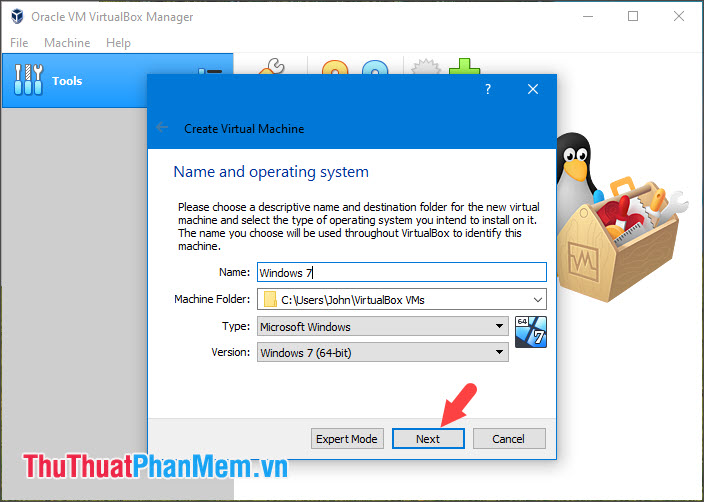
Step 2: You name the virtual machine in the Name section, change the folder containing the virtual machine file in the Machine Folder , select the type of virtual machine installed in the Type and the installation version of the virtual machine in the Version section. After making your selection, click Next to continue.
Step 3: Set the amount of RAM for the virtual machine by dragging the slider left or right. The recommended RAM level is 2GB, if our computer owns a large amount of RAM, you can set the RAM level from 4-8GB.

Step 4: Select Create a virtual hard disk now (1) to let the software create a virtual drive for you. Click Create (2) to create.

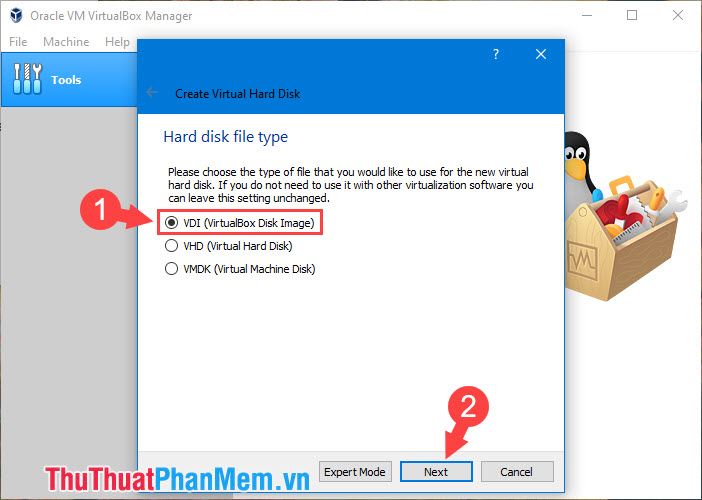
Step 5: Select the default drive type as VDI (VirtualBox Disk Image) . Then click Next to continue.
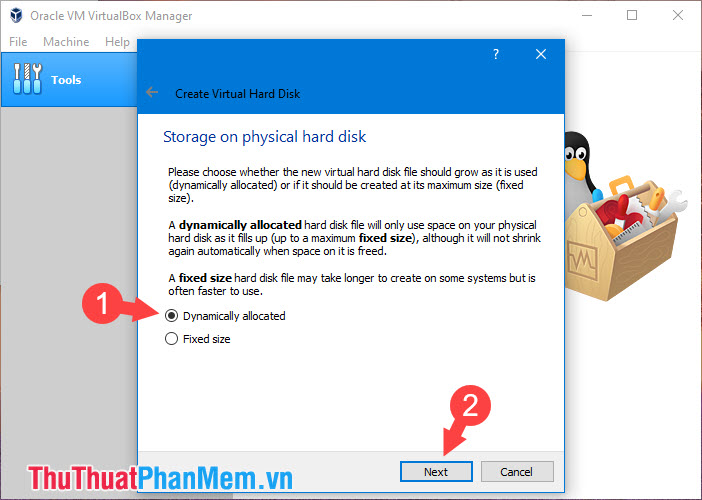
Step 6: Select Dynamically allocated to create VirtualBox partitions on your hard drive. Then click Next to continue.
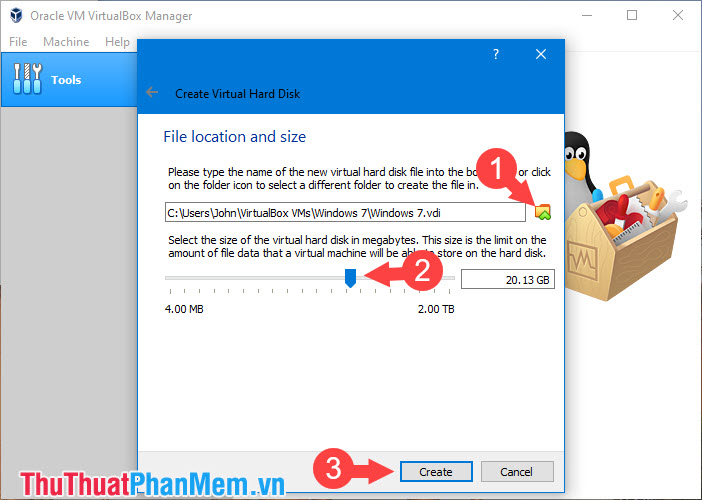
Step 7: You set the hard drive capacity for the virtual machine. Minimum size is 20GB and you can increase it by dragging the slider to the right. Then choose Create to create software partition virtual machine.
Step 8: After the setup process is successful, we will get the virtual machine with the parameters as shown below. Now you boot up the virtual machine by clicking on the virtual machine name and select Start .
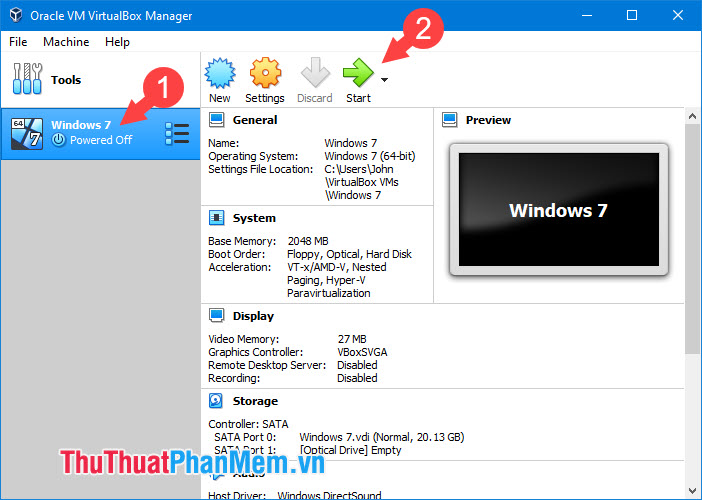
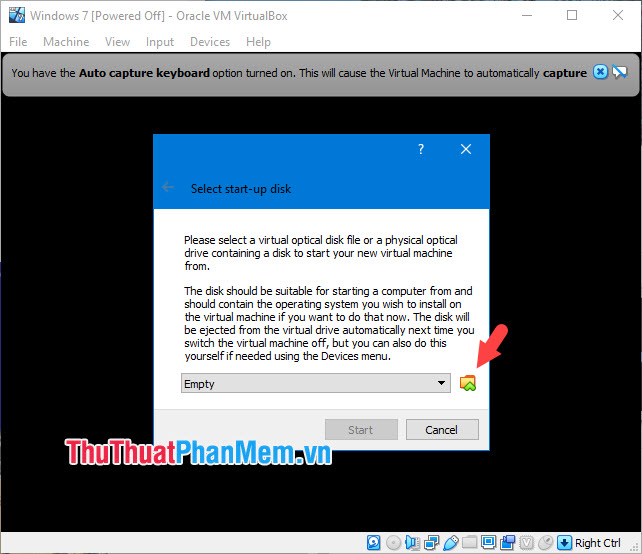
Step 9: This step VirtualBox requires you to open the ISO file to install for the virtual machine. Click the Open icon.
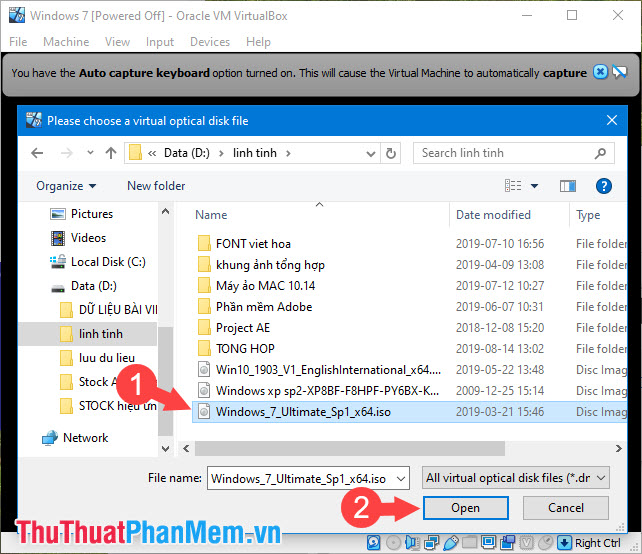
And select the path to the ISO file to install Windows and click Open .
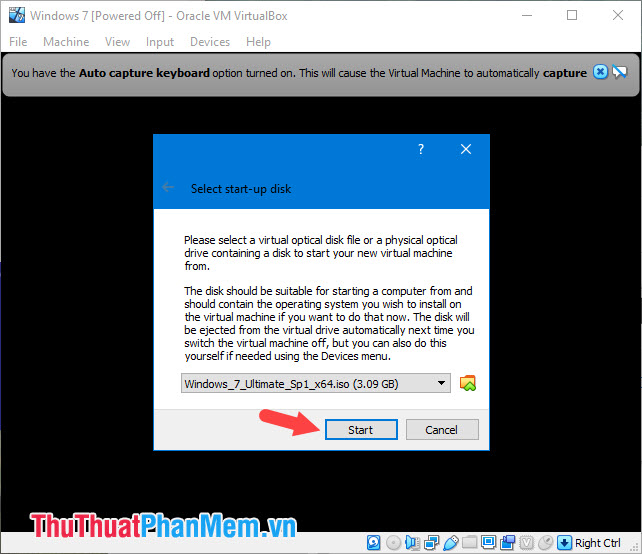
Step 10: Click Start to begin the virtual machine installation process.
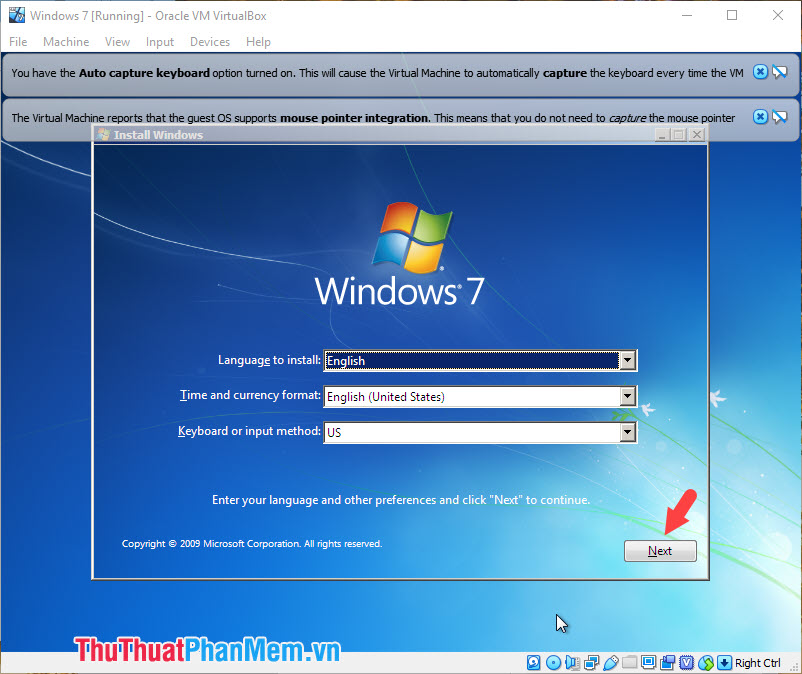
Step 11: Then you install Windows on the normal virtual machine.
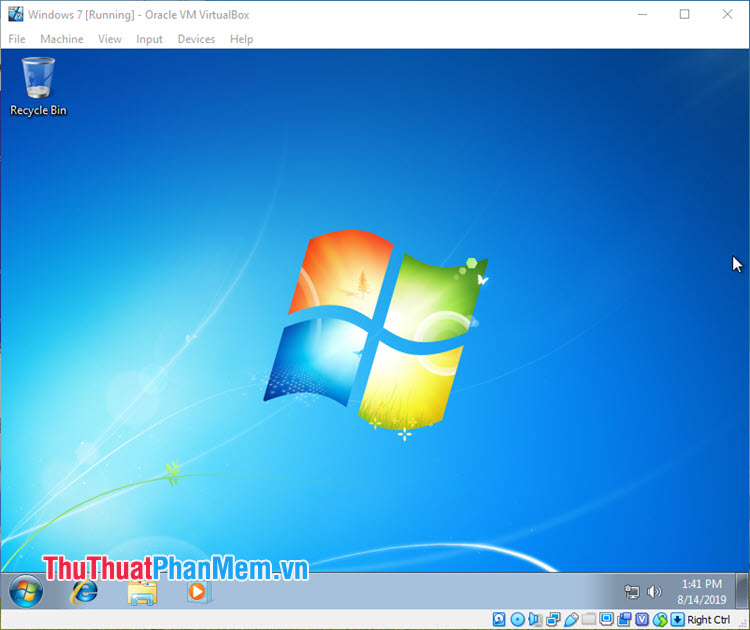
Step 12: And finally your virtual machine installed and booted successfully as shown below is done.
With the steps presented in the article, you can create your own virtual machine and install your favorite software on it. Good luck!
FAQ
What should I know about Instructions on How to Create Virtual Machines with VirtualBox?
Focus on the key features, requirements, limitations, and practical use cases explained in this guide.
How do I get the best results with Instructions on How to Create Virtual Machines with VirtualBox?
Follow the recommended steps, use current software or information, confirm compatibility, and review settings before major changes.
Are there any risks or limitations?
Potential limitations depend on compatibility, data quality, cost, privacy, support, and how the product or method is used.
Related Articles
 Create a Virtual Machine on a USB Drive with VirtualBox4 minutes read
 6 Useful Virtualbox Commands to Manage Virtual Machines9 minutes read
 How to Creating Virtual Machines with VirtualBox Quickly and Easily5 minutes read
 What Is Oracle Virtualbox? What Can Be Done with It?9 minutes read
 How to Speeding up Virtual Machines in Full Set10 minutes read
 Virtualbox - Virtualbox Download and Installation Guide.5 minutes read
Reader Comments 0
Sign in with email or Google to join the discussion.