Table of Contents
This updated guide examines How to Upgrade Windows 7 to Windows 8 and organizes the essential facts, background, and practical takeaways in clear American English.
Method 1of 2:
Using a Windows 8 DVD
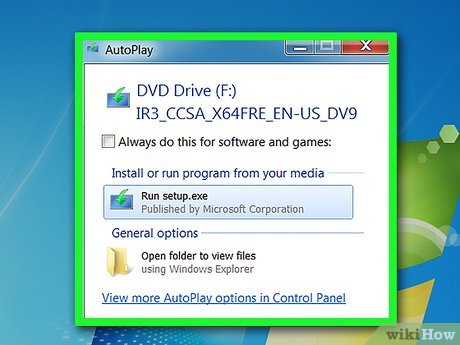 Insert the Windows 8 DVD into your Windows 7 PC. After a few moments, you should see a blue 'Windows 8 Setup' window.[1]
- If you don't see this window, double-click Computer or My Computer on your desktop, and then double-click your DVD drive.
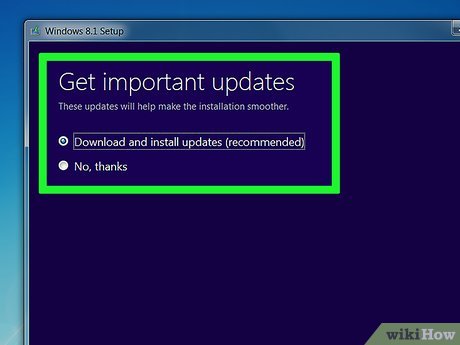 SelectDownload and Install Updates. It's the first option.
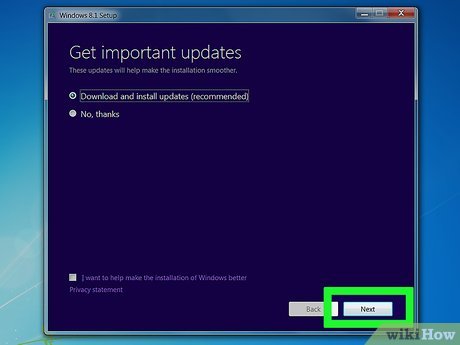 ClickNext. The installer will now check for important updates.
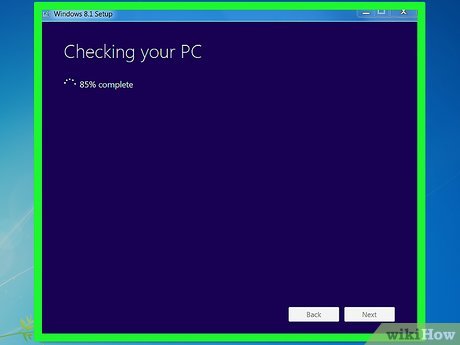 Follow the on-screen instructions to download and install updates. When all updates are installed, you'll be asked to enter your product key.
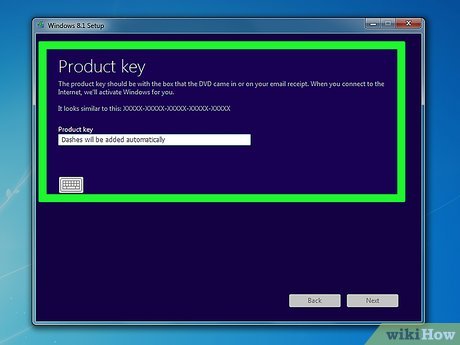 Type your product key and clickNext. This is the long set of letters and numbers that came with your Windows 8 DVD. Depending on where you purchased Windows 8, they key may also be in an email or on a printed receipt.
 Read the terms and check the 'I accept the license terms' box.
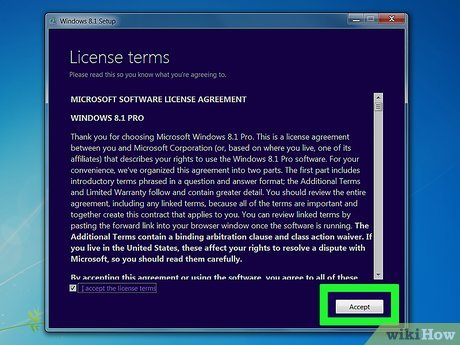 ClickAccept.
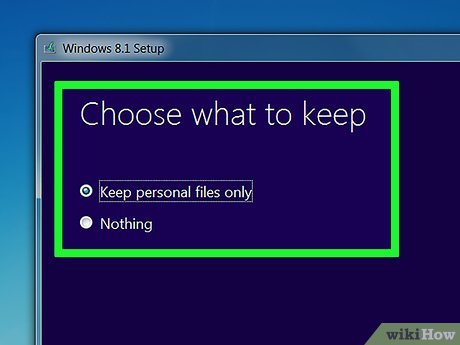 Select which items you want to save from your Windows 7 install. Select each type of data you want to keep. If you don't want to retain any of your personal files or settings, select Nothing .
 ClickNext. Depending on the option(s) you selected in the previous step, you may have to perform additional tasks or restart the computer. Once everything is finished, you'll see an 'Install' button.
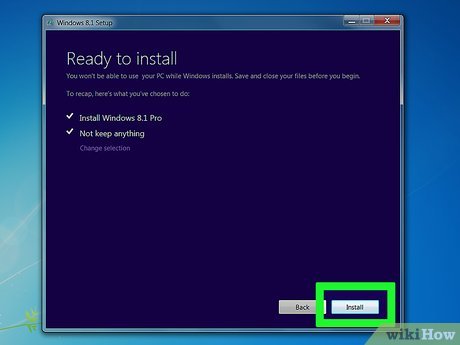 ClickInstall. Windows 8 will now start to install. The computer may reboot several times during the installation. Once Windows 8 is installed, you'll be asked to select a background color.
 Select a background color and clickNext.
 SelectUse Express Settings. This sets up Windows 8 with the default security settings.
- If you want to customize your settings instead, click Customize to do so now.
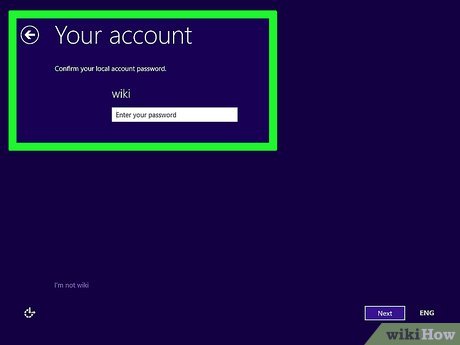 Verify your password. If your Windows 7 account was protected by a password, you'll be prompted to enter it now.
 Select an account type to sign in. If you want to create a Microsoft account (recommended), click Next , and then follow the on-screen instructions to complete your the sign-up. If not, click Skip to access your desktop.
Method 2of 2:
Using the Upgrade Assistant Tool
 Download the Upgrade Assistant tool from Microsoft. Make sure your Windows 7 PC is connected to the internet, and then follow this link to download the tool. Save it to your computer when prompted.
- This method will help you install and run the Upgrade Assistant tool, which allows you to purchase and install a Windows 8.1 upgrade for Windows 7.
 Double-click the Upgrade Assistant tool. It's the file that has a long name containing the text 'WindowsUpgradeAssistant' and ends with '.exe.'
- You may have to click Yes to give the tool permission to run.[2]
 ChickSee compatibility details. This displays a list of apps and drivers that may not work in Windows 8.1. Click Close when you're finished.
- In most cases, app developers and manufacturers have created new versions and drivers you can install to correct these issues on your new operating system.
 ClickNextif you want to continue with the upgrade. [3]This displays a list of Windows 8.1 versions available for purchase. The options will vary by location.
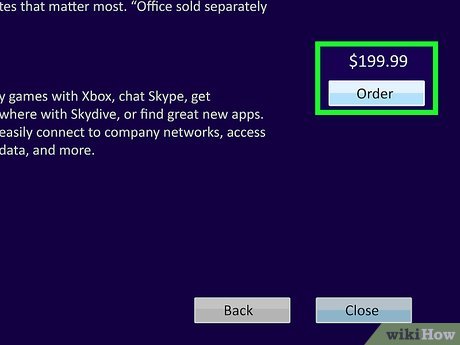 ClickOrdernext to the version you want to purchase. The contents of your order, including the size of the download, will appear.
- If you want to purchase a DVD, check the box next to 'Windows DVD.'
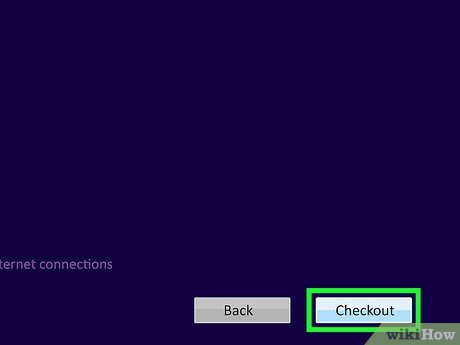 ClickCheckoutand follow the on-screen instructions to purchase. You'll have to provide your contact information and enter your payment method to complete the purchase. Once your purchase is complete, you'll see a link to download Windows 8.1, as well as your product key.
- Write down your product key and store it somewhere safe. You'll need it to install Windows 8.1.
 Click the link to download the installer. If prompted, click Save to start the download.
- The installer is pretty big (around 2 GB), so it may take a while to download.
 Double-click the downloaded file to install Windows. You'll be taken through a series of steps to install the operating system. Follow the on-screen instructions to choose your settings, install the upgrade, and then set up your new desktop.
FAQ
What is How to Upgrade Windows 7 to Windows 8 about?
It provides a structured overview of windows, explains the main context, and highlights practical takeaways for readers.
Why does this topic matter?
Understanding the main concepts helps readers evaluate the issue, avoid common mistakes, and make better-informed decisions.
How should readers use this information?
Use the guidance as a practical starting point, confirm details that may have changed, and follow current product, safety, or security recommendations.
Related Articles
 Instructions for Upgrading Windows 7 to Windows 8 and Windows 8.19 minutes read
 Instructions on How to Upgrade from Windows XP to Windows 85 minutes read
 DVD Upgrade to Windows 8 Costs 70 USD4 minutes read
 Instructions for Upgrading Windows XP to Windows 7 or Windows 107 minutes read
 Microsoft Details the Upgrade Process from Windows 7/8/10 to4 minutes read
 This Is Why You Should Say Goodbye to Windows 7 and Upgrade Your Device to Windows 105 minutes read
Reader Comments 0
Sign in with email or Google to join the discussion.