Table of Contents
1. Round the corners of the image with Photoshop
This guide explains how to rounded Corners of Photos in Photoshop, with clear steps, practical tips, and important checks before you begin.
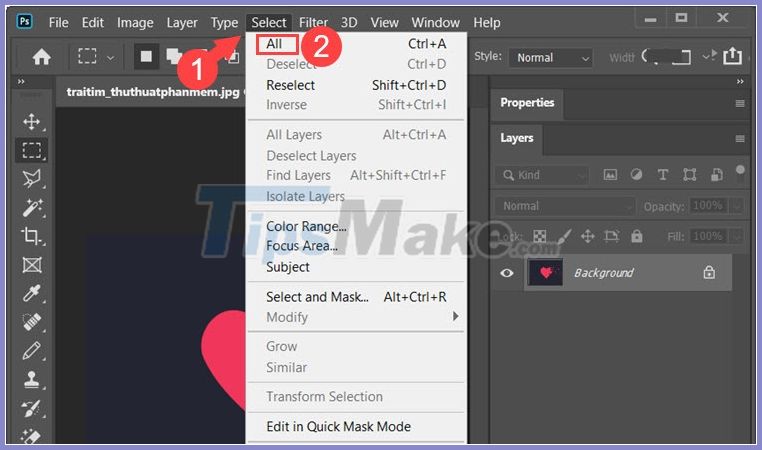
Step 2: Go to the menu Select (1) => Modify (2) => Smooth (3) .

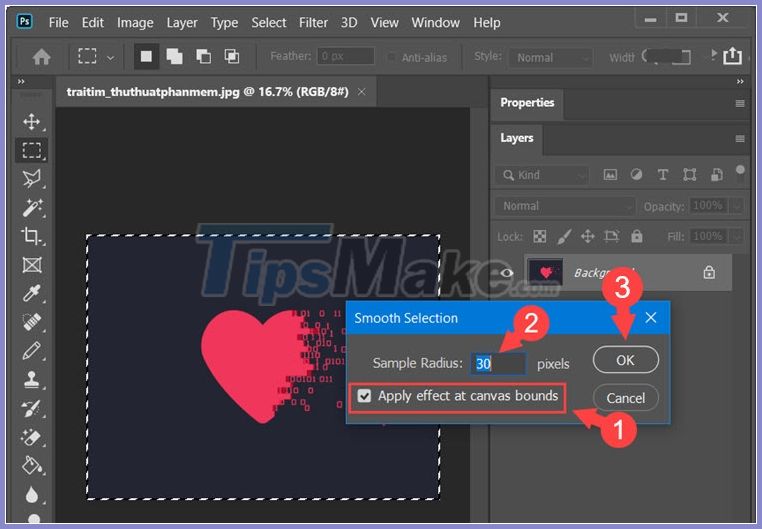
Step 3: Check Apply effect at canvas bounds (1) before setting pixel parameters (2) . The pixel parameters will depend on the resolution of the image and the image has a large resolution (over 1000 pixels), you can set it at 50 or more, if you do not like it, you can reset as long as is the still image Select area. After completing the setup, click OK (3) .
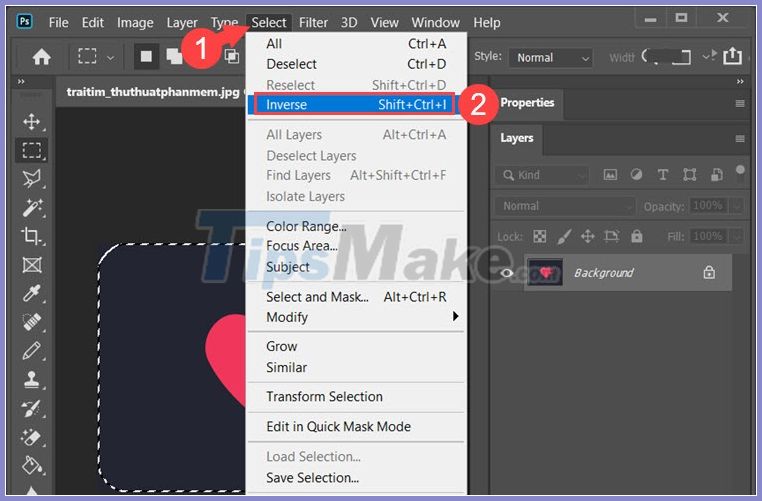
Step 4: After having rounded corners, click the Select menu (1) => Inverse (2) to inverse the selection.
Step 5: Click on the Eraser Tool (1) => choose the Magic Eraser Tool (2) .

Next, you click on the corners of the image to delete the excess image area.

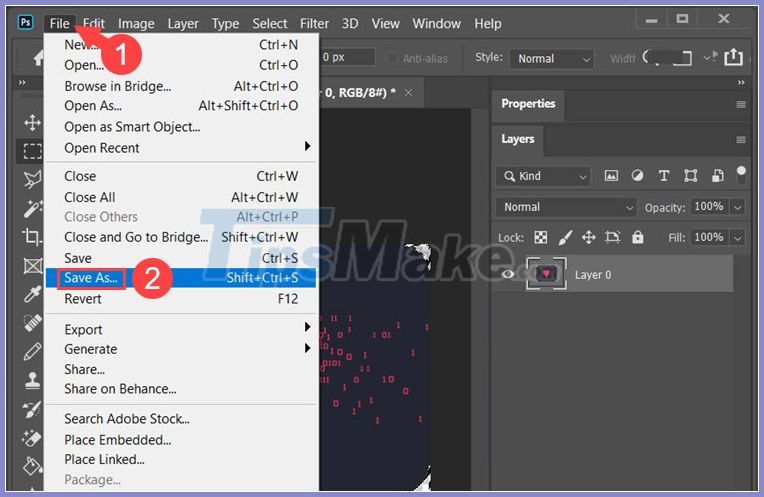
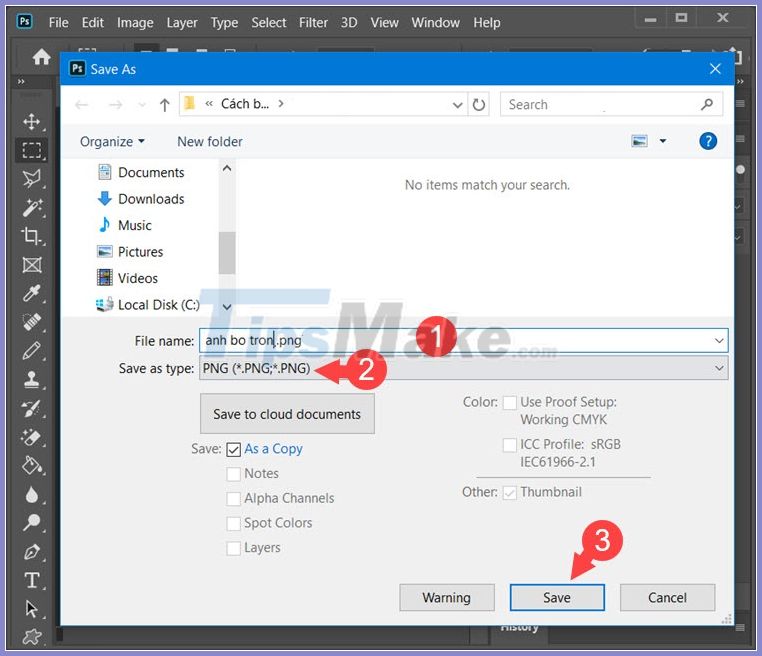
Step 6: Please save the image by going to File menu (1) => Save As. (2) .
Step 7: You name the file (1) and choose the PNG image format (2) so that the rounded border becomes transparent when editing with image processing software. Next, you just need to press Save (3) and you 're done.
2. Round the corners of an image in Photoshop
Step 1: Click on the Rectangular Marquee Tool (1) => circle the image (2) .

Step 2: Go to Select (1) => Modify (2) => Smooth. (3) .

Step 3: You check the Apply effect at canvas bounds (1) => set parameters for border edges (2) => OK (3) .

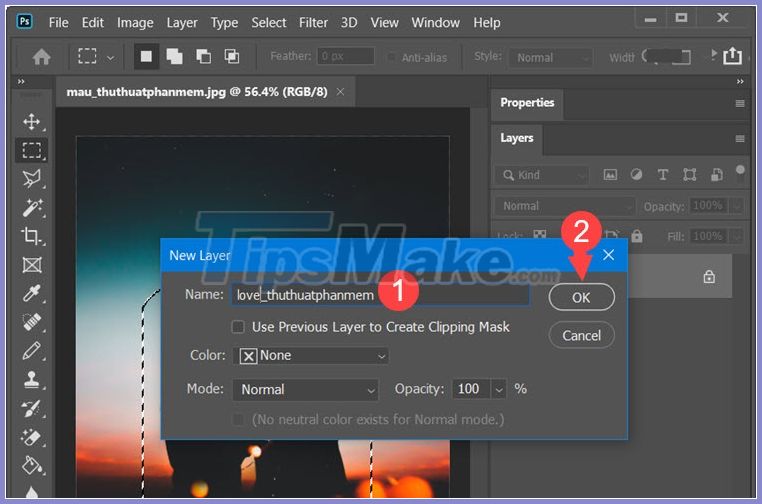
Step 4: After creating a border for the object, right-click (1) on the border and choose New Layer (2) .

Step 5: You name the new layer (1) => OK (2) .
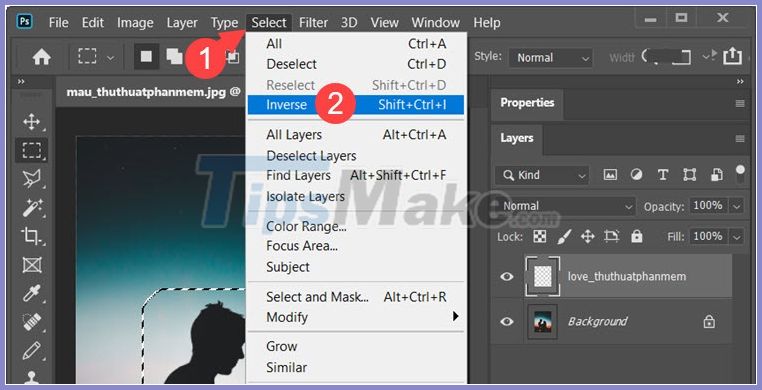
Step 6: Click on Select (1) => Inverse (2) .
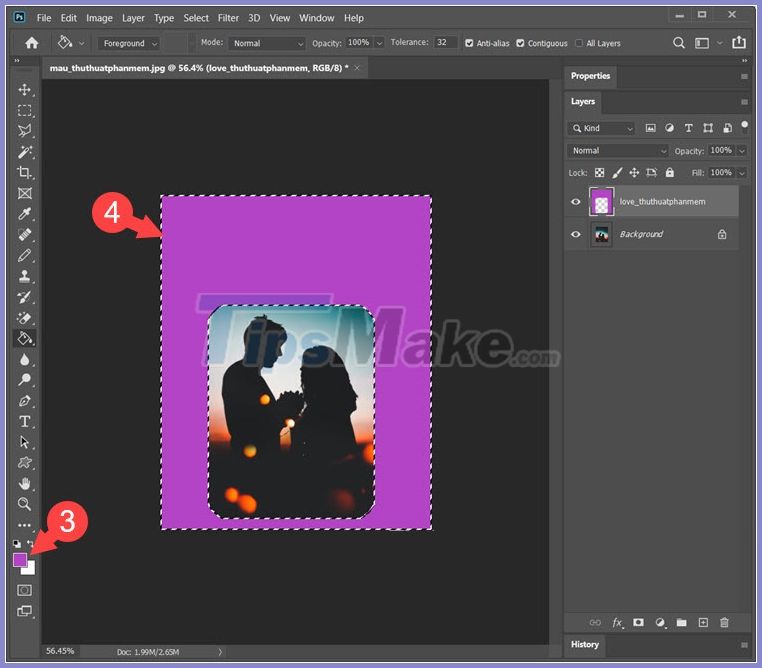
Step 7: You choose the fill tool (1) => Paint Bucket Tool (2) .
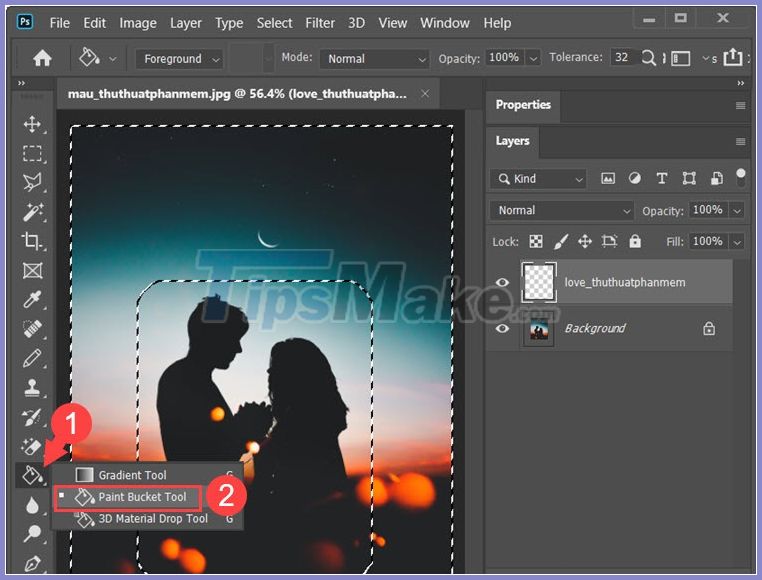
Next, you choose a color (3) => fill the selected image area (4) .
Step 8: You click on the Opacity (1) and adjust the opacity (2) to suit your taste.

Step 9: You go to Select (1) => Deselect (2) .
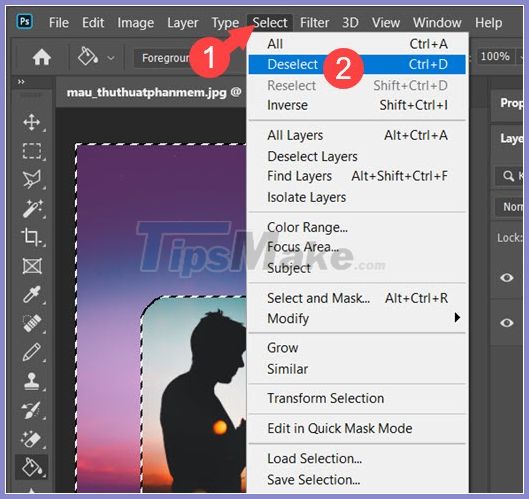
And finally you have completed a very unique circular photo composition.

With its unique rounded corners that are easy to operate, you can make monotonous photos more appealing with this way. Good luck!
FAQ
What should I know about Rounded Corners of Photos in Photoshop?
Focus on the key features, requirements, limitations, and practical use cases explained in this guide.
How do I get the best results with Rounded Corners of Photos in Photoshop?
Follow the recommended steps, use current software or information, confirm compatibility, and review settings before major changes.
Are there any risks or limitations?
Potential limitations depend on compatibility, data quality, cost, privacy, support, and how the product or method is used.
Related Articles
 How to Create a Rounded Image in Photoshop: Edit Photoshop Photos5 minutes read
 Windows 11 Transparency and Rounded Corners Don't Affect PC3 minutes read
 Cornering Steps in Autocad Trong4 minutes read
 How to Round the Corners of a Selection in Photoshop Is4 minutes read
 How to Cut Circular Images in Photoshop: Cut Photos on Photoshop4 minutes read
 Photoshop CS: Decorate Photos6 minutes read
Reader Comments 0
Sign in with email or Google to join the discussion.