Table of Contents
This practical guide walks through how to fix Windows Cannot Connect to the Printer Error. It organizes the required steps, settings, and checks so you can complete the task with fewer mistakes.
The issue " Windows cannot connect to the print " mainly occurs on Windows 7 . Several causes of the issue, it can be due to the printer driver,. causing the computer to not be able to connect to the printer. Continue reading this guide to learn how to fix the "Windows cannot connect to the printer" error.
Error "Windows Cannot Connect to the Printer"
Windows cannot connect to the printer error often occurs with error code 0x0000007e , 0x00000002 Or 0x0000007a.


Instructions on How to Fix "Windows Cannot Connect to the Printer" Error
Here are some ways to fix Windows cannot connect to the printer error that you can use:
Method 1: Relaunch the Print Spooler Service
Step 1 : Select Windows + R To open the Run command window.
Step 2 : Enter Services. msc There and select Enter or choose OK.

Step 3 : On the Service window, in the Name Box, find and double-select the Print Spooler service.
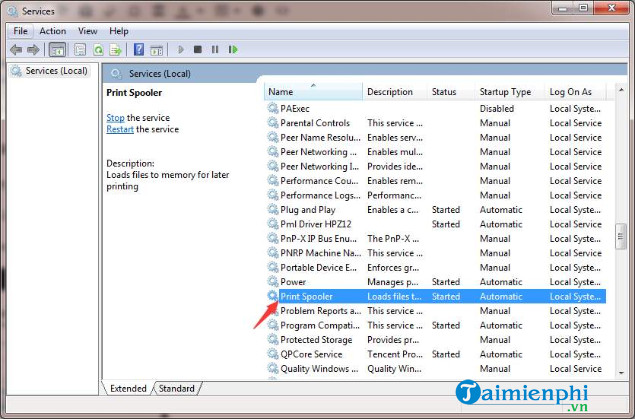
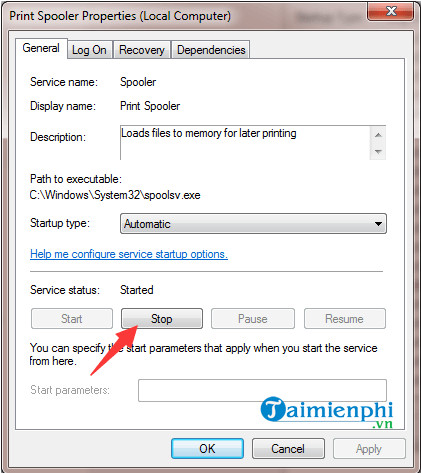
Step 4: On the next window, in the Service Status Section, select the Stop button.
Step 5: Next select The Start button To relaunch the service.
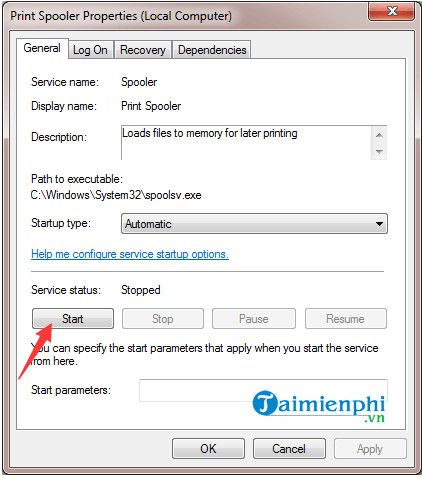
Step 6: Finally select OK And add the printer again to see if the issue still occurs.
If the issue still persists, review the next error correction methods below.
Method 2: Create a New Local Port
Follow the steps below to create a new Local port and fix the "Windows cannot connect to the printer" error:
Step 1: Open Control Panel.
Step 2 : In the View by Section, set it to Large icons , then find and select Devices and Printers.
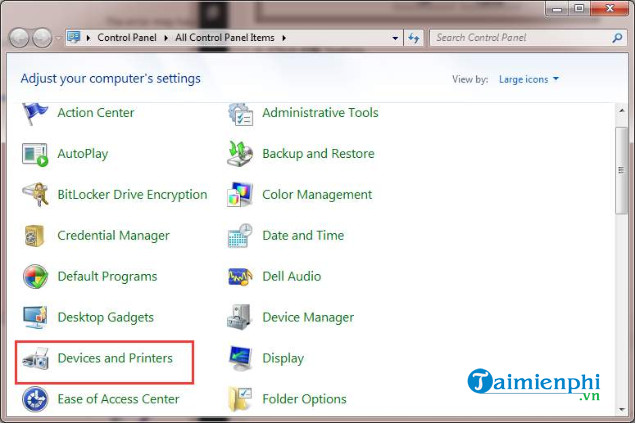
Step 3: Select Add a printer In the top corner of the window. Note, you will have to log in to the computer under Admin.
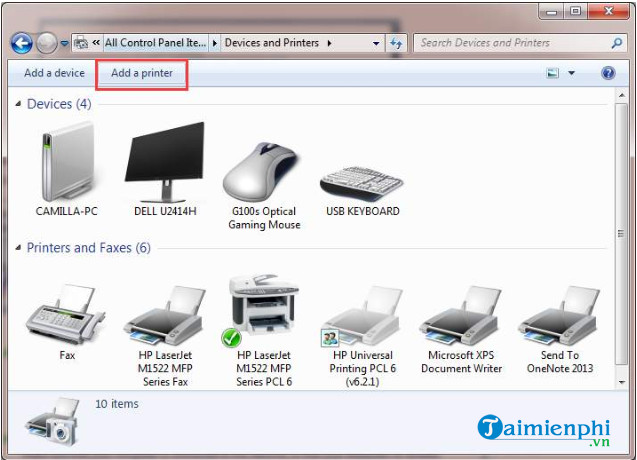
Step 4: Select Add a network, wireless or Bluetooth printer.
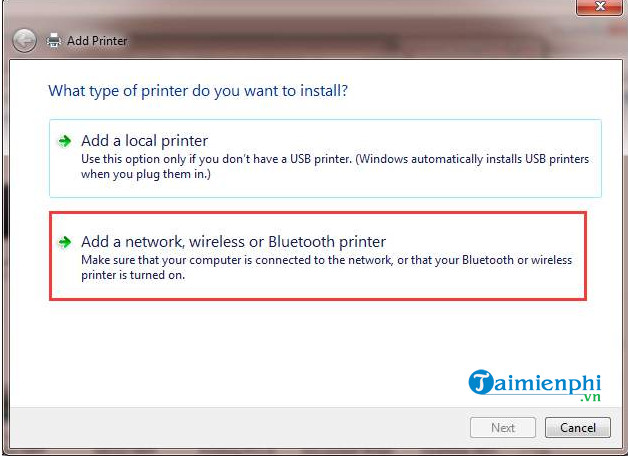
Step 5 : Select Create a new port , set The Type of port toLocal Port And then choose Next.
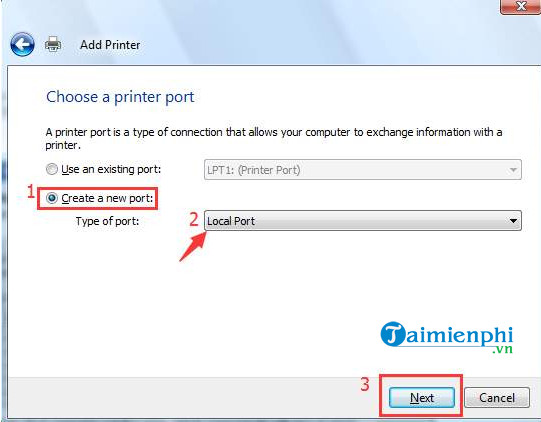
Step 6: Enter the port name in the box, the port name is the printer address, then choose OK.

Step 7: Select the printer model and then choose Next.
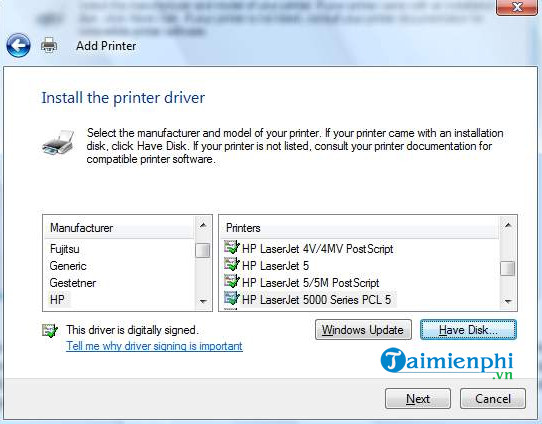
Step 8 : Follow the on-screen instructions to complete adding the printer and check if the Windows cannot connect to the printer error persists or not.
Method 3: Delete the Printer Driver
Sometimes the cause of the issue may be the printer. Try deleting the printer driver and reinstalling to see if the issue persists.
Step 1: Open the Run command window by pressing Windows + R.
Step 2: Enter Printmanagement. msc There and select Enter or choose OK.
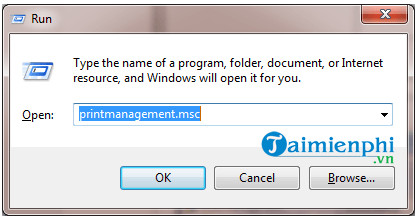
Step 3: In the left pane, find and select All Drivers.
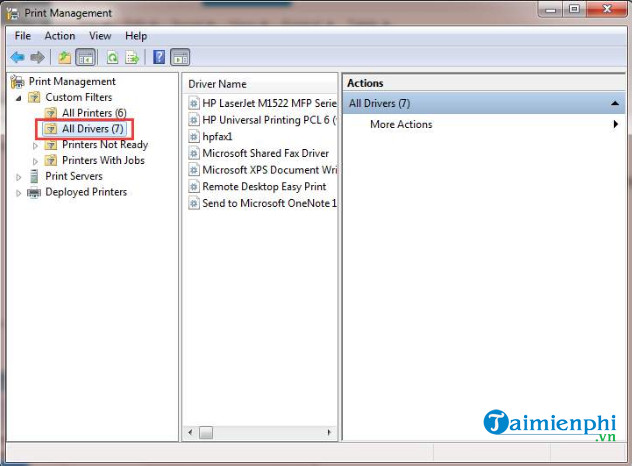
Step 4: In the right pane, find and right-select the printer driver and select Delete.
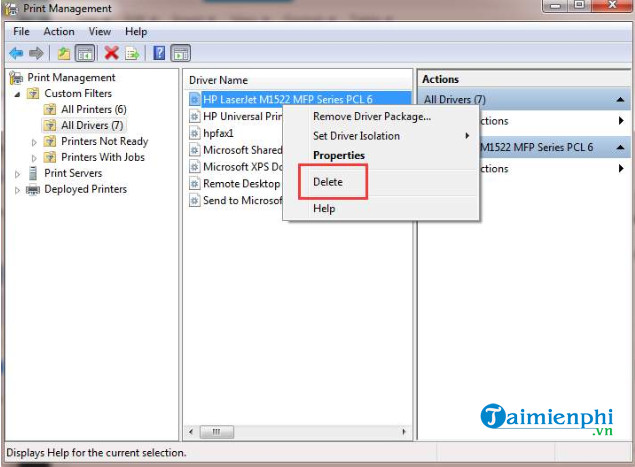
Follow the same steps to remove other printer drivers.
Step 5: Finally add the printer driver again and check if the Windows cannot connect to the printer error still exists or not.
Method 4: Copy "Mscms. Dll" Manually
Step 1: Open C: Windowssystem32 And find the file named " Mscms. dll ".
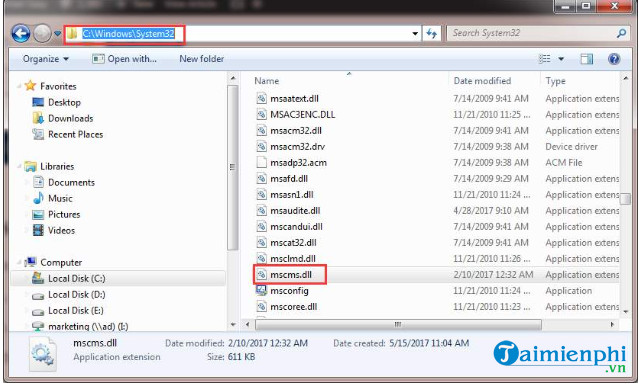
Step 2: Copy the file to the path below:
C: windowssystem32spooldriversx643 If You Are Using 64-bit Windows
C: windowssystem32spooldriversw32x863 If You Are Using 32-bit Windows
Step 3: Try connecting to the printer and check if the issue persists or not.
Method 5: Delete Subkey
Warning: Improperly editing Registry keys can cause serious system problems, so you should backup the registry before starting.
Step 1 : Stop the Print Spooler service.
Step 2: Open the Run window by pressing Windows + R.
Step 3 : Enter Regedit There and select Enter.
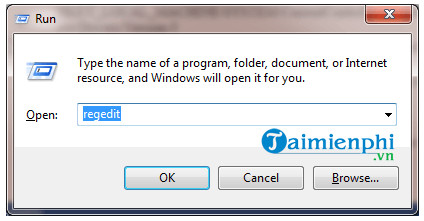
Step 4: On the next window navigate to the path below:
HKEY_LOCAL_MACHINESOFTWAREMicrosoftWindows NTCurrentVersionPrintProvidersClient Side Rendering Print Provider
Find and right-select Client Side Rendering Print Provider , select Delete .
Step 5: Relaunch the Print Spooler service.
Step 6: Restart the computer and add the printer again to see if the issue persists.
The above article TipsMake has just shown you how to fix the issue "Windows cannot connect to the printer". If you have any questions or concerns that need to be answered, such as how to fix the issue of The printer not receiving print commands on the computer , readers can leave their comments in the comments section below the article.
FAQ
What do I need before I fix Windows Cannot Connect to the Printer Error?
Prepare the required device, software, account access, and any files mentioned in the steps. Back up important data before changing system settings.
Why does the process look different on my device?
Menus and options can vary by operating system, app version, device model, or region. Use the closest matching setting and check the official documentation when needed.
What should I do if a step does not work?
Restart the app or device, confirm permissions and connectivity, update the software, and repeat the step carefully. Avoid unofficial downloads or tools.
Related Articles
 How to Fix Windows Errors Not Connected to the Printer9 minutes read
 How to Fix the 'Windows Cannot Connect to the Printer' Error in Windows 11/106 minutes read
 Instructions for Fixing the Error 'Windows Cannot Connect to the Printer'4 minutes read
 Instructions to Fix Windows Cannot Connect to the Printer Error Explained6 minutes read
 How to Rename the Printer on Windows 104 minutes read
 Instructions on How to Fix the Error of the Computer Not5 minutes read
Reader Comments 0
Sign in with email or Google to join the discussion.