Table of Contents
Learning how to check which apps use a lot of battery on Windows 11 doesn't have to be complicated. This updated guide presents a clear workflow, practical checks, and troubleshooting advice you can use while completing the process.
Key Takeaways
- Follow the steps to determine which apps are draining your battery the most on Windows 11.
- Explore check battery usage history from settings.
- Understand check battery usage history from task manager.
How to Determine Which Apps Are Draining Your Battery the Most on Windows 11
On Windows 11, you have at least two ways to check which apps are wasting the most battery, including using the Settings app and Task Manager.
Check Battery Usage History from Settings
Follow these steps: This helps you determine which apps are draining the most battery on Windows 11.
- Open Settings.
- Click System.
- Select the Power & battery page.

- Select Battery usage setting.
- Set the time period to Last 24 hours or Last 7 days.
- Select a section from the chart to see which apps were using battery over a more specific period of time.

- Select Overall usage from the Sort by menu.
- Confirm which apps are draining the most battery.
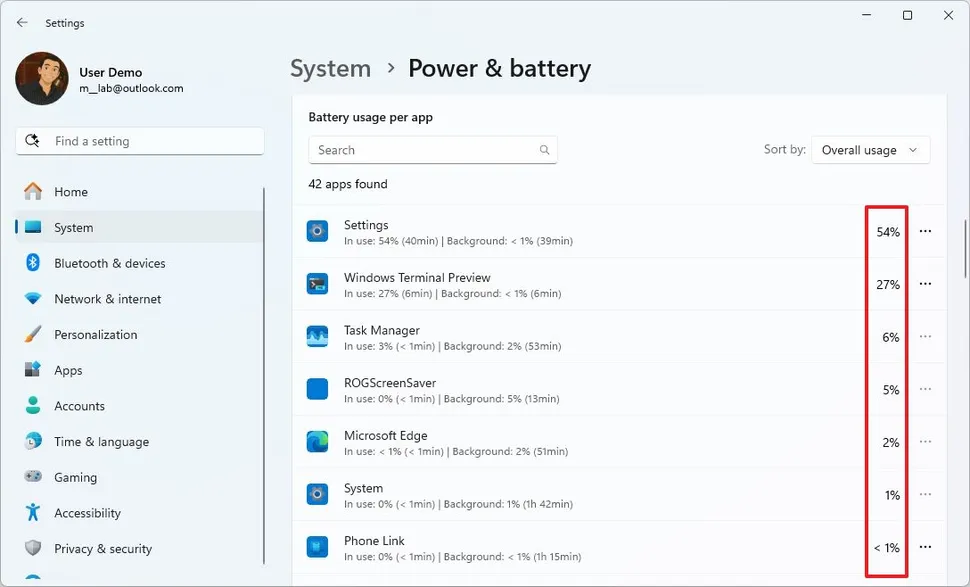
You will know which apps are draining the most battery after completing the steps.
Check Battery Usage History from Task Manager
Follow these steps: This helps you determine which apps are draining your laptop battery on Windows 11.
- Open Start.
- Search for Task Manager and click the top result to open the application.
- Click Processes.
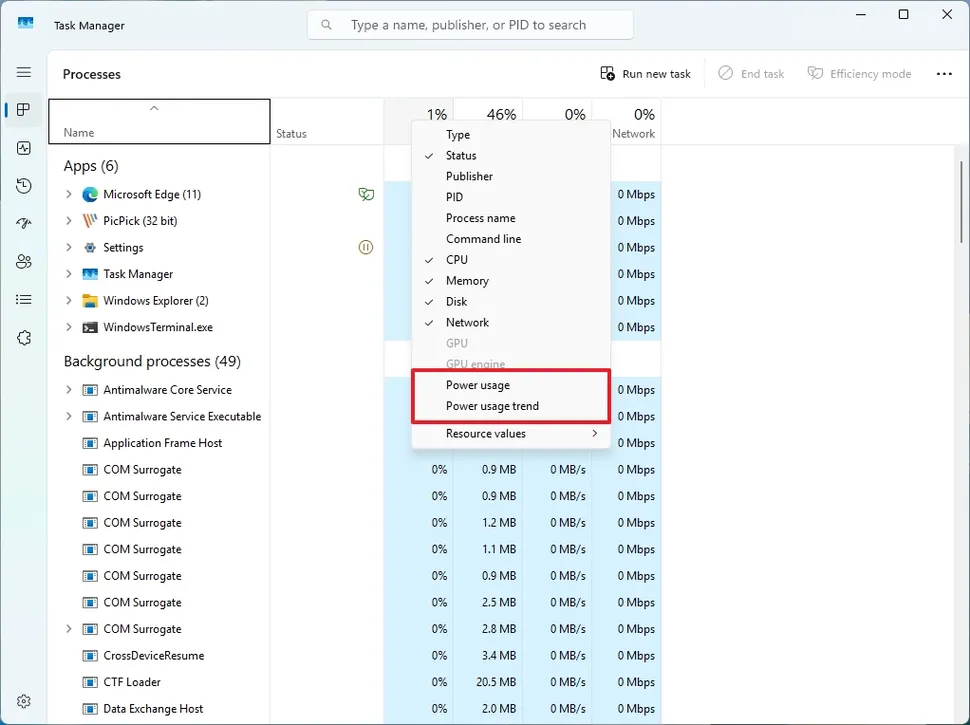
- Right-select one of the column headers and select the Power usage and Power usage trend options.
- Confirm which apps are draining the most battery.
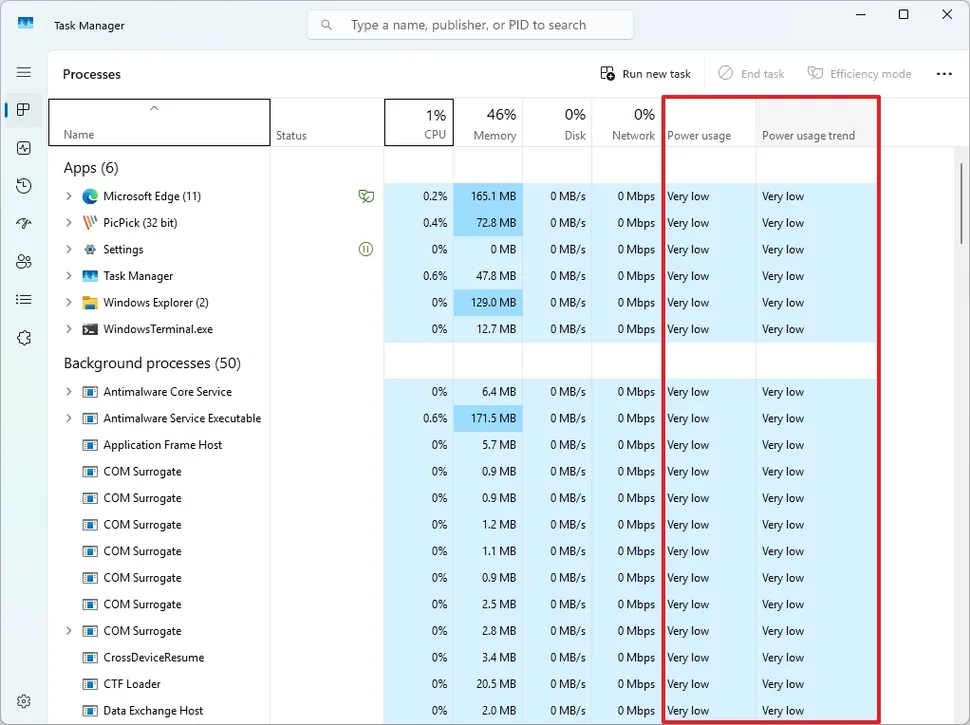
Once you complete the steps, Task Manager will give you details about which apps are consuming the most power.
You should understand the difference between "Power usage" and "Power usage trend" details if you use this method.
The Power usage column provides a snapshot of the process's current, real-time power consumption. On the other hand, the Power usage trend column provides a view of the process's average or historical power consumption over time.
A process may show "high" energy usage at a particular time due to a temporary spike in activity. However, the "energy usage trend" of that process may be "low" if the process typically consumes little energy.
Conversely, a process with "average" energy usage may have a "high" energy usage trend, indicating that the process is consistently consuming a noticeable amount of energy.
How to Improve Battery Life on Windows 11
You can follow the instructions: 10 Windows 11 settings to maximize laptop battery life if you want to extend the battery life of your Windows 11 laptop. However, there are 5 things you can do, including uninstalling battery-draining apps, turning on Energy Saver mode, changing the current Power Mode, limiting background processes, and following the suggestions available through the Energy Recommendations feature.
Change Power Mode
Follow these steps: This helps you turn on Energy Saver on Windows 11.
- Open Settings.
- Click System.
- Select the Power & battery page.
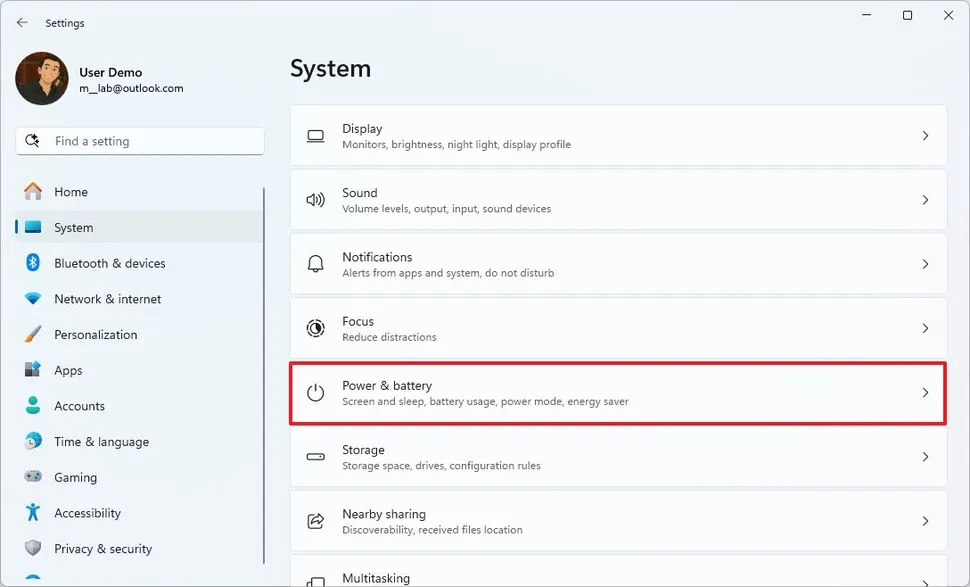
- Select Power Mode settings.
- Select the Best Power Efficiency option for the On battery setting.
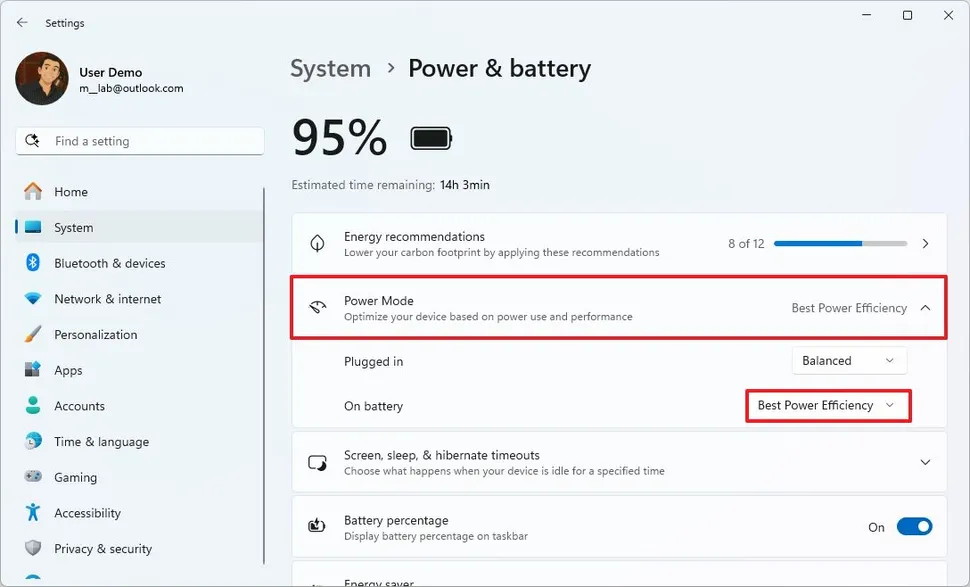
Once you complete the steps, the system will optimize power usage based on battery life instead of performance.
Turn on Energy Saver
Follow these steps: This helps you turn on Energy Saver on Windows 11.
- Open Settings.
- Click System.
- Select the Power & battery page.
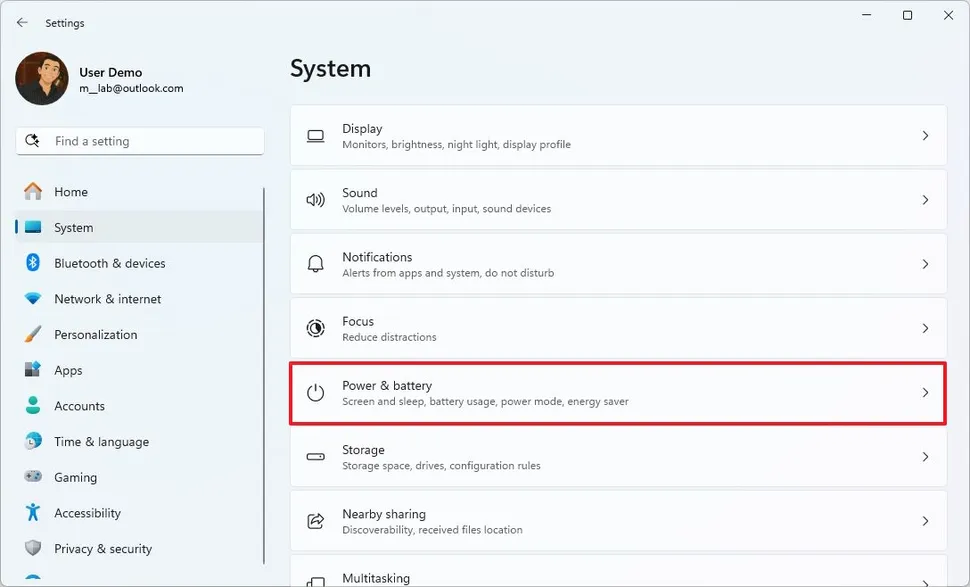
- Select Energy Saver settings.
- (Option 1) Turn on the Always use energy saver toggle switch.
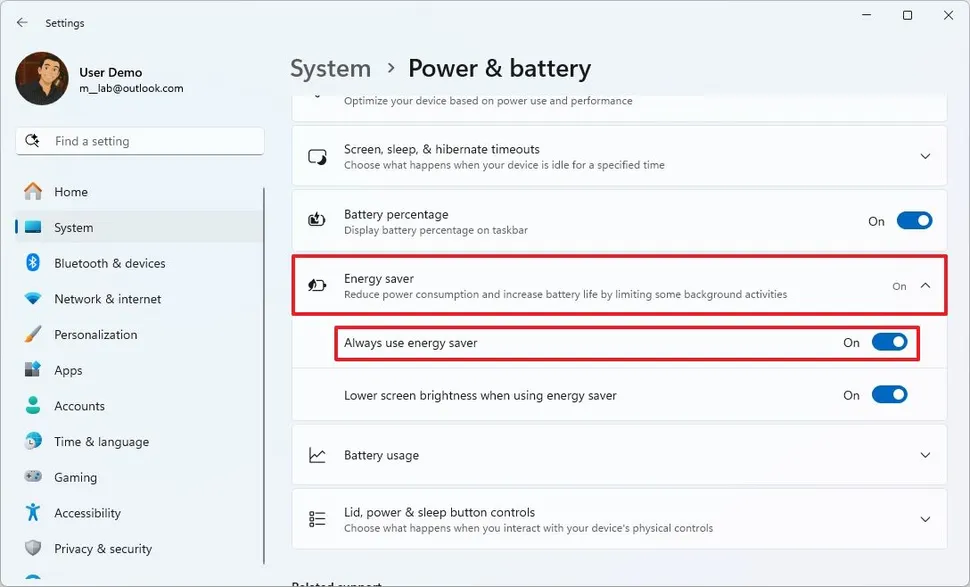
- (Option 2) Change the battery level to automatically enable the feature to a higher level.
Once you complete the steps, Windows 11 will turn off various features to improve battery life, such as background sync, progress, and features like system effects that are known to consume more power.
Additionally, the screen brightness will be reduced and the system will prioritize battery life over performance.
Energy Recommendations
Follow these steps: This helps you apply Windows 11's recommendations for saving battery life.
- Open Settings.
- Click System.
- Select the Power & battery page.
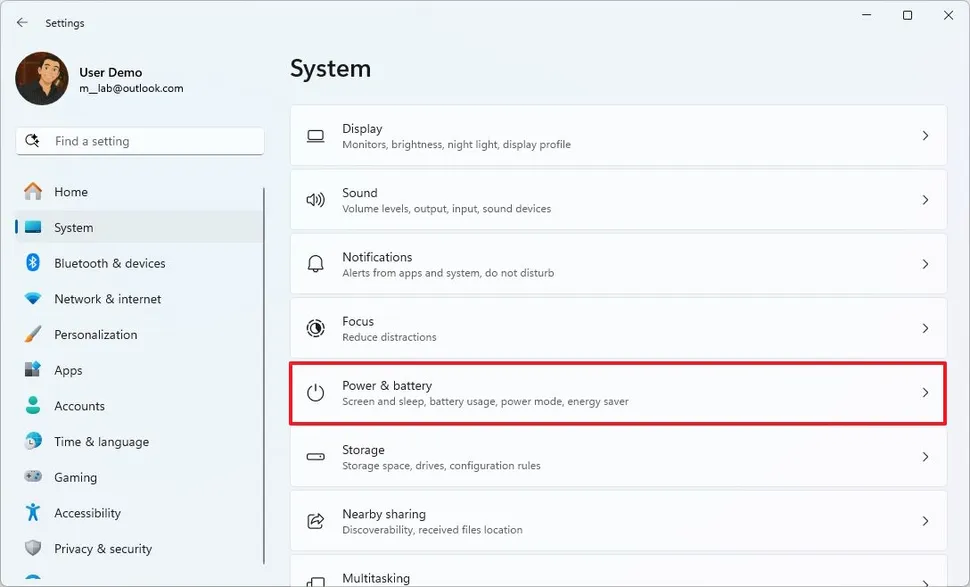
- Select Energy Recommendations settings.
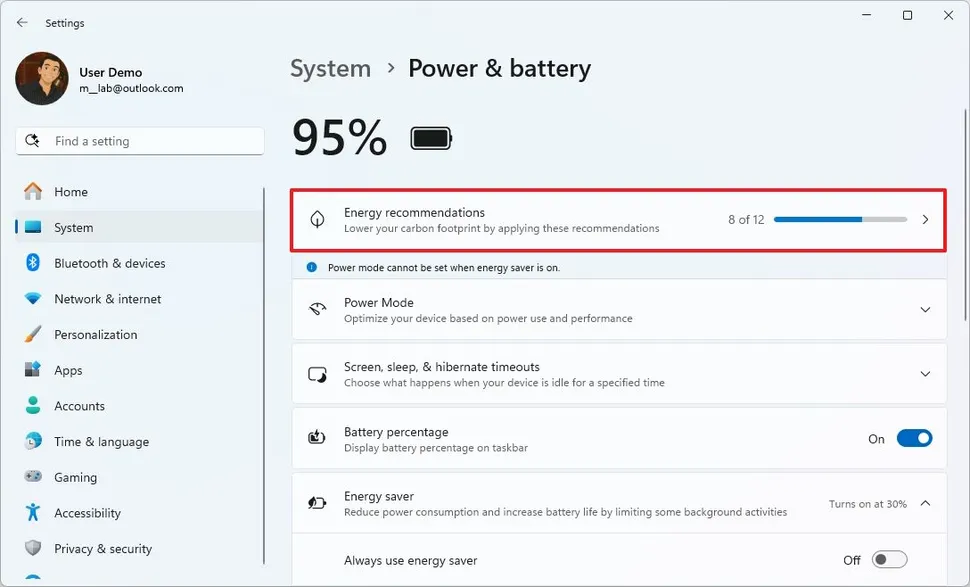
- (Option 1) Click the Apply button for the energy recommendations you want to use.
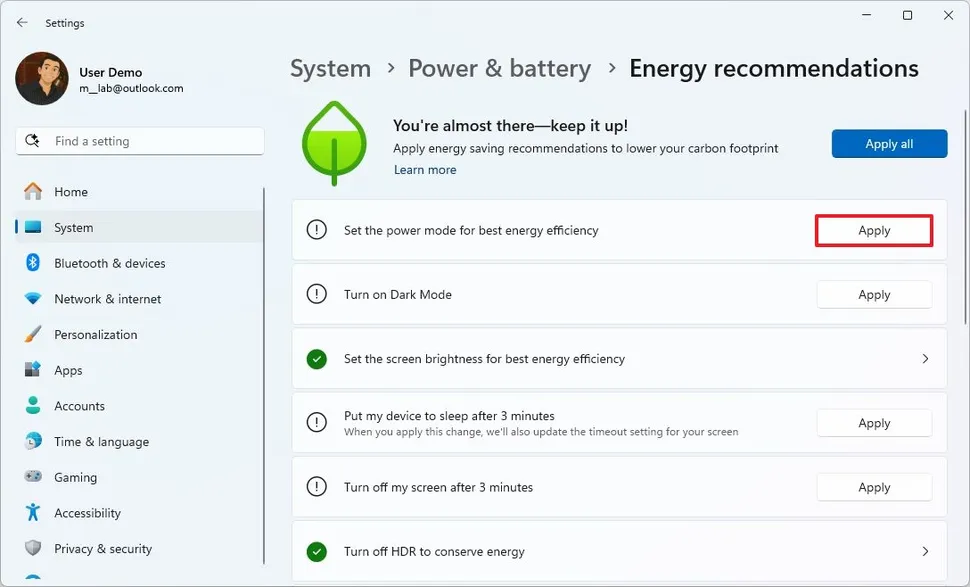
- (Option 2) Click the Apply all button to use all recommendations.
Once you complete the steps, the system will apply recommendations to improve battery life on your computer.
Restrict Background Permissions
You can restrict background permissions: if app processes are causing battery drain.
- Open Settings.
- Click System.
- Select the Power & battery page.
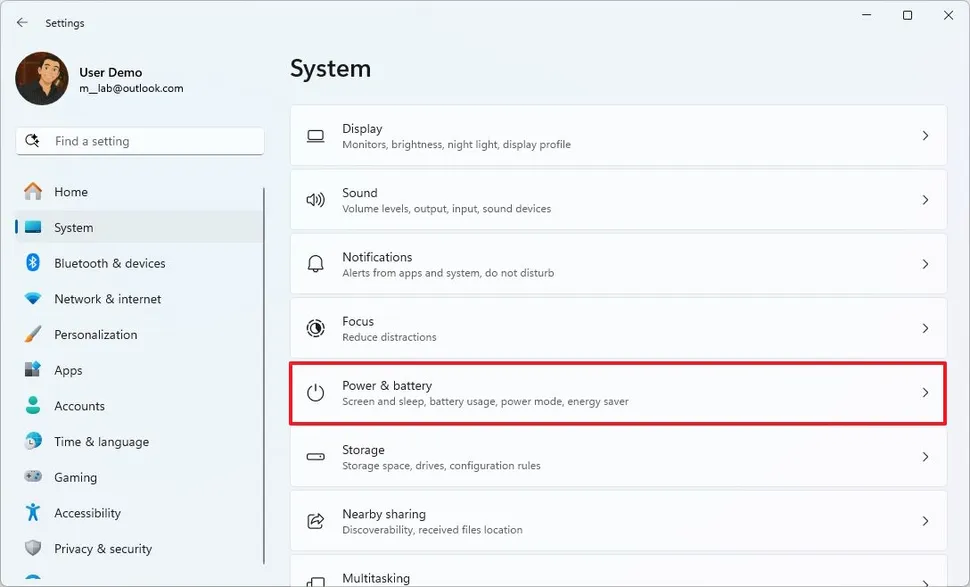
- Select Battery usage setting.
- Set the time period to Last 24 hours or Last 7 days.
- Select a section from the chart to see which apps used battery over a more specific time period.
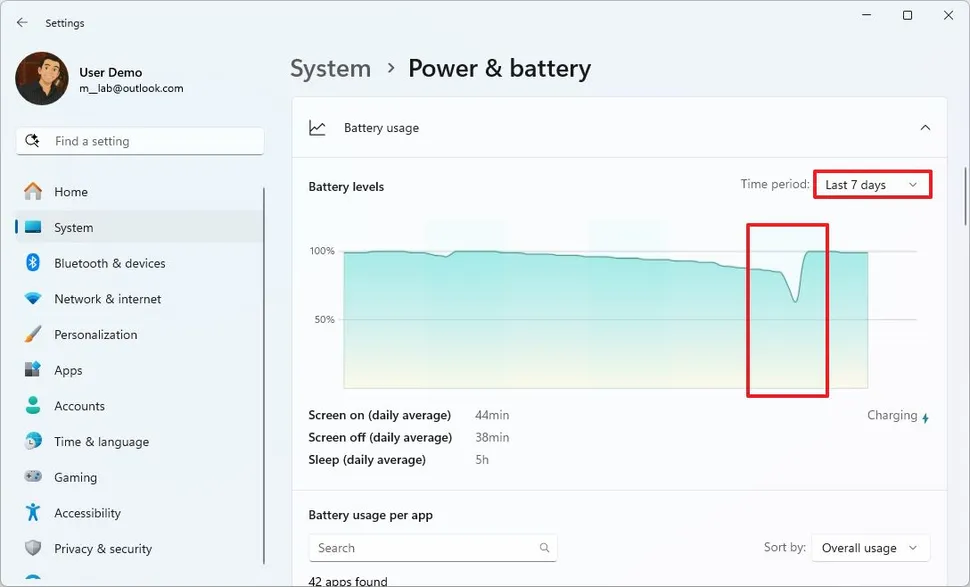
- Select Overall usage from the Sort by menu.
- Select the application you want to control.
- Select the menu button (three dots) and select the Manage background activity option.
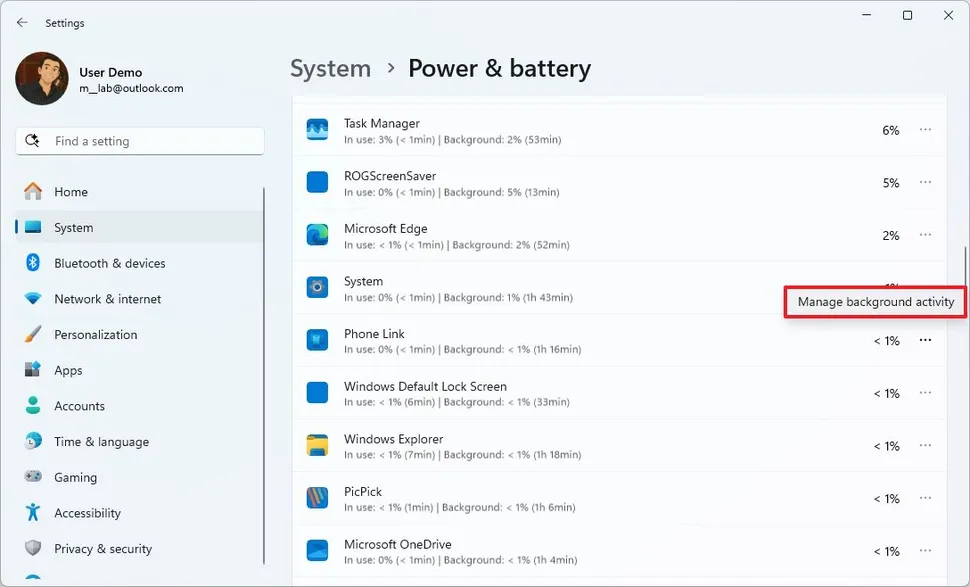
Quick Note: This option is not available for all apps.
- Select the Never option in the Background app permissions settings.
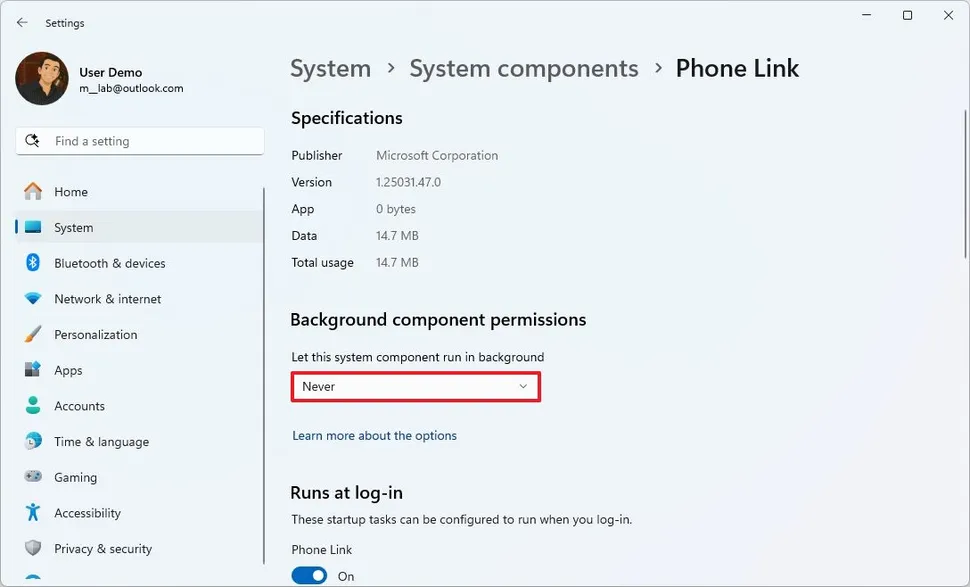
Once you complete the steps, the apps you configured with the Never option will no longer run in the background.
Uninstall the App
You can uninstall it using the following instructions: if a particular app is causing significant battery drain.
- Open Settings.
- Click Apps.
- Select the Installed apps page.
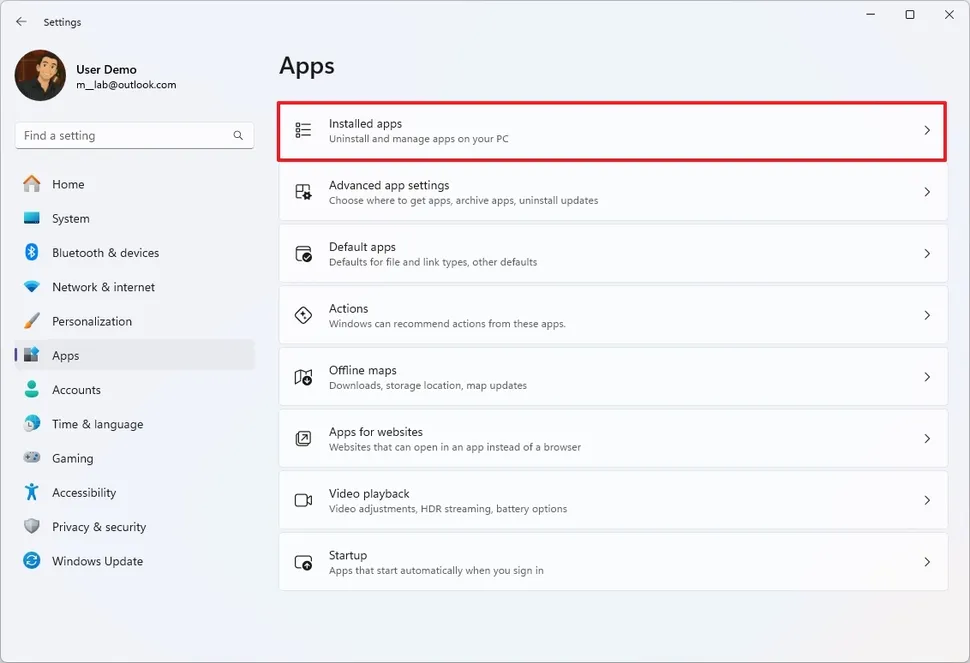
- Select the app you want to uninstall.
- Select the menu button (three dots) and select the Uninstall option.
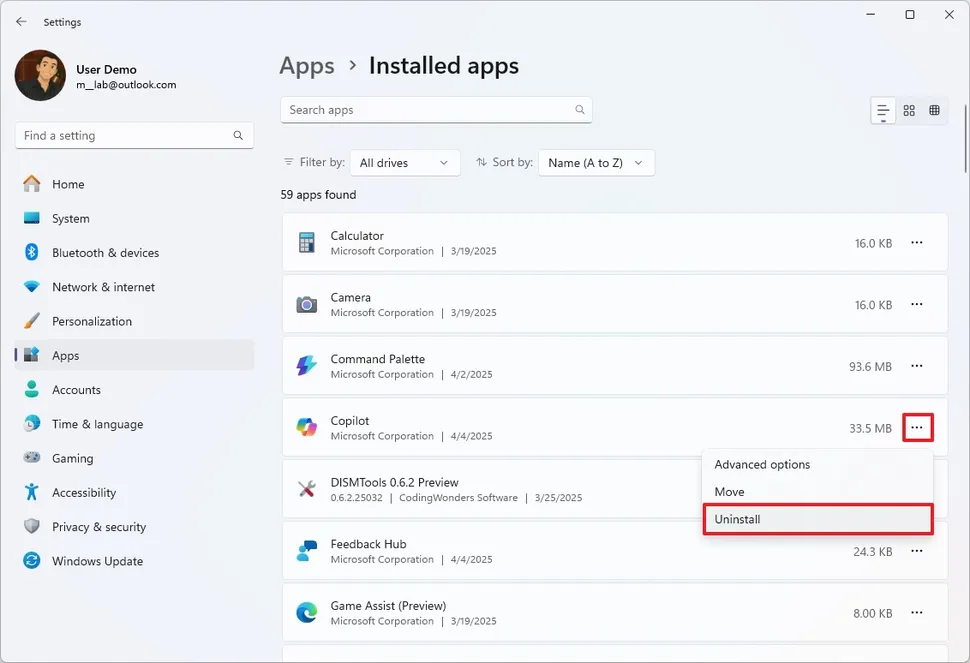
- Continue following the instructions to complete the process.
The system will uninstall the application, preventing the application from wasting system resources after completing the steps.
Final Thoughts
The most reliable way to handle check which apps use a lot of battery on Windows 11 is to follow the process in order, verify each important setting, and test the result before moving on. Use the guidance above as a practical reference, then adjust the details for your device, software version, or specific goal.
FAQ
What should I check before I check which apps use a lot of battery on Windows 11?
Use the latest available software, confirm that your device meets the requirements, and make sure you have the necessary permissions, account access, or backup before changing anything.
Why might I be unable to check which apps use a lot of battery on Windows 11?
Common causes include outdated software, missing permissions, incompatible settings, incomplete setup steps, or a temporary network problem. Recheck the process from the beginning and restart the app or device if needed.
Is it safe to check which apps use a lot of battery on Windows 11?
It is generally safe when you use official tools, review every permission, and back up important data before making system-level or account-level changes.
Related Articles
 How to Check the Battery Level of the Laptop Battery Without3 minutes read
 How to Accurately Check the Battery Health of Windows and MacBook Laptops10 minutes read
 How to Check the iPhone / iPad Battery Level Without Jailbreak12 minutes read
 How to Check Your RV Battery: Step-by-Step Guide4 minutes read
 How to Check the Battery Life of Airpods4 minutes read
 How to Manage Battery Usage for Each Application on Windows 103 minutes read
Reader Comments 0
Sign in with email or Google to join the discussion.