Table of Contents
The long-awaited HyperOS 3 software update is finally here, bringing a slew of improvements: AI-powered features, visual upgrades, better performance, and expanded multi-device connectivity. At an event in China today, Xiaomi announced all the changes in the new version, along with plans to roll them out to smartphones, smartwatches, and smart TVs.
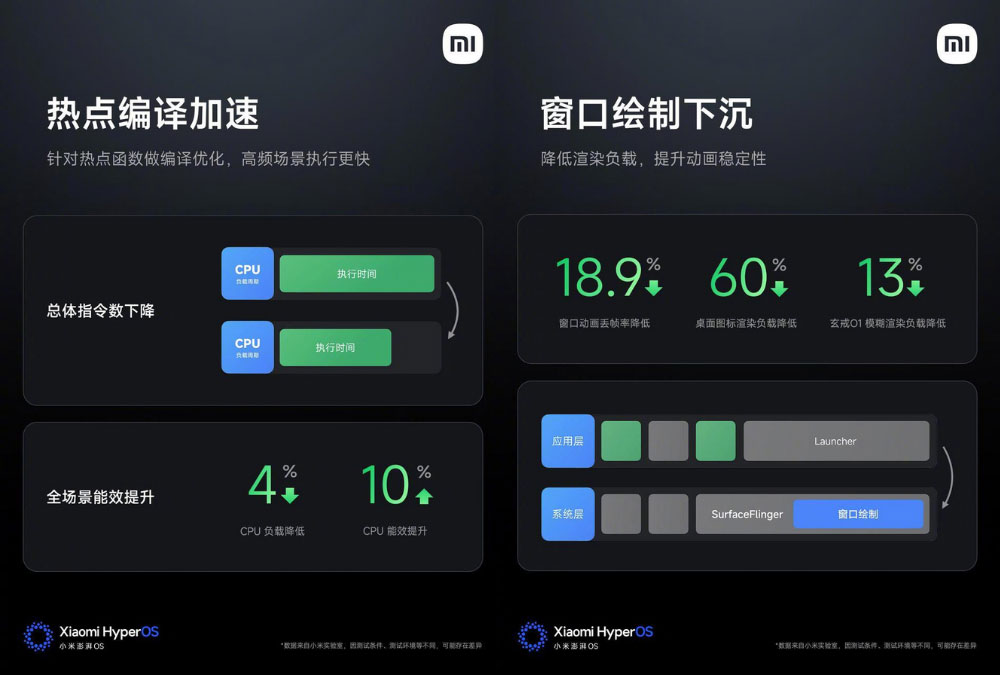
HyperOS 3 builds on last year's HyperCore platform, with a number of major performance improvements. According to Xiaomi, CPU load has been reduced by 4%, power efficiency has been increased by 10%, and frame loss has been reduced by nearly 19%. The system also adds a new scheduling mechanism that enables hot swapping and comprehensive graphics alignment, which should significantly improve the gaming experience. Users will notice 21% faster app launch, 10% smoother video playback, and a 9% reduction in touch response latency.
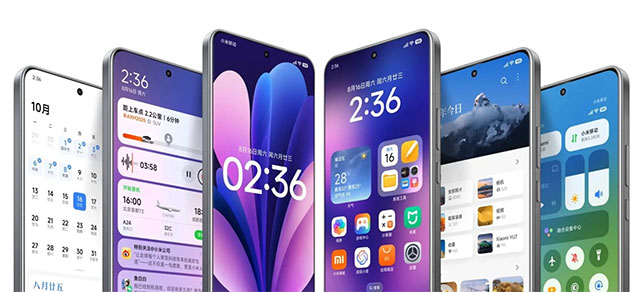
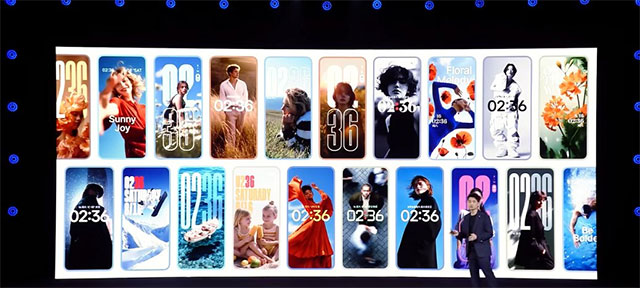
Xiaomi has not only upgraded performance, but also paid attention to the visual aspect. HyperOS 3 brings 'Xiaomi Super Island' - a dynamic center that displays many activities and live notifications, integrating more than 70 different services. There are also AI dynamic wallpapers with depth effects, redesigned icons and screen grids, a cinematic lock screen, and an intuitive wallpaper editing interface. The Photo Album app also adds smart search and a feature to automatically group pet photos.
Artificial intelligence plays a big role in this update. The virtual assistant Super XiaoAi is now able to 'understand' the content displayed on the screen to provide appropriate responses. Users can even circle a piece of content to trigger instant actions such as searching, translating or sharing – similar to Google Circle to Search.
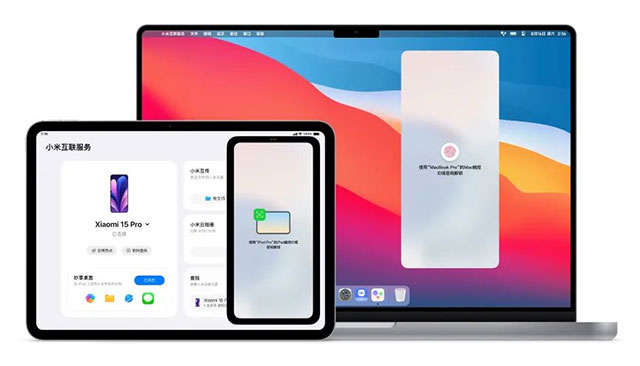
Connectivity between devices in the Xiaomi ecosystem has also been taken to a new level. Users can open up to 3 mobile application windows on their Mac, unlock their phone with Touch ID or Face ID, quickly share files, and view photos right on their iPhone.
In terms of security, HyperOS 3 adds two-factor authentication when logging into accounts on multiple devices, enhances data protection, and allows tighter control over application access. Notably, users can still locate a lost device even when it is powered off.
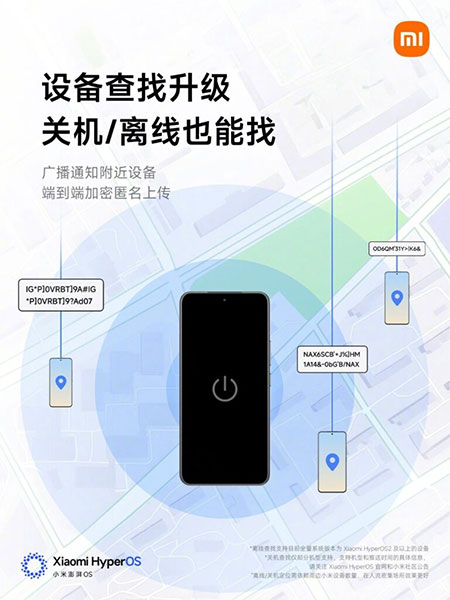
HyperOS 3 is not just an update, but also a big step forward for Xiaomi in combining AI, optimizing performance and expanding cross-platform connectivity.
Xiaomi will start rolling out the HyperOS 3 beta on August 29 for select devices, then gradually expand it in the following days and weeks.
Phase 1 (from August 29)
- Xiaomi 15 Ultra
- Xiaomi 15S Pro
- Xiaomi 15 Pro
- Xiaomi 15
- REDMI K80 Pro
- REDMI K80 Ultimate Edition
- Xiaomi Pad 7S Pro 12.5
- Xiaomi Pad 7 Pro
Phase 2 (before September 17)
- Xiaomi MIX Flip 2
- REDMI K80
- Xiaomi Pad 7 Ultra
- Xiaomi Pad 7
- REDMI K Pad
- Xiaomi TV S Pro Mini LED 2025 Series
- Xiaomi TV S Pro Mini LED Series
Phase 3 (before September 30)
- Xiaomi MIX Fold 4
- Xiaomi MIX Flip
- Xiaomi 14 Ultra / Titanium Special Edition
- Xiaomi 14 Pro / Titanium Special Edition
- Xiaomi 14
- REDMI K70 Pro / K70 Ultimate Edition / K70 / K70E
- Xiaomi Pad 6S Pro 12.4
Note: This is a beta roadmap for the Chinese market, not yet available for other regions.
Final Thoughts
The development covered in this article is worth following, but specifications, dates, and feature details may change until the relevant company or organization publishes an official confirmation.
FAQ
What is the main development covered in this article?
The long-awaited HyperOS 3 software update is finally here, bringing a slew of improvements: AI-powered features, visual upgrades, better performance, and expanded multi-device connectivity.
What should you know about Phase 3 (before September 30)?
Note: This is a beta roadmap for the Chinese market, not yet available for other regions.
Is every reported detail officially confirmed?
Not necessarily. Product leaks, preview builds, research reports, and early announcements can change. Confirm important specifications, dates, and availability through an official source before making a decision.
Related Articles
 Xiaomi Officially Introduced HyperOS: Super Light, Supports Many AI Features4 minutes read
 Xiaomi Begins Official Testing of HyperOS 2.04 minutes read
 Xiaomi Confirmed the Launch of HyperOS Instead of MIUI on Xiaomi 14 Explained3 minutes read
 HyperOS or One UI 6.1 Is the Top Customized Android Version Available : Top6 minutes read
 How to Install Qt Sdk on Microsoft Windows14 minutes read
 Xiaomi Mi Band 4 Officially Launched, Adding New Features, with4 minutes read
Reader Comments 0
Sign in with email or Google to join the discussion.