Table of Contents
Don't rush to make your sheets and fold your blankets after getting out of bed. They can harbor uninvited guests. Here's why you shouldn't make your bed right after waking up.
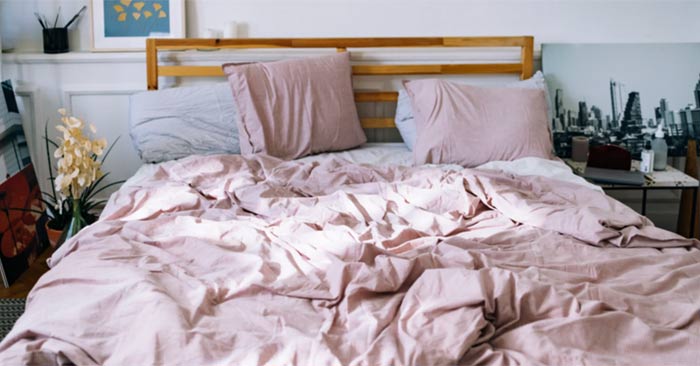
Making your bed as soon as you wake up may seem like a sign of a productive morning. However, according to Real Simple, it can actually trap moisture, heat, and dust mites. The result? An unsanitary sleeping environment, which can lead to poorer sleep quality.
As you sleep, your body naturally produces sweat and heat, which is absorbed into your bedding. Sheets, blankets, and even mattresses can retain that moisture, especially during hot months. When you make your bed right away and fold everything neatly, waste gets trapped under the covers. This creates a moist, enclosed environment that dust mites love. These tiny, insect-like creatures feed on dead skin cells and thrive in warm, moist conditions, such as sweaty sheets and blankets that are folded neatly after getting out of bed.
Also, according to the Asthma and Allergy Foundation of America, dust mites are one of the most common household allergens, and they can even aggravate asthma or trigger allergy symptoms in sensitive people. A bed that is covered and sealed before moisture has a chance to evaporate becomes an ideal breeding ground for them.

The best time to make the bed
Many hygiene experts and sleep experts recommend pulling the sheets off and letting your bed 'breathe' for at least 30 to 60 minutes each morning. According to Real Simple, this allows heat and sweat to escape, which helps keep your bedding drier and less prone to dust mites and bacteria. If possible, open a window or use a fan to promote air circulation and speed up the drying process. And it's not just dust mites that are a problem. Damp bedding can also lead to the growth of bacteria, mold, and odors.
You shouldn't give up making your bed altogether, though, so don't take this as a sign to ditch the covers. Remember that a little "breathing" space can go a long way toward keeping your sleep environment clean and healthy. In fact, a study by the National Sleep Foundation found that people who made their beds were 19% more likely to sleep well.
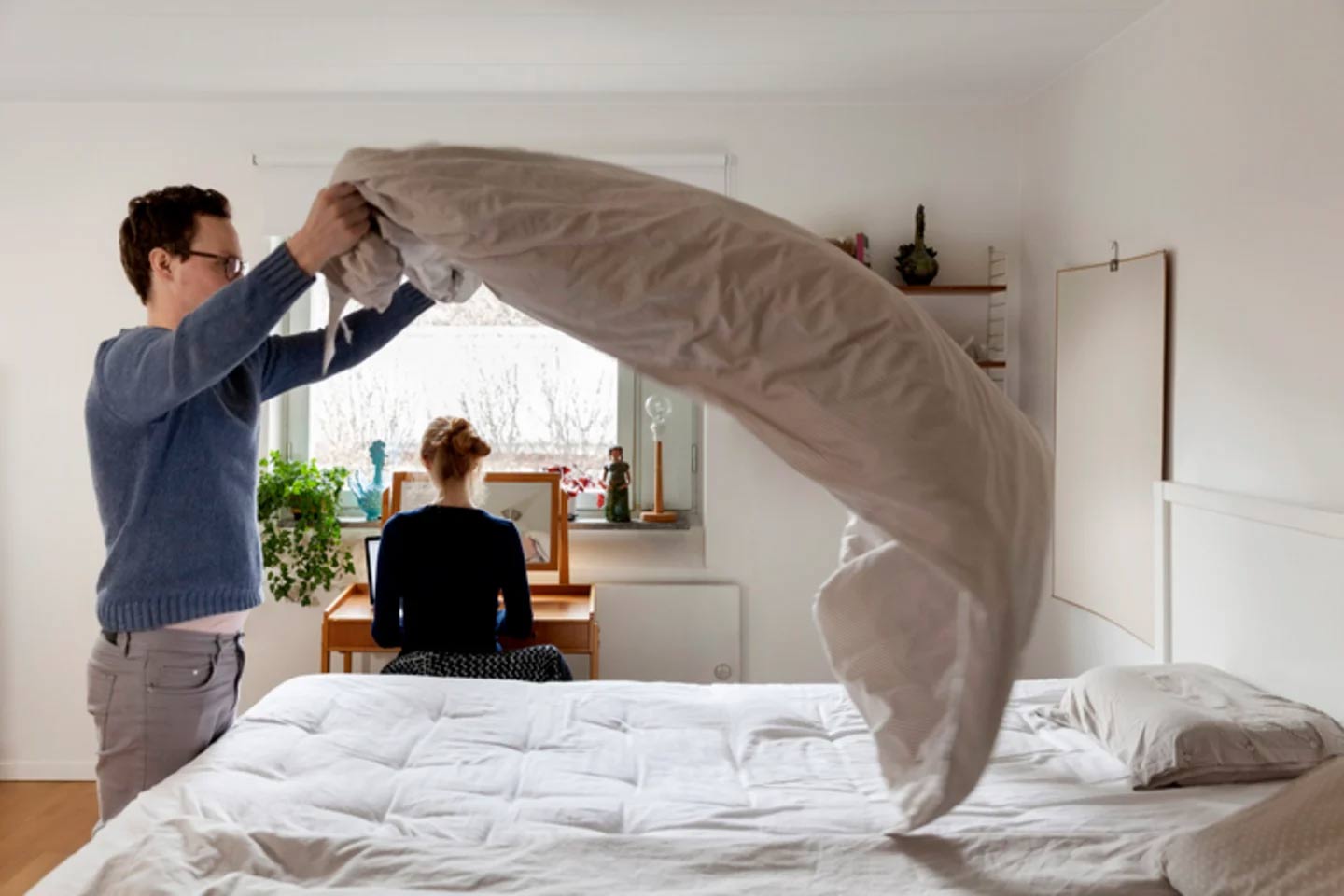
Bottom line: Don't give up making your bed completely — just delay it a little. That way, you still get the satisfaction of a tidy room, an allergen-free bed, and a better night's sleep.
Final Thoughts
The key takeaway is that Why Shouldn't You Make Your Bed Right After Waking Up is easier to evaluate when its benefits, limitations, and real-world use are considered together. Review the details above before applying the information to a specific situation.
FAQ
What is the main point of Why Shouldn't You Make Your Bed Right After Waking Up?
Don't rush to make your sheets and fold your blankets after getting out of bed. They can harbor uninvited guests. Here's why you shouldn't make your bed right after waking up.
What should you know about The best time to make the bed?
Many hygiene experts and sleep experts recommend pulling the sheets off and letting your bed 'breathe' for at least 30 to 60 minutes each morning.
What limitations should readers keep in mind?
The answer can depend on the product version, source, use case, and date of publication. Review the article's context and confirm time-sensitive details before applying the information.
Related Articles
 How to Enable // Prevent Device from Waking Windows 10 Computer4 minutes read
 Things to Do When Waking Up to Have Good Blood Sugar6 minutes read
 Do Not Sleep While Sleeping and This Is the Reason4 minutes read
 6 Best Sleep Monitoring and App Apps on iOS7 minutes read
 What if You Drink Water as Soon as You Wake Up7 minutes read
 How to Disconnect Yourself from Electronics7 minutes read
Reader Comments 0
Sign in with email or Google to join the discussion.