Table of Contents
This updated guide examines 7 Measures to Enhance Security for E-wallets You Should Not and organizes the essential facts, background, and practical takeaways in clear American English.
Before answering the above question, let's look back at the history of these wallets. The e-wallet has recently 'migrated' to this list of payment methods and is considered the future of real-world payment technology. They are much faster and more convenient than traditional payment methods. The electronic wallet revolution started with NFC, but now some companies are working on using other technologies such as Wifi, Bluetooth, and even QR codes to replace NFC technology.
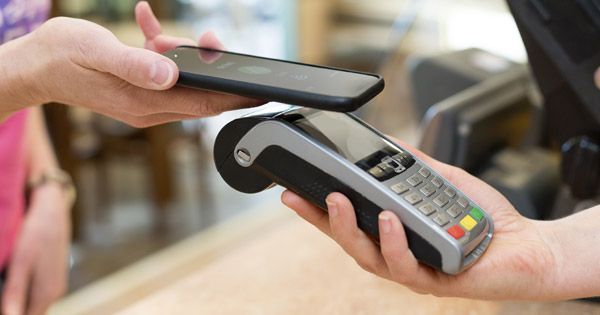
Although e-wallets are highly encrypted when storing consumer data, e-wallet security is still a barrier for the public to receive it. From payment companies to social networks, gaming communities, Internet search engines and telecom operators may be processing and sharing your financial account information and identity, so anti-fraud, privacy protection, account is more important than ever. Here are 7 important security measures to increase safety for e-wallets.
1.Set thepassword for the device.
The first electronic wallet security measure that users should apply is to set a password on phones, tablets and other devices. To ensure the safety of the device, users should also apply additional security measures.
2. Use a secure network connection
Always connect to a trusted network, avoid using public Wi-Fi networks. Safe Wifi connections often require a password and use the "WPA or WPA2" protocol. Unsafe Wi-Fi networks are often open to multiple users and may be labeled with "WEP" connections.
- Wireless security: Say NO to WEP and YES to WPA
3. Install applications from trusted sources
A free game may not be just a game, it is designed to illegally collect users' personal data. When downloading an application, see user reviews for consideration before downloading to the phone.
4. Keep itsafefromsafepeople
Never share sensitive data or information with people you don't trust such as providing an email address, phone number, or other important personal information. Financial service providers and support staff will never ask for personal information such as passwords or payment account numbers.
5.Bvirtual secret doesnotlog in
Avoid recording information used to access e-wallets in conspicuous places or storing in a file that is not password protected or encrypted. If no one can view and use your information illegally.
- How to be able to encrypt and protect files or folders?
6. Create a unique password forthe e-wallet
Avoid using the same password for email or social networking accounts like Facebook, Twitter, etc. for e-wallets. Using the same password for all accounts increases the risk of unauthorized access. Instead, users should use a single password that is easy to remember, but still difficult to guess for electronic wallets.
7. Identifythecontact whenaproblemoccurs
Make sure you know the fastest way to resolve any issues that arise and who is responsible for solving fraudulent accounts. For example, as in the case of your phone being lost or stolen, the individual cards in the electronic wallet will be lost and the account is hacked.
These e-wallet security measures are simple and can save you money and data loss. For organizations, companies that use this e-wallet should ensure safety when end users enter confidential information to buy products.
See also: Use e-wallet effectively
FAQ
What is 7 Measures to Enhance Security for E-wallets You Should Not about?
It provides a structured overview of e-wallet security, explains the main context, and highlights practical takeaways for readers.
Why does this topic matter?
Understanding the main concepts helps readers evaluate the issue, avoid common mistakes, and make better-informed decisions.
How should readers use this information?
Use the guidance as a practical starting point, confirm details that may have changed, and follow current product, safety, or security recommendations.
Related Articles
 Measures to Enhance Security on the Ipad10 minutes read
 10 Nginx Rules to Enhance Wordpress Security6 minutes read
 5 Safety Tips for Smartphone Wallet Apps7 minutes read
 3 Chrome Extensions Enhance Your Security and Safety7 minutes read
 Opera Wants to Be the First PC Web Browser in the World to Integrate Electronic Wallets4 minutes read
 Windows 10 Features Help Increase Computer Security6 minutes read
Reader Comments 0
Sign in with email or Google to join the discussion.