Table of Contents
A Windows debloat script can save clicks, but a single preset may remove apps, change settings, and affect other accounts at the same time. If your goal is to remove a few apps or speed up sign-in, Windows gives you narrower controls.
What a debloat script changes
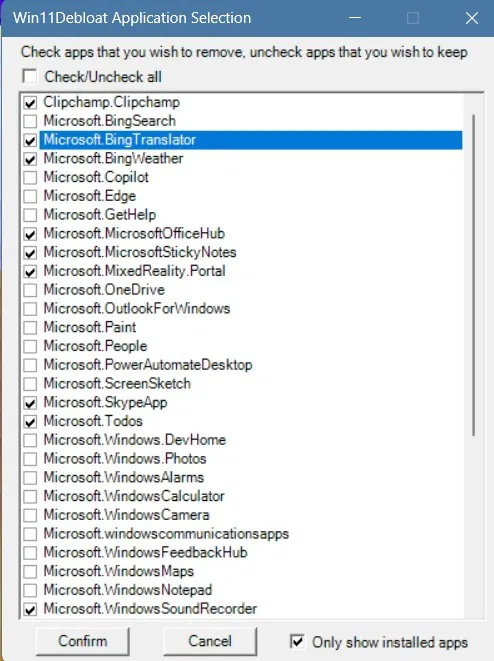
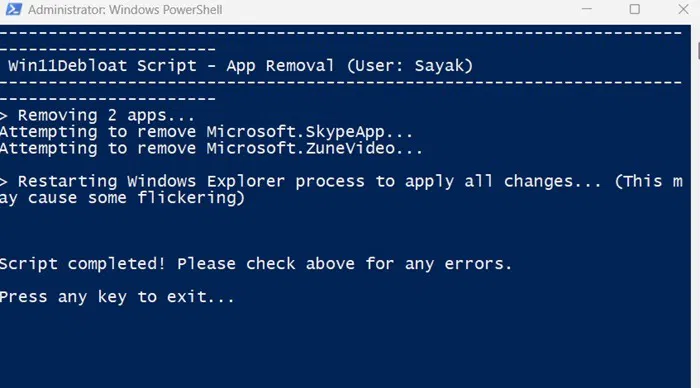
These utilities often automate PowerShell commands. Depending on the script, they can remove packages, modify policies, or turn off startup tasks. The screenshots show one tool’s selection menus. Review the specific actions in any preset before making a decision.


An app another person calls bloat may be useful to you
A preset can remove something you rely on, such as Quick Assist, a codec, or a manufacturer utility. Check whether the change applies just to your account, affects other users, or removes provisioning for new accounts.
Broad changes complicate troubleshooting
After many unrelated changes, it can be hard to tell why a feature stopped working. An access error is a reason to pause and read the change, not a reason to weaken Windows protections. Keep Windows Update and your antivirus active.
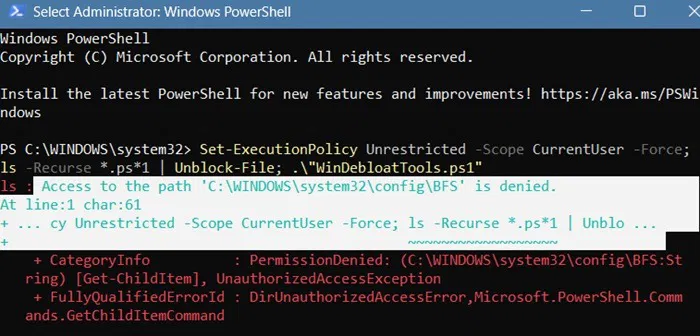
Elevated scripts have broad access
Check who maintains the script, which version you are reviewing, and whether it downloads or runs additional code. A familiar project name alone does not verify the copy you found. Avoid running an unfamiliar script directly from a pasted command.
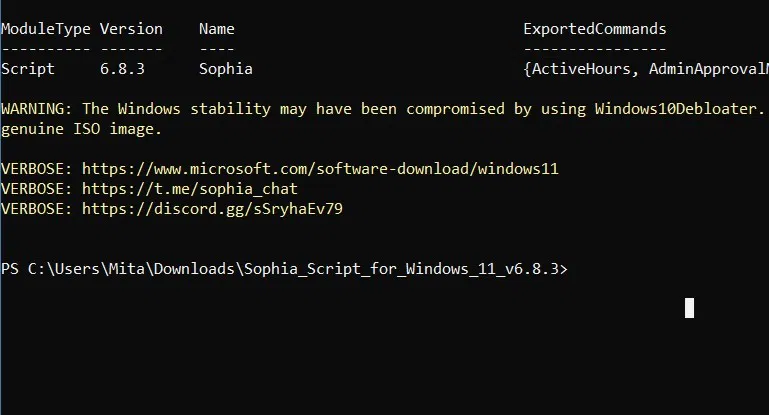
Use Windows settings for a targeted cleanup
Open Settings → Apps → Installed apps to remove software you recognize. Use Task Manager → Startup apps if you only want it to stop launching at sign-in. Make one change and check the result. If you already used a script and something broke, check its undo instructions or restore options before making more changes.
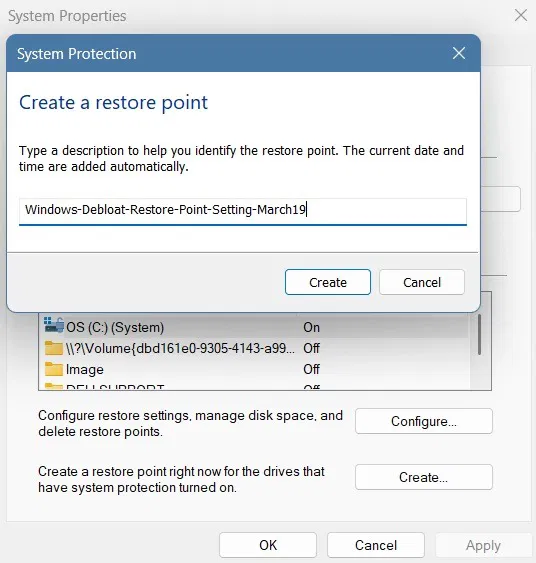
See Microsoft’s supported app removal methods for the built-in options.
Related Articles
 What is Bloatware? How to remove Bloatware?
 3 Reasons to Remove Unwanted Apps from Windows
 3 disadvantages of removing bloatware on Windows 11
 4 Most Famous Windows Bloatware Apps
 AdwCleaner 7.4 was officially launched, adding the ability to remove bloatware from Windows
 Remove all Bloatware apps on Samsung Galaxy S7 and S7 Edge
Reader Comments 0
Sign in with email or Google to join the discussion.