Table of Contents
A black screen can result from a display connection problem, a Windows sign-in or desktop issue, a failed update, or a hardware fault. First note whether the monitor shows a cursor, sign-in screen, manufacturer logo, or “no signal” message; the stage where the image disappears helps narrow down the cause.

Check the display and connections
- Make sure the monitor is powered on and set to the correct input.
- Reconnect the video cable at both ends and try another cable, port, or monitor if available.
- On a desktop with a separate graphics card, connect the monitor to the graphics card’s output.
- On a laptop, raise the brightness and disconnect docks or external displays to check whether the built-in screen returns.
If the screen is black after sign-in
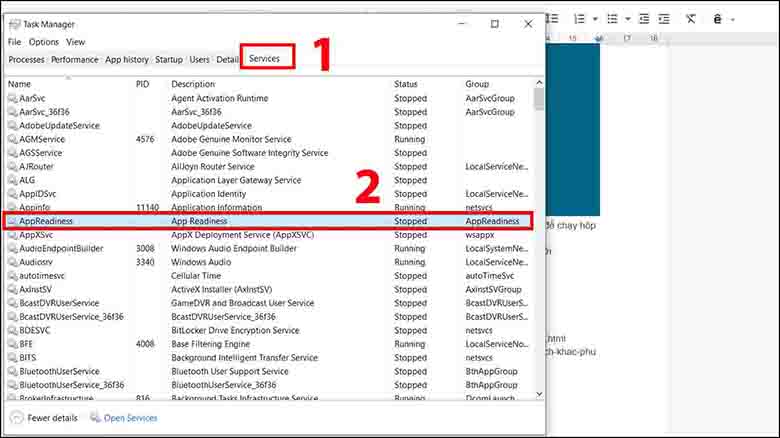
Press Ctrl + Alt + Delete. If the security screen appears, open Task Manager. Choose Run new task, enter explorer.exe, and press Enter. If the desktop returns, check recently installed apps and startup items. Do not disable system services at random; this can cause other Windows features to fail.

If the problem began after an update
If Windows reaches its sign-in screen, restart and allow any update to finish. If it repeatedly returns to a black screen, use Windows Recovery Environment: at the sign-in screen, hold Shift while selecting Power > Restart. Then choose Troubleshoot > Advanced options and try Startup Repair. If the issue started immediately after an update, an uninstall-update option may be available.
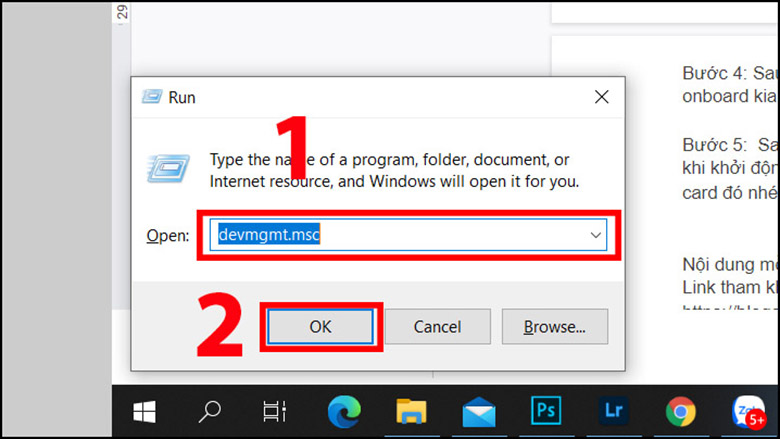
When Windows starts again, install updates through Windows Update. If the problem began after a graphics-driver change, use Device Manager to roll back that driver if the option is available, or obtain a compatible driver from the computer or graphics-card maker.
When the screen stays black before Windows loads
If no manufacturer logo appears, or another monitor also shows no signal, the cause may be the display, cable, graphics hardware, memory, or power. Avoid disabling graphics adapters or opening the device unless you know how to restore the configuration safely. Laptop repairs and internal component checks are best left to a qualified technician if you are unsure.
A hot computer may shut down to protect itself, but a black screen by itself does not prove overheating. Keep vents unobstructed and power the device off if it becomes unusually hot, smells burnt, or repeatedly shuts down. Seek repair help rather than replacing thermal paste or removing memory without the right experience.
A Windows license warning is a separate issue and is not a general cause of a black screen. Avoid commands or unofficial tools that claim to bypass activation. If the screen remains blank after checking the display and recovery options, back up data when possible and contact the device maker or a repair professional.
Related Articles
 How to fix Windows 11 black screen error
 How to transfer computer screen to black and white on Win and macOS
 How to fix black iPhone screen, no image at home
 How to fix black computer screen error on Windows 10
 Why is the screen often black and flashing when filming?
 How to fix, fix Windows 10 black screen error
Reader Comments 0
Sign in with email or Google to join the discussion.