Table of Contents
This article explains When You Can't Refuse a Friend Request on Facebook in clear American English, including how it works, why it matters, and the key details readers should understand.

So what to do if I get a friend request from an acquaintance in the office, an old classmate, someone I've met and interacted with a few times. but not close enough to make friends, even if make friends on Facebook?
Quick Adsense WordPress Plugin: http://quickadsense. com/Here is one way you can apply to keep a good relationship and protect your privacy with new acquaintances.
When you receive an invitation to make friends from an acquaintance you do not want, you can refuse or or select Other to decide later, and the other party will receive a notification waiting for you to accept. 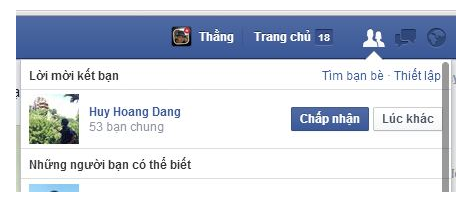 If there is no other way (maybe you meet them and they repeat this), click Accept , but put in the Restricted list.
To do this, go to their profile page, drag the mouse to the Friends button located on the cover image, a list of options appears and select Add to list .
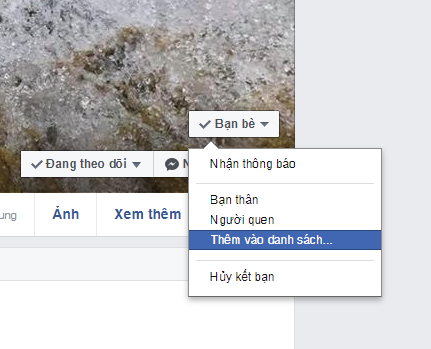
Then select Restricted . 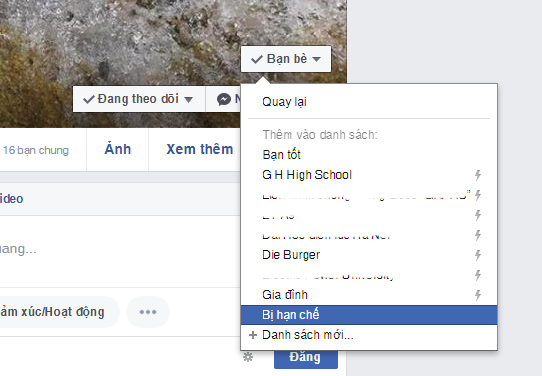 The purpose of this is that they are only allowed to access and view your photo, status if it is set to Public , like an unfriended friend can do. And of course they won't see the images you share with your true friends.
And if you also do not want to see their status updates, photos. click Following to cancel. So from now on, you will no longer see their updates on your homepage.
To be able to update again, click Follow . To allow them to view all of their statuses and photos as a normal friend, select Friends / Add to list / select Restricted , doing so to disable this feature.
Have fun with this little trick!
ShareitFAQ
What does When You Can't Refuse a Friend Request on Facebook mean?
When You Can't Refuse a Friend Request on Facebook refers to the main concept explained in this article, including how it works, why it matters, and the details users should understand.
Why is When You Can't Refuse a Friend Request on Facebook important?
It can affect how users choose a tool, complete a task, solve a problem, or understand the topic more accurately.
Where can I find the most useful details?
Review the main sections, examples, images, and key notes in the article for the most practical information.
Related Articles
 How to Block All Friend Requests on Facebook: Clear Instructions5 minutes read
 How to Cancel Your Facebook Batch with Friend Remover Pro5 minutes read
 How to Check the List Sent Friends Invitation on Facebook2 minutes read
 How to Cancel a Friend Invitation on Facebook in the Fastest3 minutes read
 6 Ways to Identify 'Virtual Friends' on Facebook Social Networks3 minutes read
 How to Block Facebook Friends, Hide the Friend Button and Follow5 minutes read
Reader Comments 0
Sign in with email or Google to join the discussion.