Table of Contents
If a memory card will not open or format, first decide whether the files matter. Formatting erases data, and repair attempts can make recovery harder. If the card contains important files, stop using it, do not save anything new to it, and copy recoverable files or contact a reputable data-recovery service before attempting repairs.
Check the card and reader first
- Remove and reinsert the card. Check the card and reader for visible damage, dirt, or a bent connector; do not scrape contacts or force the card.
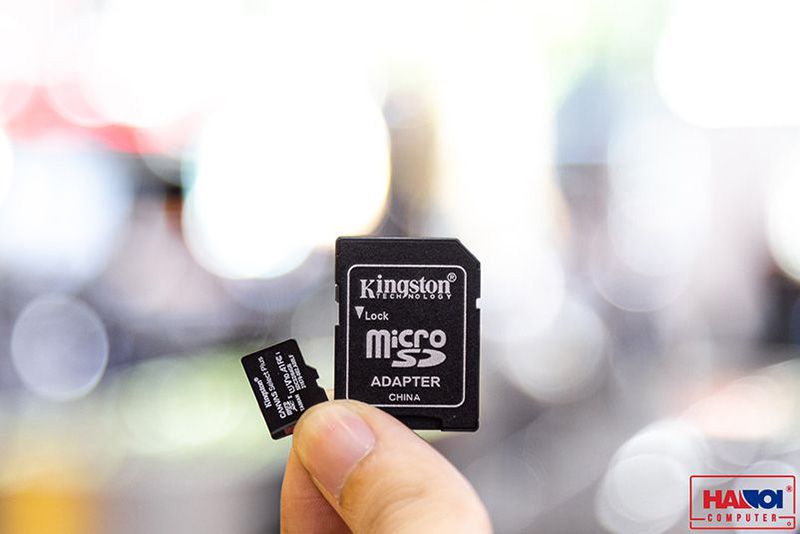
- If using a full-size SD adapter, check that its physical lock switch is in the unlocked position. This switch can be loose or the reader may not detect it consistently.
- Try a different compatible card reader or device. If the card works elsewhere, the first reader, port, or device may be the problem.
- Check the camera or device manual for supported card type, capacity, and file system. A device may reject a card it does not support.

If files are readable, copy them before repair
Copy important files to a different drive and open a few copies to confirm they are usable. Do not move the only copy. If Windows or macOS offers to scan, repair, or format the card, decline until the data is backed up.
See TipsMake’s guide to saving files to removable storage for basic file-copy precautions.
Format only when you no longer need the card’s existing data
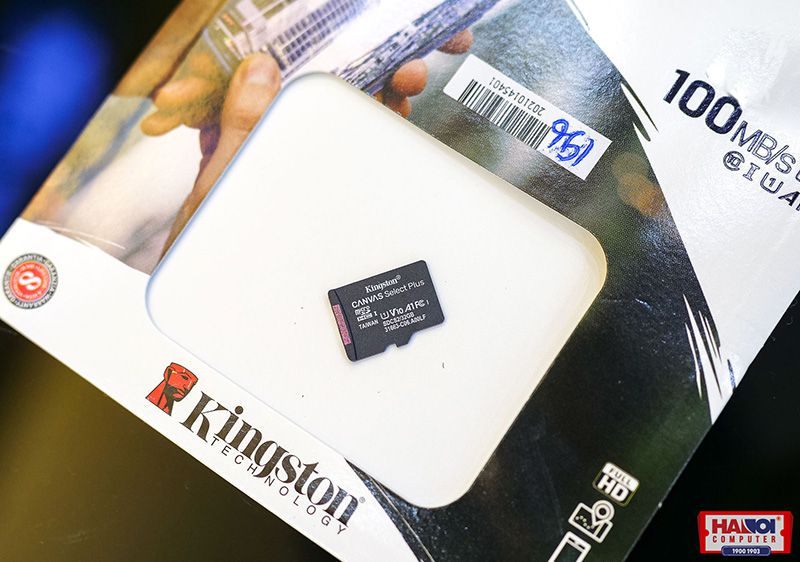
Formatting deletes the card’s contents. After backing up or confirming there is nothing to keep, use the camera or device’s own format option when the card is intended for that device. Otherwise, format it in the computer using a file system supported by both the card capacity and the device. See how to format a memory card in Windows. Double-check the selected drive before confirming.
When formatting still fails
- Try a different compatible reader or computer, and restart the device before another attempt.
- If the card is readable but reports write-protection, check the adapter lock and device settings. Do not use random registry or command-line fixes.
- A repeated I/O error, disappearing card, or unreadable capacity can indicate a failing card or reader. Stop repeated formatting attempts if data matters.
- If the card contains no needed files and fails in multiple known-good readers, it may be damaged and require replacement.
Windows chkdsk and macOS file-system tools can modify a damaged file system. They are not a first step when recovering files. Use them only after a backup or when you accept the risk to the card’s data.
Replace a failing card
Memory cards can fail without warning. Keep another copy of photos and documents, and replace a card that repeatedly disconnects or returns read/write errors. Do not rely on a single memory card as the only copy of important files.
Related Articles
 Instructions on how to fix unformatted memory cards are simple and effective
 How to fix errors that cannot format memory card
 How to Recover Photos from SD Memory Card
 How to fix non-formatted memory card by using the software
 What to do when an error occurs 'Android cannot format SD card'?
 What is the function of memory card? How to choose the best memory card
Reader Comments 0
Sign in with email or Google to join the discussion.