Table of Contents
On a Windows laptop, press the brightness-down key or open Settings > System > Display and move the brightness slider left. If you are using a separate monitor, start with its own buttons or joystick. The Windows slider often controls only the built-in display.
Adjust a laptop screen
- Look for the small sun icon on the top row of the keyboard. Press the brightness-down key, holding Fn if your laptop requires it.
- For a slider, press Windows + A to open Quick Settings in Windows 11 or Action Center in Windows 10. Drag the brightness control left if it appears.
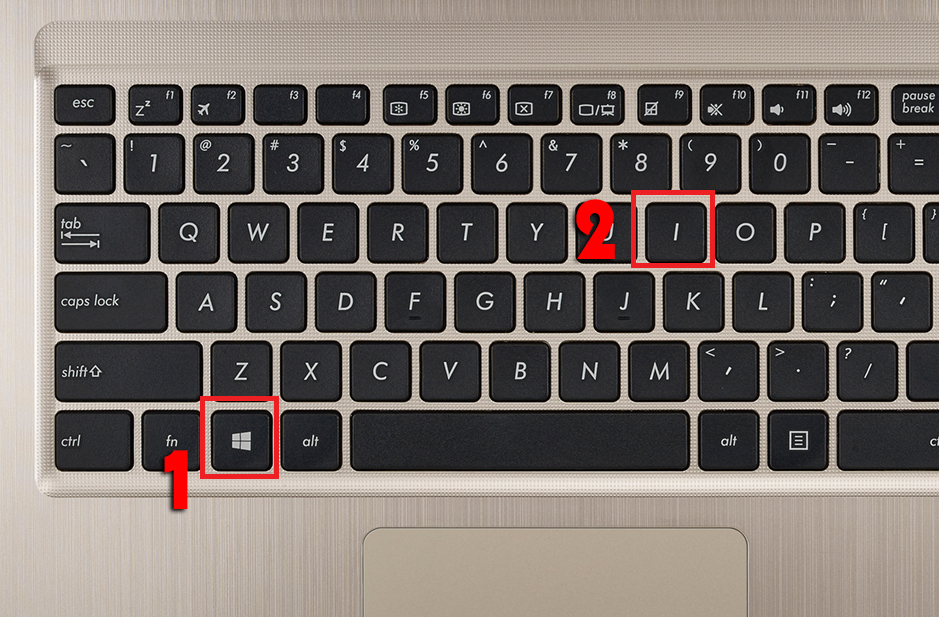
- For the full settings page, press Windows + I and open System > Display. Move the brightness slider until light areas of the screen look comfortable in your room.

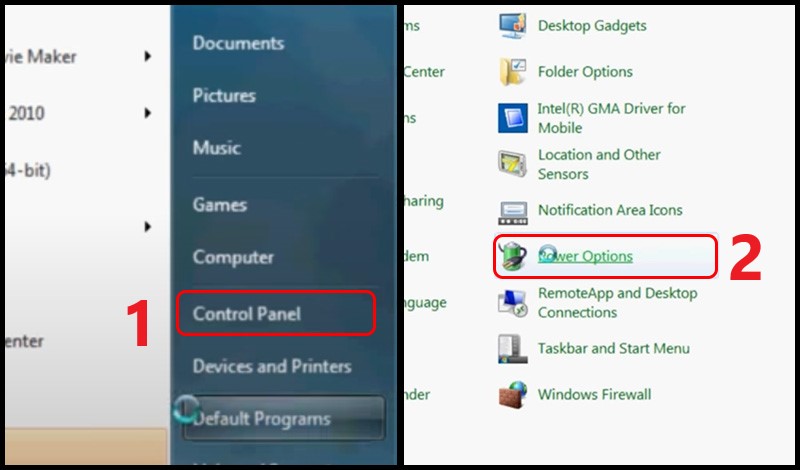
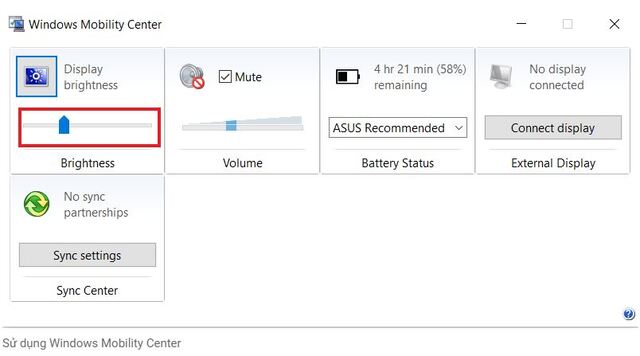
Some Windows laptops also have Windows Mobility Center. Search for it from Start and use Display brightness if the control is available. Older Windows layouts also exposed it through Control Panel.
Dim an external monitor
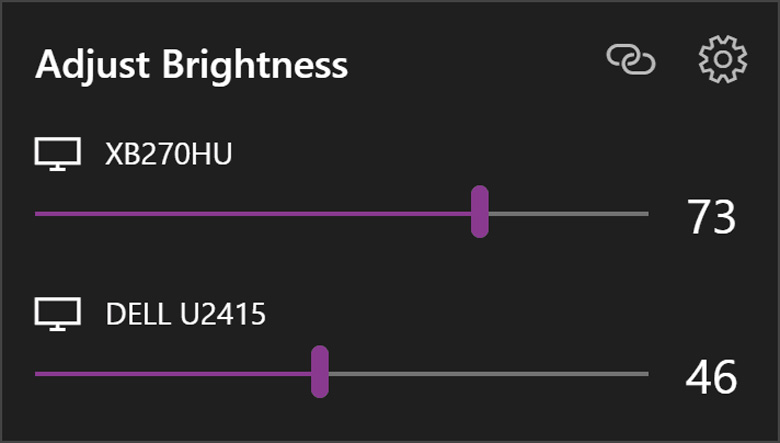
Open the monitor’s on-screen menu and find Brightness, often under Picture or Display. If a picture preset locks the control, try the monitor’s Standard mode. If you want to adjust it from the desktop, a utility such as Twinkle Tray can work with compatible monitors. Check the monitor manual for DDC/CI support and enable it if required.
If the slider is missing or brightness keeps changing
First confirm that you are adjusting the built-in screen. If that screen has no brightness control, restart and check Windows Update or the laptop manufacturer for a matching graphics driver. If the brightness changes on its own, look under Settings > System > Display for adaptive brightness or content-based brightness settings. Available controls depend on your hardware.
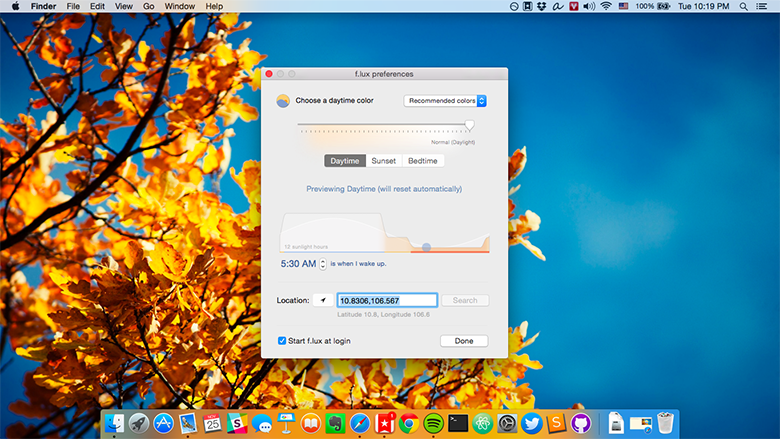
For a warmer picture in the evening, use Windows Night light or a color-temperature tool such as f.lux. A warmer tint changes the color of white areas. Lower the brightness separately if the screen still feels too bright.
Related Articles
 How to reduce iPhone screen brightness to lower than the iOS limit allows, help reduce eye strain
 How to adjust the brightness of the Laptop computer screen
 Manual manual and automatic computer screen brightness adjustment
 15 ways to adjust the brightness of computer and laptop screens
 What is Nit when it comes to screen brightness?
 How to adjust screen brightness in Windows 11
Reader Comments 0
Sign in with email or Google to join the discussion.