Table of Contents
This guide provides a clear, practical overview of steps to set up VPN on Windows 10, with useful context, important details, and straightforward takeaways for everyday readers.
1. How to Create a VPN Profile on Windows 10
The first thing you need to do is create a VPN configuration on your computer. Follow the steps below!
Step 1: Click on the Windows icon in the lower left corner of the screen > Select Settings .

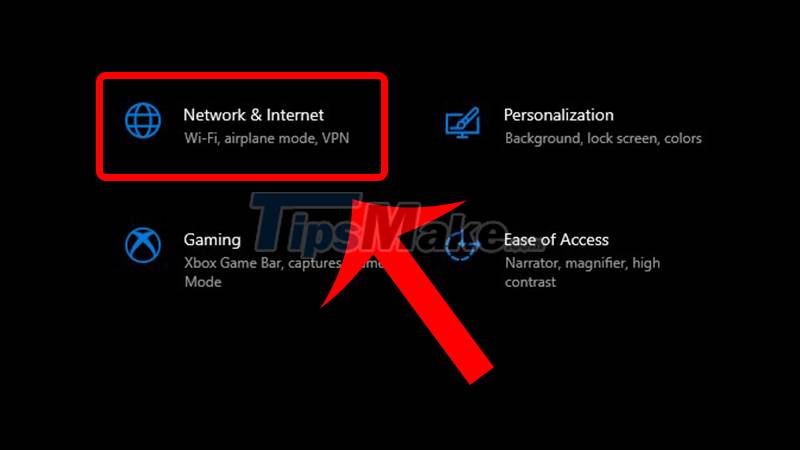
Step 2: Select Network & Internet .
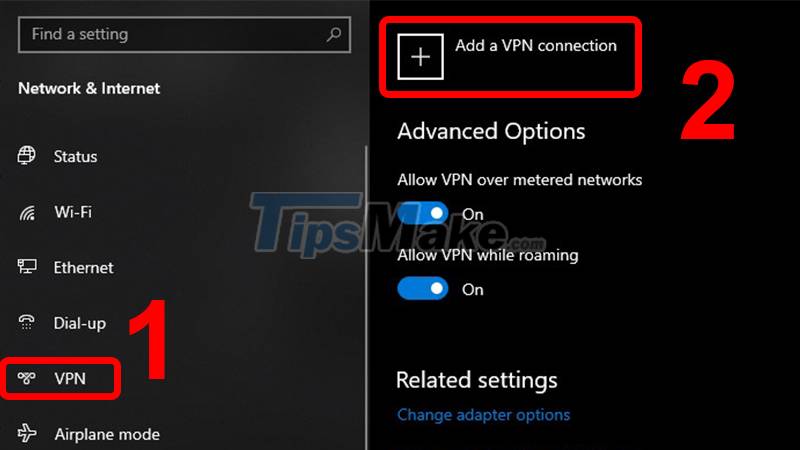
Step 3: In the VPN section , select Add a VPN connection .
Step 4: When the new interface appears, please fill in some necessary information below, then select Save to save.
- VPN provider: Select Windows (built-in) .
- Connection name: Enter your desired connection name (similar to the WiFi name you set up specifically for your phone).
- Server name or address: Enter the server name or IP address of that server .
- VPN Type: Select Point to Point Tunneling Protocol (PPTP) or L2TP/IPsec with pre-shared key .
- Type of sign-in info: Select User name and password .
- User name: Enter the username.
- Password: Create your own password.

In case you use a personal computer, you can tick Remember my sign-in info so that the system automatically saves your login information. If you're setting up a company machine, you can leave this option unchecked for your own security.
2. How to Connect to a VPN on Windows 10
Once you've finished creating your own VPN profile, you need to connect to that VPN on your computer.
Please perform the following steps: After clicking Save , the screen will return to the main interface of VPN , this time you select the newly created VPN and select Connect .

In case you want to change the VPN settings, follow these steps:
Step 1: Select Advanced options .
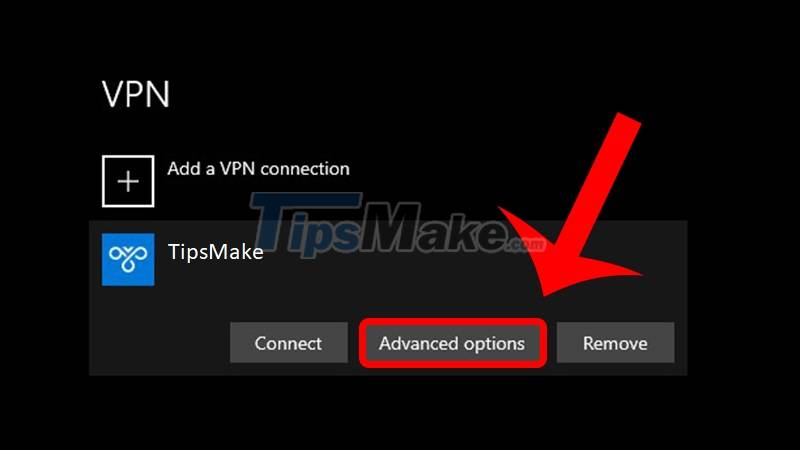
Adjust the information at Advanced options
Step 2: Select Edit to proceed with editing.

After completing the above steps, you have created a VPN right on Windows 10. However, you should not use this virtual private network VPN too much because it may be related to your own safety and security. .
3. How to Disconnect VPN on Windows 10
In case you have no need to continue using the VPN or want to remove a server from the list, you can disconnect or remove it completely. Please follow the next steps.
Step 1: At the VPN interface , select the VPN you want to disconnect > Select Disconnect .

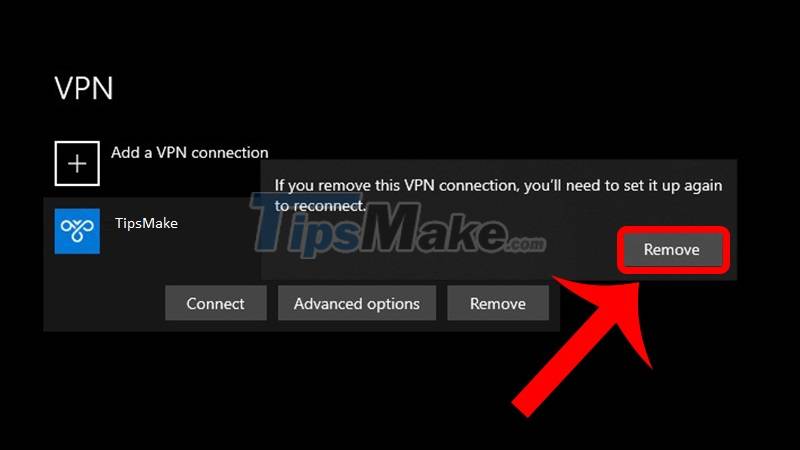
Step 2: Select Remove .
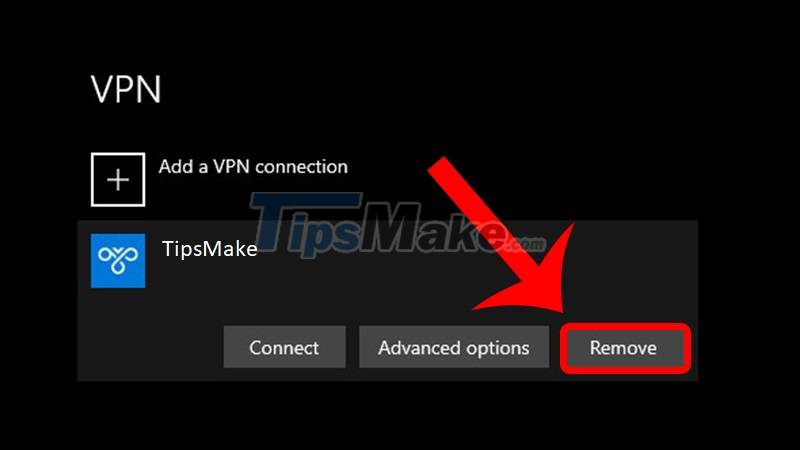
Step 3: Select Remove again to confirm.
The article showed you how to create a dedicated VPN for your computer, leave a comment below if any problems arise! Wishing you success!
Key Takeaways
Use the information above as a practical reference for steps to set up VPN on Windows 10. Review each step carefully, confirm any requirements, and choose the option that best fits your situation.
FAQ
What does this guide explain about Steps to Set up VPN on Windows 10?
It explains the main concepts, practical considerations, and useful steps related to steps to set up VPN on Windows 10 without requiring advanced knowledge.
Who can benefit from learning about Steps to Set up VPN on Windows 10?
This information is useful for readers who want a clear overview, practical guidance, and reliable steps related to steps to set up VPN on Windows 10.
What should I check before applying this information?
Review the requirements, confirm that your device, software, or situation matches the instructions, and back up important data before making major changes.
Related Articles
 5 Simple Steps to Help Increase Safety and Security of5 minutes read
 Instructions for Upgrading Windows XP to Windows 7 or Windows 107 minutes read
 Lockscreen Windows 11: Complete Guide3 minutes read
 Instructions on How to Upgrade from Windows XP to Windows 85 minutes read
 Click: 10 Steps of 'Defense' for Windows5 minutes read
 7 Steps to Successfully Overcome Windows Network7 minutes read
Reader Comments 0
Sign in with email or Google to join the discussion.