Table of Contents
This updated guide examines Data: Should We Worry About Location Access? and organizes the essential facts, background, and practical takeaways in clear American English.
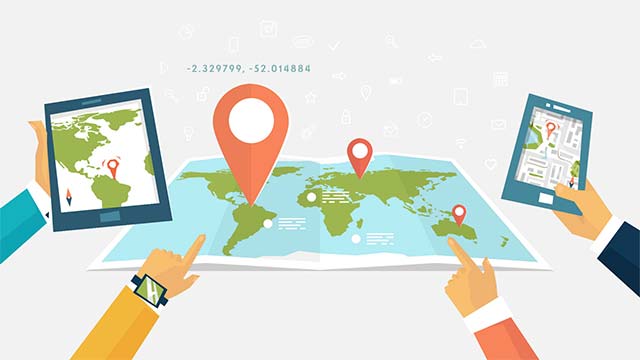
What data does your location contain?
Depending on whether the use of GPS is the easiest, fastest and most accurate way for the application to get your place, it is not the only way that the service provider can find information about the location of friend. All of the following can be a factor that helps determine a user's location:
- GPS satellites.
- The mobile tower you are connecting or the distance from the mobile tower to your device.
- IP address.
- The wifi network you are connecting to.
- Your search activities on the Internet.
Moreover, location data may also include information on the following:
- Transmission speed.
- Height.
- Direction.
- And many other information, depending on the program to create / receive data.
Who manages your location and location history data?

Any application you have granted permission to access your location, as well as companies behind the operating system on the device you are using (probably Google with Android or Apple with iOS ) are accessible to location data while you use the application. Also, in some cases, location tracking will still work in the background. If you have any application on your phone that requires location access, it's best to know that these apps have been and will be gathering more information than you think!
- Guide to see which personal data has been collected by Microsoft on Windows 10
Google has been accused of attempting to collect data about a user's location for advertising purposes. Specifically, Google allows users to turn off location tracking, but in fact this feature is still hidden and users must accept it.
In addition, even the photos you took may be part of the location history data. You may have granted your camera permission to use location information, in this case, if you check the details of the photo, in addition to the size and time information. you will see There is also the location where the photo was taken.
How will your location data be used?
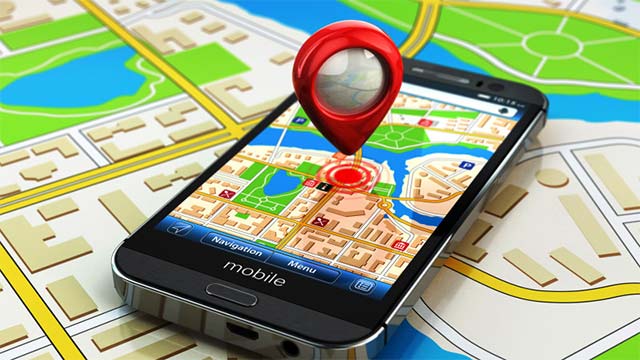
Personal data in general and location information in particular will play a huge role in describing a person's preferences, personality, and trends. So, this is an extremely useful 'fuel' source for the advertising industry. And in fact, most of the location data is used for advertising distribution and market research purposes. Big data about user activity will be used to refine marketing strategies, while personal data is used to filter individual ads and products. and service.
This may sound completely harmless, it seems to make our lives more convenient by bringing relevant ads, while businesses will also benefit from their marketing campaigns. get to the right audience. Most people find that if the problem lies only in helping the ads reach the right audience but must be 'strict' with the illegal collection of location data of the service providers. it looks a bit 'too much'. However, things won't stop there. The problem is that the service provider will collect all the information that the user may not want to share, especially the information related to the details of the location the user has visited.. Some of the main issues we need to consider here include:
- Your data will be provided to third parties and partners without notice.
- Organizations and businesses can access location data to monitor your legal actions and actions (this often happens).
- Routine, daily user timetable will be recorded and used to fight them in some cases (rarely happens).
- Identity theft (related to personal data, but has not confirmed cases directly related to location information).
- Privacy violations (ever happened).
How should attention be paid to this problem?
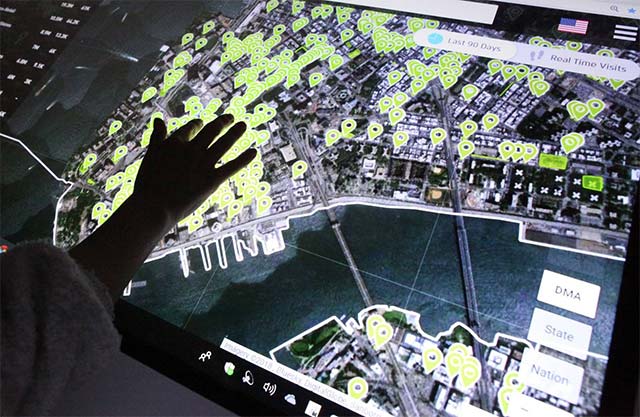
Collecting personal data in general or location data in particular can cause some serious consequences in the long run, among them, privacy is the most affected thing, you'll ' be 'monitored 24/7. The best thing that we - the users of the service can do now - is monitor and manage the applications that we have granted, deny services that require too much personal information, and try only use services that have a transparent tradition in how to handle user data
:
- How to check Facebook personal data is shared with Cambridge Analytica
- List of 52 Facebook companies sharing user data
- JavaScript takes user data via the 'Sign in with Facebook' feature
- Facebook provides a warning and allows users to edit application access to protect information
FAQ
What is Data: Should We Worry About Location Access about?
It provides a structured overview of data, explains the main context, and highlights practical takeaways for readers.
Why does this topic matter?
Understanding the main concepts helps readers evaluate the issue, avoid common mistakes, and make better-informed decisions.
How should readers use this information?
Use the guidance as a practical starting point, confirm details that may have changed, and follow current product, safety, or security recommendations.
Related Articles
 How to Check Which Websites Can Access Your Location in4 minutes read
 Google Will Review All Android Apps That Request Location Access3 minutes read
 Your iPhone's Precise Location Feature Is Quietly Recording Everywhere You Go6 minutes read
 Instructions on How to Add FTP, Network Location Drives on Windows3 minutes read
 Determine the Geographic Location of a PC Using Windows 74 minutes read
 How to Enable Location Services on iPhone iPad4 minutes read
Reader Comments 0
Sign in with email or Google to join the discussion.