Table of Contents
This updated guide examines Protect User Location Information in Ie 9 and Firefox 4 and organizes the essential facts, background, and practical takeaways in clear American English.
This feature is called Do Not Track User Preference , with a fairly simple function to prevent detailed packets of geographical information related to IP addresses and some other parameters, which users do not want. share or anyone known.
With IE 9:
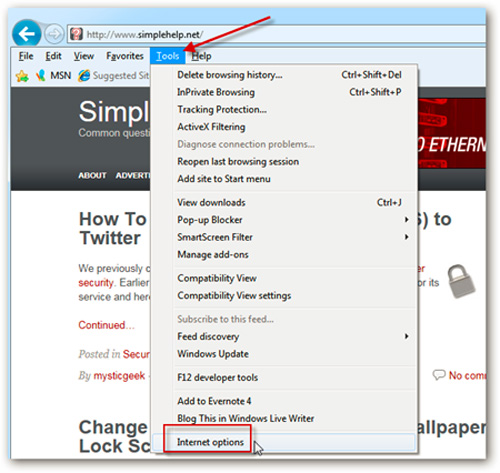
Start IE 9, press Alt to display the menu, select Tools> Internet Options :
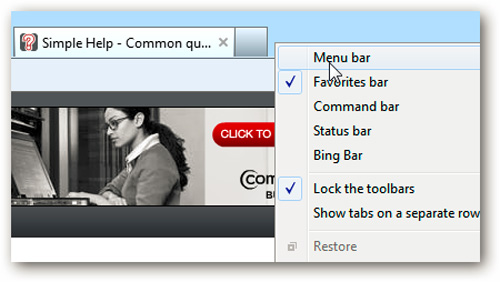
Or right-click an empty area on the right side of the address bar and select Menu bar :
Internet Options window is displayed, select Privacy tab, under Location marked in the Never allow websites to request your location physical :

Click Clear Sites to delete all related information stored so far, then click OK to close this window:

With Firefox 4:
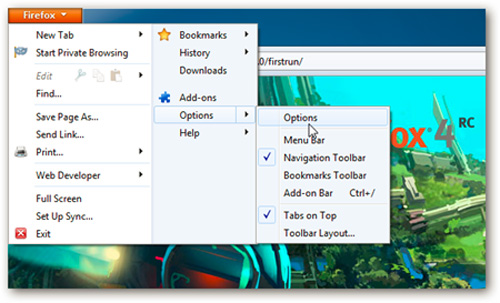
The same feature is also available in Firefox 4 RC 1. Open the Firefox Options section as follows:
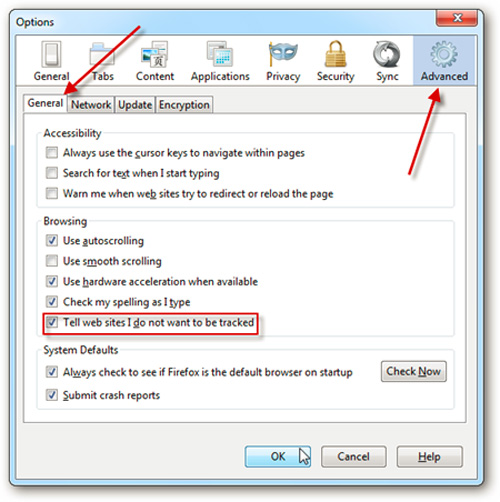
The next Options window will appear, where you select the General tab, in the General section, check the Tell web sites I checkbox so you don't want to be tracked . Then click OK:
Good luck!
FAQ
What is Protect User Location Information in Ie 9 and Firefox 4 about?
It provides a structured overview of instructions, explains the main context, and highlights practical takeaways for readers.
Why does this topic matter?
Understanding the main concepts helps readers evaluate the issue, avoid common mistakes, and make better-informed decisions.
How should readers use this information?
Use the guidance as a practical starting point, confirm details that may have changed, and follow current product, safety, or security recommendations.
Related Articles
 3 Great New Features on Firefox 59 You Can Use Today4 minutes read
 Data: Should We Worry About Location Access?6 minutes read
 The Last 9 Years Firefox Has Not Protected User Passwords Carefully3 minutes read
 Create Firefox Master Password: Complete Guide3 minutes read
 How to Turn Off the Request for Location When Browsing the3 minutes read
 How to Delete Data on Firefox by Keyboard Shortcuts3 minutes read
Reader Comments 0
Sign in with email or Google to join the discussion.