Table of Contents
This updated guide explores learn about spot color: the hidden phone feature that makes photos pop with practical details, clear explanations, and useful takeaways. You do not need a fancy app or a professional camera to make your photos pop - just a hidden setting in your phone's menu. Most people never touch it, but it is the quickest way to take your photos from bland to eye-catching in seconds.
What Does Spot Color Actually Do? Why Does It Work?
Spot Color is a Motorola photography feature that isolates a subject in full color while turning the background grayscale. The effect is subtle yet bold. It draws attention directly to what's important in the frame, eliminating distractions and giving even ordinary photos a purposeful, stylized look.

Unlike filters that change the tone or warmth of a photo, Spot Color reshapes the focus of a photo. It mimics what a high-end portrait lens does by creating visual separation without the need for the most advanced photography software or camera equipment.
Where to Find Spot Color on Motorola Devices?
Motorola does not advertise this feature prominently; it takes a bit of time to figure out how to enable this setting.
Here's how to access this awesome feature:
- Open the Camera app and open More to access additional shooting modes.
- Select Spot Color to enable this feature.
- Aim the reticle at the color you want to keep and tap to lock it, turning the rest of the image black and white.
- Adjust the color intensity with the slider until you achieve the desired effect.
- Take a photo by pressing the shutter button or using the volume buttons.
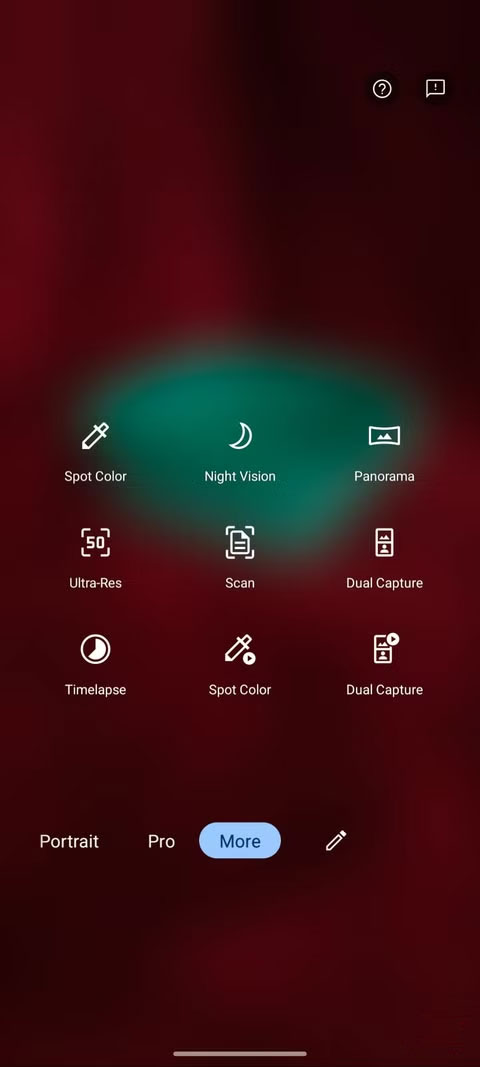
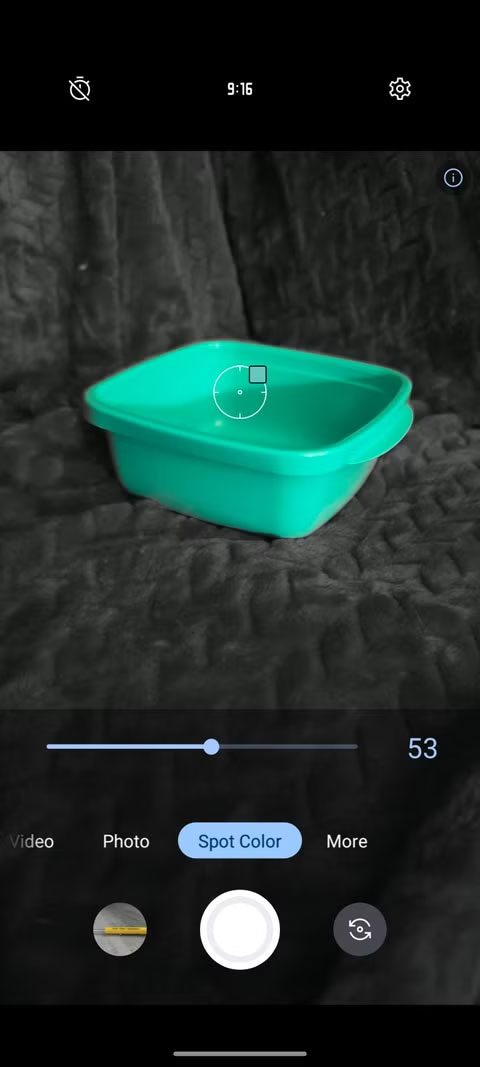
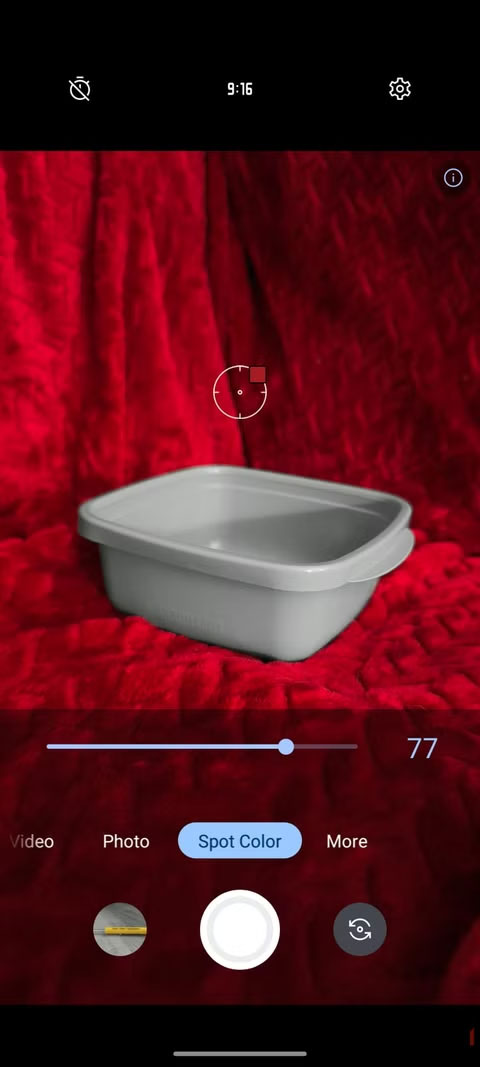
Any type of scene can benefit from this feature, but it tends to work best on portraits, pets, or objects with clear contrast against the background. The Motorola Edge 2023 handles the process quickly and cleanly, making testing seamless.
When Does This Feature Work Best? When Should It Be Ignored?



Spot Color shines in specific situations. it is not something you'll want to use for every photo, but when the right conditions are met, it can elevate an ordinary image into something visually striking.
When Does Spot Color Shine the Brightest?
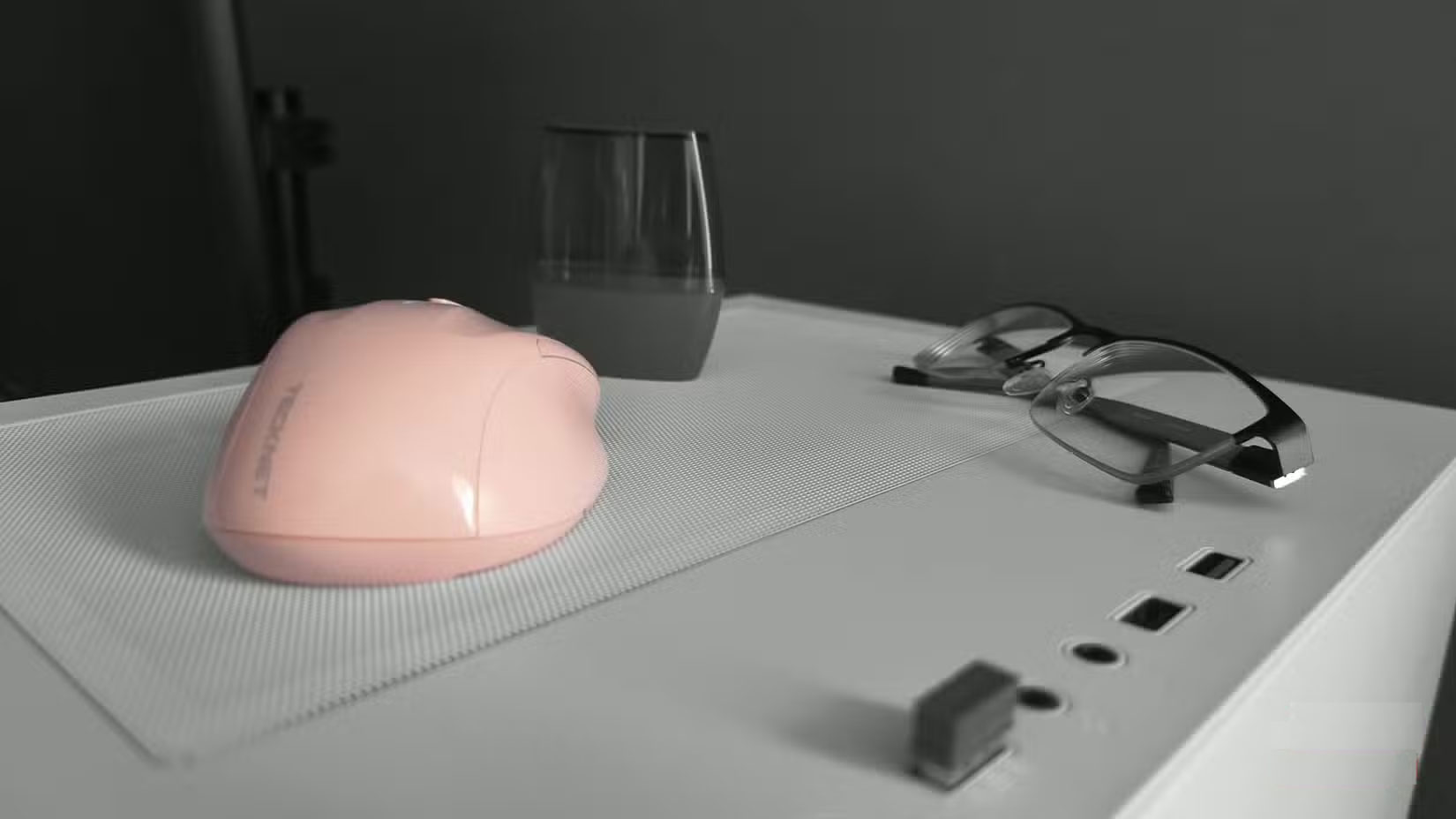
Spot Color shines when your subject is bold and well-defined. A red coat on a snowy street or a bright flower in a green field are a few examples of compositions that work well with this tool. It works especially well in portraits, pet photos, or product photos, where isolating a single color helps the subject stand out without being distracting.
In visually cluttered environments, such as busy streets or cluttered tables, it simplifies the frame by turning the background grayscale. Spot Color is more than just a visual effect, it adds an extra layer of storytelling. It lets you precisely direct the viewer's attention and create purposeful, emotional, and artistic shots.
When to Skip Spot Color?

Spot Color isn't right for every photo. In low-contrast scenes or when the subject does not stand out clearly from the background, the effect can appear flat or distracting. it is best to avoid using it when the background plays a key role in the mood or story of the image - such as a colorful landscape or sunset - as converting to black and white can lessen the emotional impact.
This tool can struggle with complex or multi-colored scenes. When faced with a scene where it is difficult to isolate a single color, it can sometimes cause unwanted artifacts.
Ultimately, Spot Color is a style choice that shines when used thoughtfully. Its real strength comes from knowing when not to apply it.
Not Only Motorola, Other Brands Also Have This Feature
Motorola's Spot Color feature stands out for its ease of use and versatility, but other major phone brands have introduced similar features under different names. Some are only accessible when editing, while others are built into the Camera app itself.
Samsung Galaxy Devices: Color Point in Portrait Mode
Samsung phones have a bunch of useful features, including a similar tool called Color Point. Unlike Motorola's version, which you apply after you take a photo, Samsung's approach happens in real time when you shoot in portrait mode.
To use:
- Open the Camera app and swipe to select Portrait mode .
- Tap the circle icon in the bottom right corner to access the effect options.
- Select Color Point from the available effects.
- Adjust the effect intensity with the slider to your liking.
- Take a photo by pressing the shutter button.
You will not be able to change the effect later if you do not enable it before taking the shot, you'll have to retake the photo. In return, Samsung gives you a live preview, so you can compose your shot with the effect already enabled.
Google Photos: Color Pop via AI Suggestions
Google also has a feature called Color Pop, but it works differently than both Motorola and Samsung. Instead of a manual tool, Google Photos uses AI to suggest effects for eligible images — mostly portraits with depth information.
Here's how to find this effect:
- Open Google Photos and select the photo you want to edit; portrait photos usually work best.
- Tap the Edit icon (pencil) at the bottom of the screen.
- Navigate to the Suggestions tab.
- Apply the effect by tapping Color Pop .
- Adjust the intensity with the slider to your preference.
- Save the edited photo by tapping Done .
The problem is that you cannot manually apply it to any photo; the effect only shows up if Google's algorithm deems the image suitable. There's also no way to manually tweak the effect, which limits its flexibility compared to other versions.
it is fast and efficient when it works, but you have to rely on the software to decide when to offer it. For convenience, you can choose to use the editing tools in Google Photos on your computer instead of on your phone.
What makes features like Spot Color so appealing isn't just the visual effect, but the surprisingly intuitive way to tell a story through your photos. While there are plenty of apps that can instantly improve your smartphone photography, this is an incredibly simple and powerful tool for drawing attention, evoking emotion, and giving your photos a unique look.
FAQ
What is the main takeaway about Learn About Spot Color: the Hidden Phone Feature That Makes Photos Pop?
The key is to understand the core idea, compare the available options, and apply the practical guidance that matches your situation.
What should beginners know about Learn About Spot Color: the Hidden Phone Feature That Makes Photos Pop?
Start with the essential steps and terminology. Avoid changing advanced settings until you understand how they affect performance, privacy, cost, or compatibility.
How can I use this information in practice?
Follow the relevant section in order, test one change at a time, and confirm the result before moving to the next step or recommendation.
Related Articles
 Slideshow: Complete Guide8 minutes read
 Each Person's Eye Color Is Different from Anyone Else's, Why Is That Explained5 minutes read
 4 Apps That Change Hair Color in Photos on Iphone5 minutes read
 Color Theory and Color Wheel: A Practical Guide12 minutes read
 How to Convert Color Photos to Black and White Photos on Your5 minutes read
 The Terminology of Color, Wheel Color and Skill Used to Color12 minutes read
Reader Comments 0
Sign in with email or Google to join the discussion.