Table of Contents
This guide explains how to use System Restore in Windows: Turn Off, Turn on, Create, Restore, with clear steps, practical tips, and important checks before you begin.
Typically, the computer creates a Restore time between 1 and 3 weeks. But for your safety, you should create the Restore point yourself.
1. Create a Restore Point moment
Step 1: Right-click My Computer -> Properties -> dialog box appears and select System protection .

Step 2: A dialog box appears, select the tab System protection -> Creat .

In case your computer has hidden Creat button, you can do as follows:
- Click Configuration .

- A dialog box appears selecting Restore System Setting and previous version of file -> OK .

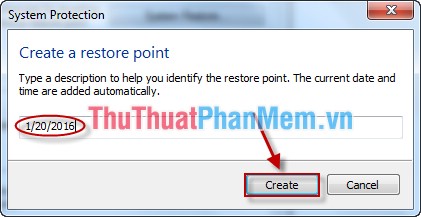
Step 3: Enter the time to restore -> Creat . Note the date format you see on your computer, enter the format accordingly.
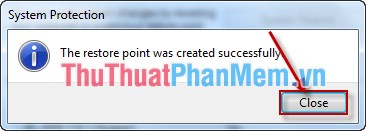
Step 4: The process of creating a successful notification time choose Close .
2. Use System Restore
To start the Restore process follow these steps:
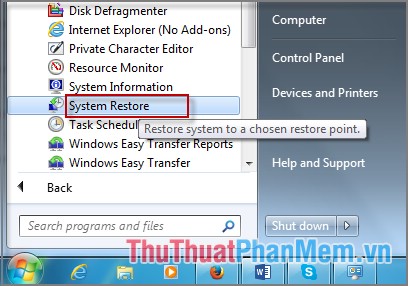
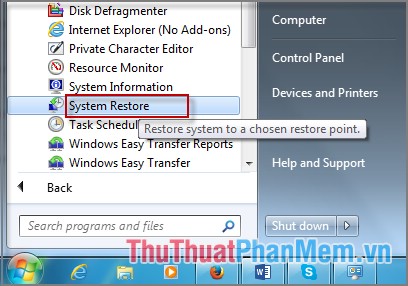
Step 1: Go to Start -> All Programs -> Accessories -> System Tools -> System Restore .
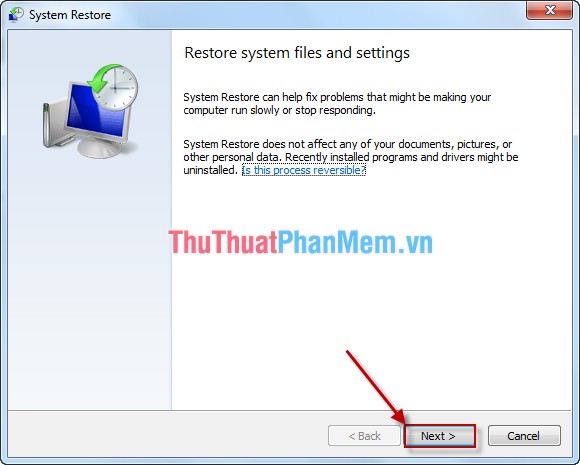
Step 2: Click Next to continue.
Step 3: A dialog box appears -> choose a time to restore -> Next .
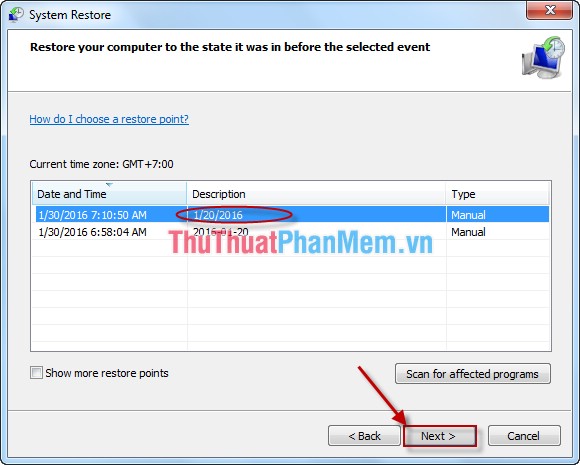
Step 4: To be safe, you should check the programs and data files to be restored. Click Scan for affected programs .
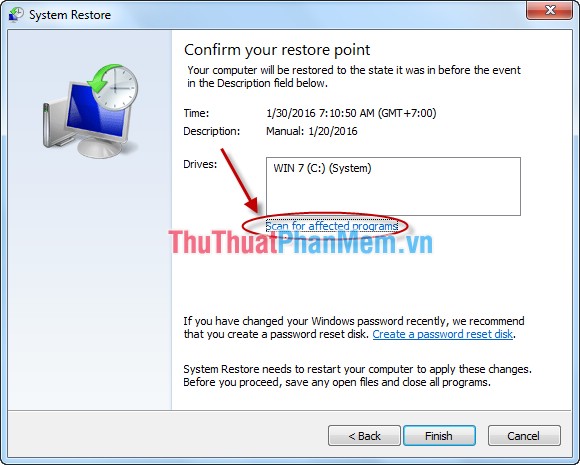
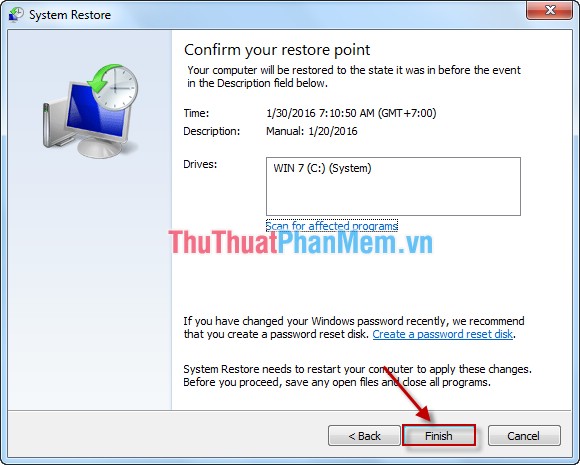
Step 5: Finally, click Finish to complete.
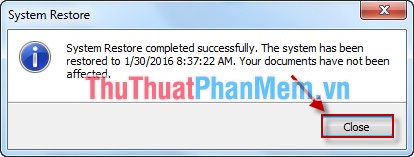
Step 6: After the restore process is complete, click Close .
3. Return to the Restore process
In case you restore but the system is worse than before, you can choose to go back to the Restore process. Or in case you lose important data file, you can follow these steps:
Step 1: Go to Start -> All Programs -> Accessories -> System Tools -> System Restore .
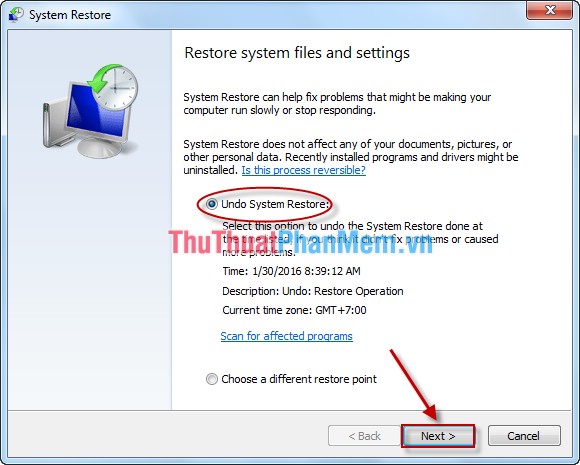
Step 2: The dialog box appears with two options for Undo System Restore or you can choose Choose a diffirent restore point (choose at another time).
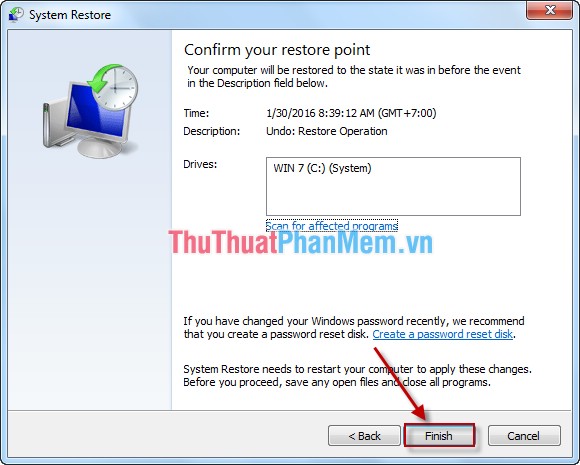
Step 3: Click Finish to begin the recovery process.
Good luck!
FAQ
What should I know about System Restore in Windows: Turn Off, Turn on, Create, Restore?
Focus on the key features, requirements, limitations, and practical use cases explained in this guide.
How do I get the best results with System Restore in Windows: Turn Off, Turn on, Create, Restore?
Follow the recommended steps, use current software or information, confirm compatibility, and review settings before major changes.
Are there any risks or limitations?
Potential limitations depend on compatibility, data quality, cost, privacy, support, and how the product or method is used.
Related Articles
 How to Create Restore Point on Windows 10 with Just 1 Double5 minutes read
 Instructions for Creating Backup and Restore Points (Restore4 minutes read
 Instructions on How to Use System Restore on Windows8 minutes read
 Configure the System Restore Feature in Windows 109 minutes read
 Instructions for Restoring the System on Windows6 minutes read
 How to Delete System Restore Points in Windows 104 minutes read
Reader Comments 0
Sign in with email or Google to join the discussion.