Table of Contents
This updated guide examines How to Update Directx and organizes the essential facts, background, and practical takeaways in clear American English.
Method 1of 5:
Automatic Windows Updates
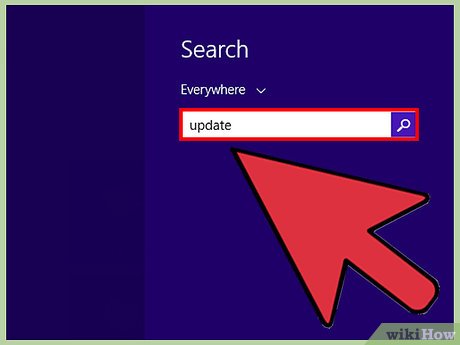 Click on the Start menu and type 'update' into the search field.
 Click on 'Windows Update,' then click on 'Change settings' in the left pane.
- If using Windows 8, click on 'Choose how updates get installed.'
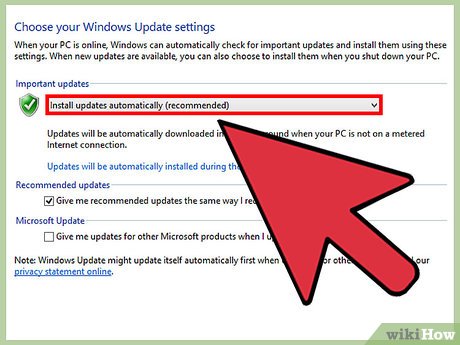 Select the option to install or check for updates, then place a checkmark next to 'Give me recommended updates the same way I receive important updates.'
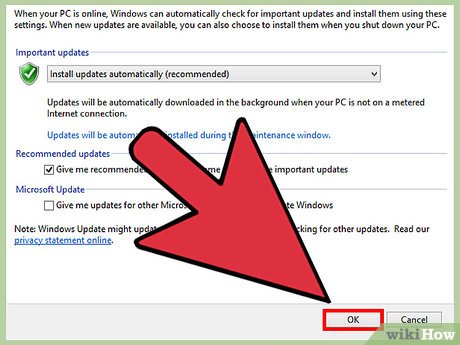 Click on 'OK,' then type the administrator password for your computer. Going forward, DirectX will automatically be updated when new Windows updates are available.[1]
Method 2of 5:
DirectX 11.1 for Windows 7 SP1 and Windows Server 2008 R2 SP1
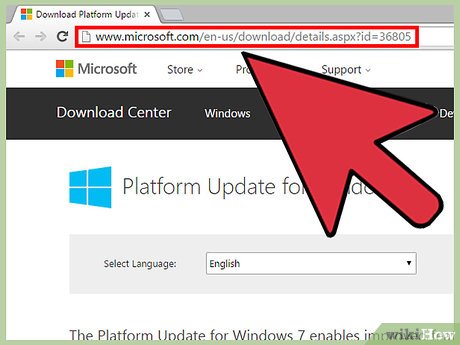 Navigate to the Microsoft Platform Update page for DirectX athttp://www.microsoft.com/en-us/download/details.aspx?id=36805.
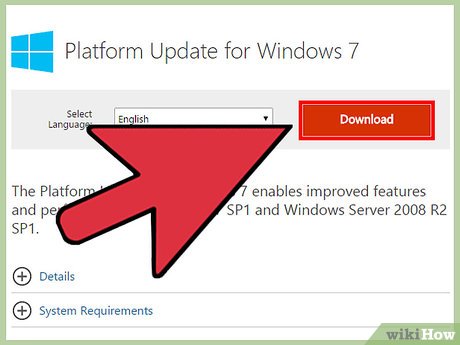 Click on the 'Download' button, then select 'Run' at the prompt. Microsoft will now install the latest updates for DirectX.[2]
Method 3of 5:
DirectX 11.0 for Windows Vista SP2 and Windows Server 2008 SP2
 Navigate to one of the following URLs based on your version of Windows:
- Windows Vista: https://www.microsoft.com/en-us/download/details.aspx?id=3274
- Windows Server 2008: https://www.microsoft.com/en-us/download/details.aspx?id=21608
- Windows Vista for x64-based systems: https://www.microsoft.com/en-us/download/details.aspx?id=4390
- Windows Server 2008 for x64-based systems: https://www.microsoft.com/en-us/download/details.aspx?id=12870
 Click on the 'Download' button, then select 'Run' at the prompt. Microsoft will now install the latest updates for DirectX.
Method 4of 5:
DirectX 9.0c for Windows XP and Windows Server 2003
 Navigate to the Download Center for DirectX 9.0c athttps://www.microsoft.com/en-in/download/details.aspx?id=34429.
 Click on the 'Download' button, then click on 'Open' or 'Run this program from its current location.' Microsoft will now install the latest updates for DirectX.
Method 5of 5:
Troubleshooting DirectX Updates
 Try installing DirectX End-User Runtime if you receive the following error when installing an application or game that requires DirectX 9:'The program can't start because d3dx9_35.dll is missing from your computer. Try reinstalling the program to fix this problem.' Installing the DirectX End-User Runtime program can often help resolve this error.
- Navigate to https://www.microsoft.com/en-us/download/details.aspx?id=35 and click on the 'Download' button.
- Click on 'Open' or 'Run this program from its current location' to install the program and resolve the error.
 Run the DirectX Diagnostic Tool if you experience problems when playing games or movies after installing DirectX updates. In many cases, this tool can help identify the source of problems associated with DirectX.[3]
- Click on the Start menu, type 'dxdiag' into the search box, then press 'Enter.' The DirectX Diagnostic Tool will run and identify any existing problems with DirectX.
 Try updating the drivers for your video card, or replace the video card itself if updating DirectX fails to resolve problems with certain apps and programs. In some cases, a faulty video card can prevent DirectX from working efficiently.[4]
FAQ
What is How to Update Directx about?
It provides a structured overview of directx, explains the main context, and highlights practical takeaways for readers.
Why does this topic matter?
Understanding the main concepts helps readers evaluate the issue, avoid common mistakes, and make better-informed decisions.
How should readers use this information?
Use the guidance as a practical starting point, confirm details that may have changed, and follow current product, safety, or security recommendations.
Related Articles
 Directx 11 - Directx 11 Download and Installation Guide3 minutes read
 What Is Directx and Why Is It So Important?8 minutes read
 What Is Directx 12? How Important?7 minutes read
 What Is Microsoft Directx?9 minutes read
 How to Download Direct X and Install Directx on Your Computer7 minutes read
 How to Uninstall Directx7 minutes read
Reader Comments 0
Sign in with email or Google to join the discussion.