Table of Contents
This updated guide examines How to Uninstall the Driver Completely on Windows and organizes the essential facts, background, and practical takeaways in clear American English.
Note: This guide is applicable on Windows 10, Windows 7 and Windows 8.1.
A corrupted driver may cause a blue screen error and you cannot log in and use the computer. In this case you need to boot into safe mode first. Refer to the following article. All problems with starting Windows in Safe Mode to know how to access this mode.
After entering Safe Mode, follow these steps.
- Download drivers, update drivers with just one click with Driver Booster Free
- Summary of driver error codes on Windows and how to fix
- Summary of free driver backup software
How to completely remove the error driver on Windows
Step 1 . Open Device Manager
Open Device Manager by searching for device manager and clicking or touching the match. Alternatively, open the Control Panel and go to Hardware and Sound , then click the Device Manager link.

Step 2 . Find the device or hardware component with an error driver
Device Manager displays a list of all hardware components within the computer or connects to it. It also includes the hardware emulated by the applications you have installed. They are sorted by type. Browse the hardware list and find the component with the error driver causing your problem.
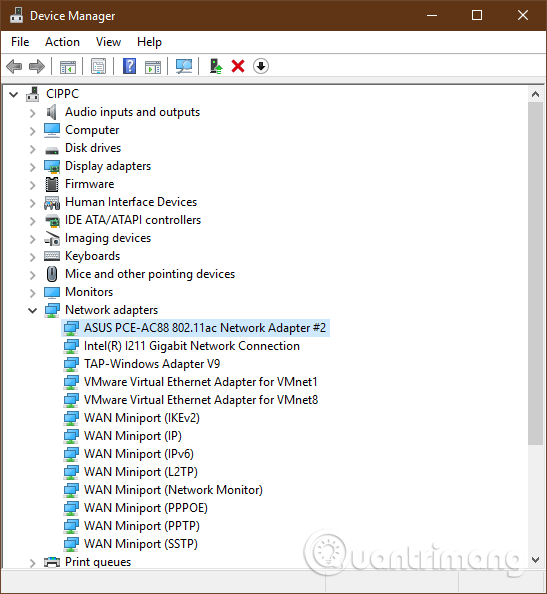
Step 3. Access the properties of the hardware component with the error driver
Right-click or press and hold (on the touch screen) the component name with the problematic driver. In the menu that opens, select Properties .
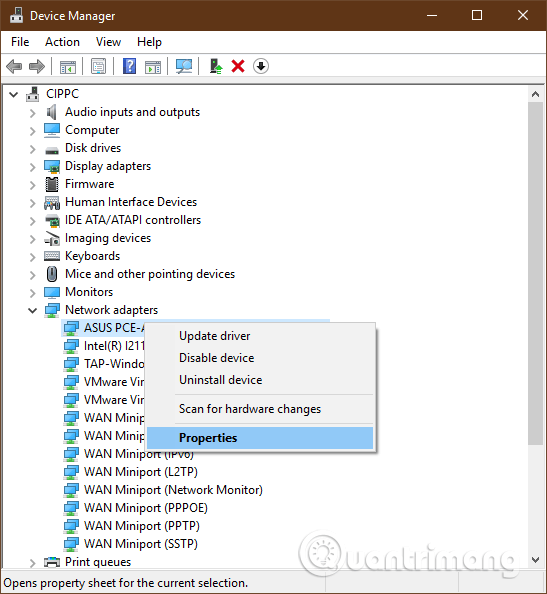
You can also click or touch the component with the driver error, then pressAlt+Enteron the keyboard. Alternatively, click on the hardware component and then open the Action menu and select Properties .
Step 4 . Delete the failed driver from Windows
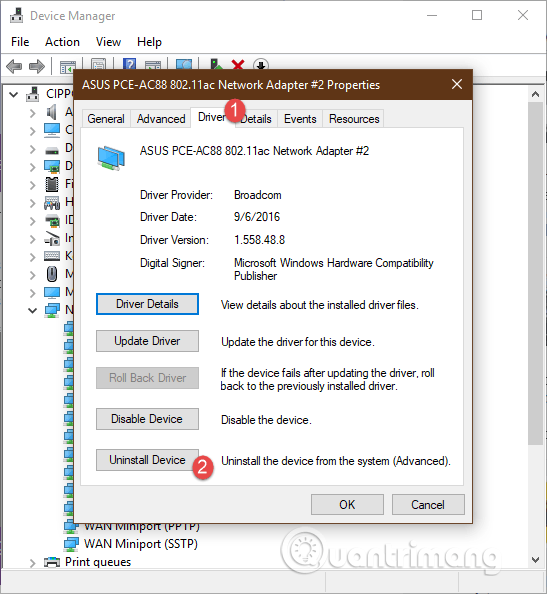
You should now see the properties window of the hardware component you selected. To completely remove its driver, access the Driver tab and click or tap the Uninstall Device .
Be sure to check the box that says: Delete the driver software for this device . Then click or tap Uninstall . If you do not select the box above, Windows will not completely remove the driver for the device, it will still keep the file on the drive and use them again after detecting that hardware component.
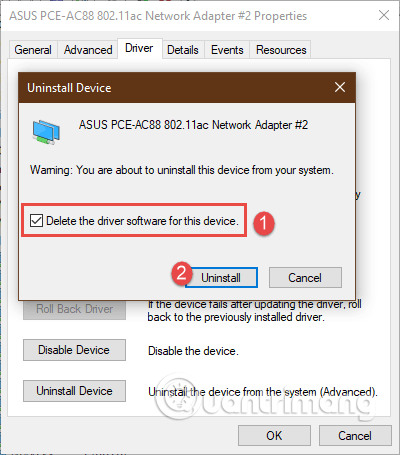
Driver error has been deleted and the hardware component is no longer in Device Manager. You can use the computer without any problems.
Driver error has been deleted, so what should we do next?
If the error driver is distributed through Windows Update, most likely, it will be reinstalled automatically by Windows. You can hide the failed driver update and block it from being installed. If you install a manual error driver, you should not install it again and find another version that works better.
I wish you all success!
FAQ
What is How to Uninstall the Driver Completely on Windows about?
It provides a structured overview of completely erase the drive, explains the main context, and highlights practical takeaways for readers.
Why does this topic matter?
Understanding the main concepts helps readers evaluate the issue, avoid common mistakes, and make better-informed decisions.
How should readers use this information?
Use the guidance as a practical starting point, confirm details that may have changed, and follow current product, safety, or security recommendations.
Related Articles
 How to Completely Uninstall WSL on Windows 10/114 minutes read
 How to Uninstall AMD Catalyst Driver on Windows5 minutes read
 How to Uninstall Old Drivers on Windows 105 minutes read
 How to Uninstall and Reinstall Wi-Fi Drivers on Windows 116 minutes read
 minutes read
 How to Uninstall LinkiDoo6 minutes read
Reader Comments 0
Sign in with email or Google to join the discussion.