Table of Contents
This updated guide examines How to Turn on Windows Firewall and organizes the essential facts, background, and practical takeaways in clear American English.
Method 1of 3:
Turning on Windows Firewall in Windows 7, 8.1, and 10
- Open Start. Click on "Search". Type "firewall" into the search box. Select "Windows Firewall" from the result list.
 Select "Turn Windows Firewall on or off" in the left pane. Enter your administrator password if you are prompted for one.
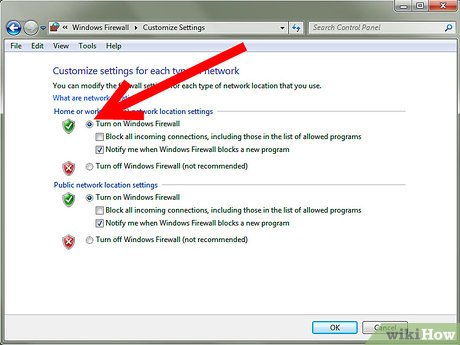 Click "Turn on Windows Firewall" in the network locations you wish to protect. Click "OK" to confirm the change.
- You can also select the "Block all incoming connections, including those in the list of allowed programs" check box if you want Firewall to block all programs.
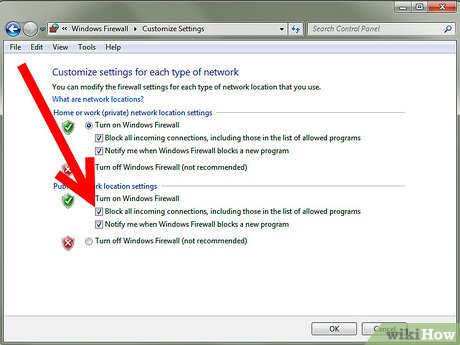
- You can also select the "Block all incoming connections, including those in the list of allowed programs" check box if you want Firewall to block all programs.
Method 2of 3:
Turning on Windows Firewall in Windows Vista
 Open the Start menu and select "Control Panel. "
 Select "Security" and then click on "Windows Firewall. "
 Click "Turn Windows Firewall on or off. " You may be prompted to enter an administrator password.
 Select "On (recommended)," then click "OK" to confirm the change.
- Select the "Block all incoming connections" check box to have Firewall block all programs, even those on the "Exceptions" tab.

- Select the "Block all incoming connections" check box to have Firewall block all programs, even those on the "Exceptions" tab.
Method 3of 3:
Turning on Windows Firewall in Windows XP
 Open the Start menu.
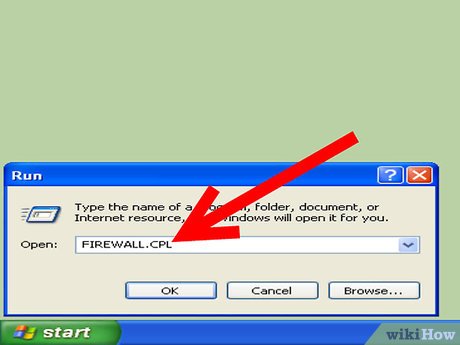 Click on "Run" and type in "Firewall.cpl" in the box. Click "OK."
 Select "On (recommended)" in the "General" tab. Click "OK."
- In some cases, the "On (recommended)" option might be grayed out. It may be because a third-party firewall is already in use on the system. Turn off the third-party firewall to activate Windows Firewall. Make sure to consult with your system administrator before hand, if you have one.
FAQ
What is How to Turn on Windows Firewall about?
It provides a structured overview of firewall, explains the main context, and highlights practical takeaways for readers.
Why does this topic matter?
Understanding the main concepts helps readers evaluate the issue, avoid common mistakes, and make better-informed decisions.
How should readers use this information?
Use the guidance as a practical starting point, confirm details that may have changed, and follow current product, safety, or security recommendations.
Related Articles
 Turn Off the Windows Firewall 11: Complete Guide6 minutes read
 Turn Off Windows 10 Firewall: Complete Guide6 minutes read
 How to Turn on // Off Windows Firewall in Windows 7, 8 // 8.1 and7 minutes read
 How to Turn Firewall (Firewall) on Win 72 minutes read
 What Is a Firewall? General Knowledge About Firewall15 minutes read
 How to Turn Firewall on and Off in Windows 103 minutes read
Reader Comments 0
Sign in with email or Google to join the discussion.