Table of Contents
This guide provides a clear overview of turn off windows 10 firewall, including Method 1: Turn Off the Firewall on Windows 10 Using Control Panel, Method 2: How to Turn Off Windows 10 Firewall with Windows Security. Use it to understand the topic, compare the available options, and make a more informed decision.
Method 1: Turn Off the Firewall on Windows 10 Using Control Panel
In fact, this method is still applicable to both Windows 11, Windows 7 and Windows 8. The steps are as follows:
Step 1: You press the Win button on the keyboard or click the Start button to open the Start Menu then enter Control Panel to search and open the control panel.
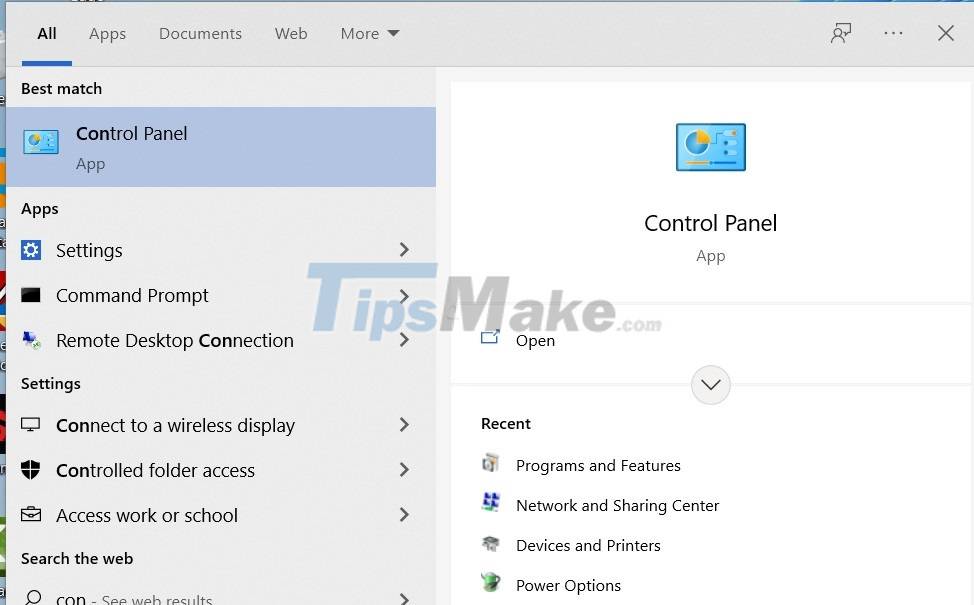
Step 2: Click System and Security. If you don't see System and Security, click the drop-down menu at View by and then select Category.
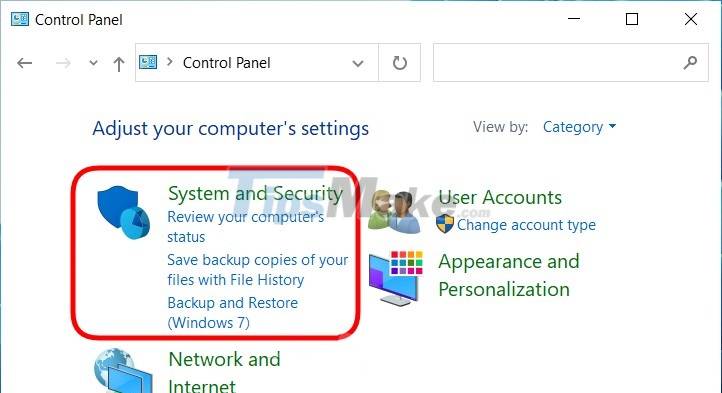
Step 3: Click Windows Defender Firewall (or Windows Firewall).

Step 4: Click Turn Windows Firewall on or off in the left sidebar (Tip: You can also access the firewall settings screen by executing control firewall.cpl in CMD or Run).
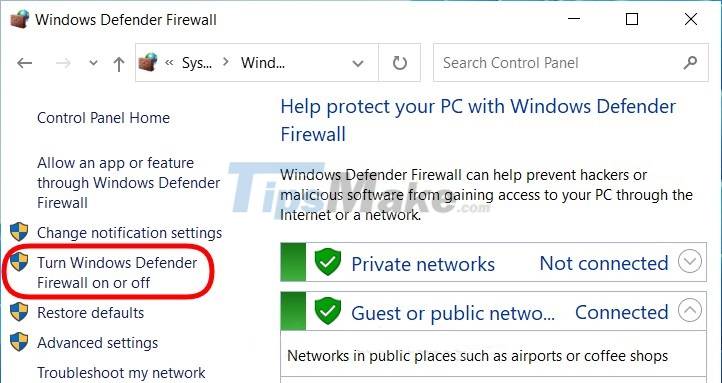
Step 5: Here, click to select Turn off Windows Firewall (not recommended) to turn off the firewall on Windows 10. You can turn off the firewall for both private and public networks or just turn off for one network depending on your needs.

Step 6: Click OK to save the settings.
Method 2: How to Turn Off Windows 10 Firewall with Windows Security
Basically, this method can be used for both Windows 10 and Windows 11.
Step 1: You press the Win button on the keyboard or click the Start button to open the Start Menu then enter Windows Security to search and open Windows protection software.

Step 2: Click on Firewall & network protection.

Step 3: Click on each network for which you want to turn off the firewall among the three networks Domain network, Private network and Public network, or click on all three if you want to disable them all.

Step 4: After clicking on the network you want to turn off, turn the switch in the Microsoft Defender Firewall section from On to Off, repeat for all three networks if you want to turn off all three.

So you have finished turning off the firewall on Windows 10. To turn the firewall back on, you just need to do from step 1, to step 4, select On instead of Off.
Method 3: Turn Off the Windows 10 Firewall with the Command
Those of you who are familiar with cmd and commands or who like to feel like a hacker can use the command to turn off the firewall on Windows 10. Here's how:
Step 1: You press the Win button on the keyboard or click the Start button to open the Start Menu then enter cmd to search and open the Command Prompt command window. Remember to open it as admin.
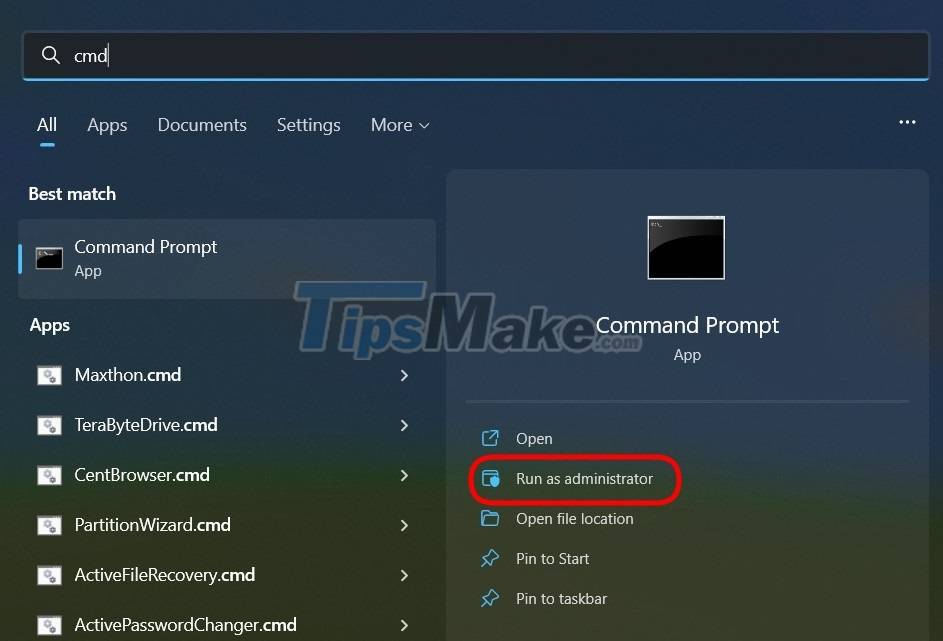
Step 2: To turn off the firewall, enter the following command into the Command Prompt and then press Enter:
netsh advfirewall set allprofiles state off

Step 3: If you want to reactivate it, just enter the following command in Command Prompt and press Enter:
netsh advfirewall set allprofiles state on
Some other commands to turn on and off the firewall on Windows 10 that you may need:
- netsh advfirewall set currentprofile state off - Turn off firewall for current user
- netsh advfirewall set currentprofile state on - Opens firewall with current user
- netsh advfirewall set domainprofile state off - Turn off firewall on Domain network
- netsh advfirewall set domainprofile state on - Open firewall on Domain network
- netsh advfirewall set publicprofile state off - Turn off firewall on Public network
- netsh advfirewall set publicprofile state on - Open firewall on Public network
- netsh advfirewall set privateprofile state off - Turn off firewall on Private network
- netsh advfirewall set privateprofile state on - Open firewall on Private network
Good luck!
- How to enable the performance optimization feature in Windows 10
Conclusion
Understanding Turn Off Windows 10 Firewall makes it easier to compare options, avoid common mistakes, and apply the information in this guide more effectively. Review the relevant requirements before making changes or choosing a solution.
FAQ
What is Turn Off Windows 10 Firewall?
Method 1: Turn Off the Firewall on Windows 10 Using Control Panel In fact, this method is still applicable to both Windows 11, Windows 7 and Windows 8.
Why is Turn Off Windows 10 Firewall important?
Understanding Turn Off Windows 10 Firewall helps you evaluate features, compatibility, performance, and potential limitations before you choose a product or follow a procedure.
What should you consider when using or choosing Turn Off Windows 10 Firewall?
Consider your specific goal, compatibility requirements, available features, cost, security, and the practical recommendations described in this guide.
Related Articles
 Turn Off the Windows Firewall 11: Complete Guide6 minutes read
 How to Turn on and Off Windows 10 Firewall, Windows 105 minutes read
 How to Turn on // Off Windows Firewall in Windows 7, 8 // 8.1 and7 minutes read
 How to Turn Firewall (Firewall) on Win 72 minutes read
 Instructions on How to Turn on and Off Windows 10 Firewall in the Easiest Way7 minutes read
 What Is a Firewall? General Knowledge About Firewall15 minutes read
Reader Comments 0
Sign in with email or Google to join the discussion.