Table of Contents
To edit a file in Office 2013 Protected View, first verify where it came from. If you expected the file and trust its source, select Enable Editing in the yellow message bar. That lets you edit the document while keeping Protected View available for future files.
Check the file before enabling editing
- Confirm that you expected the attachment or downloaded it from the intended site. If an attachment was unexpected, verify it with the sender through a separate channel.
- Review the document in Protected View first and scan it if you have doubts. These checks for downloaded files can help you inspect its source and extension.
- If everything matches, select Enable Editing. Treat a separate Enable Content prompt as a separate decision because it can enable macros or other active content.
If Enable Editing is unavailable
Your organization may enforce a policy, or Office may have flagged a problem with the file. Ask the sender to provide a fresh copy if the file may be damaged. On a managed computer, ask IT to review the warning. If the document is still read-only after leaving Protected View, check whether you have permission to change it or can save a separate copy.
Find and review Trust Center settings
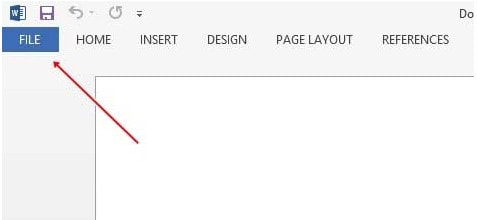
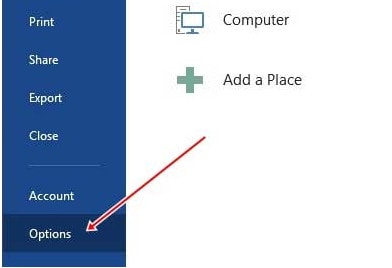
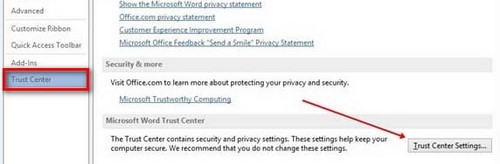
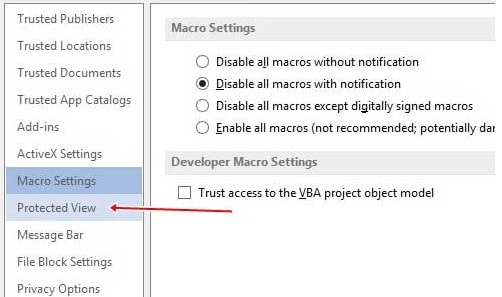
In the Office application, go to File > Options > Trust Center > Trust Center Settings > Protected View. The screenshots show where the settings are in Word 2013. Leave the protections enabled for files from the internet, potentially unsafe locations, and Outlook attachments unless an administrator has defined a specific policy.
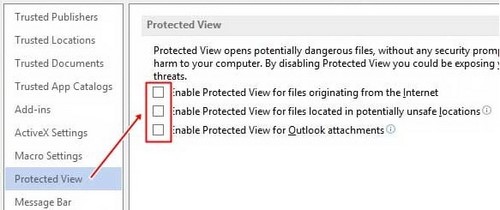
Microsoft's guide to Protected View explains common warnings. Office 2013 stopped receiving security fixes on April 11, 2023. If you regularly receive Office files from outside your organization, use a supported editor. The office suite comparison covers alternatives if you cannot upgrade to a current Office release.
Related Articles
 Instructions to turn off Protected View feature in Office 2013
 What is Protected View? Turn on and off the Protected View feature in Office 2016
 Turn on and off the Protected View feature in Office 2010, 2013
 Disable the Protected View feature, turn off the Protected View feature in Office 2010
 How to turn on/off the Protected View feature on Microsoft Office
 Turn off the Protected View feature when opening Word or Excel documents
Reader Comments 0
Sign in with email or Google to join the discussion.