Table of Contents
Make a copy of the damaged Word file, then use Open and Repair on the copy. If you can find an earlier intact version in email, a backup, or OneDrive version history, compare it with the repaired copy before deciding which to keep.
Check whether the file or Word is the problem
Open a different document in the same copy of Word. If several known-good files fail, test the problem document on another computer with a supported copy of Word before reinstalling anything. Check the file size too. An empty file has no content that Word can extract, so look for another copy.
Try Open and Repair
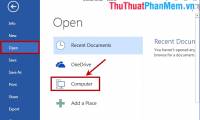
- Open the desktop version of Word on Windows, then choose File > Open > Browse.
- Select the damaged copy once. Use the arrow next to Open and choose Open and Repair.
- If Word opens it, save it under another name. Reopen the saved version and check the last page, tables, images, and other important content.
See Microsoft's Open and Repair instructions if you need help finding the menu.
Look for an intact earlier copy
- For OneDrive or SharePoint, open the document's version history and check the timestamps. Save or download an earlier copy before replacing anything.
- Check email attachments and local backups. If the file was incomplete because Word closed unexpectedly, try Word's unsaved-document recovery.
Salvage the text if repair fails
In Word's Open dialog, try Recover Text from Any File in the file-type list if available. Copy readable text into a fresh document. This may recover prose while losing layout, images, or other document objects. A local editor such as LibreOffice Writer may also read portions of a file that Word rejects. Review the output before saving a new copy.
If multiple files on the same drive have read errors, protect the drive's data before running a repair that writes changes. Follow the storage and backup troubleshooting guide to decide what to copy or recover first.




Reader Comments 0
Sign in with email or Google to join the discussion.