Table of Contents
This practical guide walks through how to start / stop Windows event log, explains the main requirements, and highlights common issues that may appear along the way.
How to start / stop the Windows Event Log service from Services.msc
Take the following steps:
Click the Start menu and select Search programs and files .
Enter services.msc and press Enter.
Locate the Windows Event Log service , observe its current state, and open it to make changes.

From the General tab , you can choose Start / Stop and change the Startup type of the Windows Event Log service .

How to start / stop the Windows Event Log service from Registry Editor
Take the following steps:
Click the Start menu and select Search programs and files .
Enter regedit and press Enter.
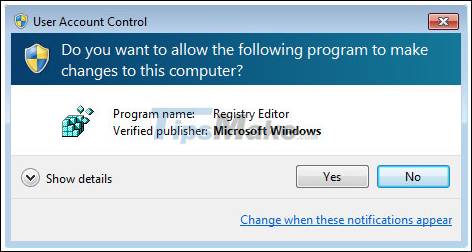
Confirm the User Account Control pop-up window .
Warning:
Serious problems might occur if you modify the registry incorrectly by using Registry Editor or by another method. You may need to reinstall your operating system and Microsoft cannot guarantee that these problems can be resolved.
Navigate to HKEY_LOCAL_MACHINESYSTEMCurrentControlSetserviceseventlog and locate the Start registry key .

Double click on Start and edit the value:
Change Startup type :
- Automatic - 2
- Manual - 3
- Disabled - 4
- Automatic (Delayed Start) - 2
Note : When you change to Automatic (Delayed Start) , the new key DelayedAutostart is created with the value 1.
How to start / stop the Windows Event Log service from the Command Prompt
Take the following steps:
Click the Start menu and select Search programs and files .
Open Command Prompt with admin rights (enter cmd , right-click on the cmd icon in Programs and click Run as administrator ).
Confirm the User Account Control pop-up window .

Select and copy a registry key, then right-click on the Command Prompt window, then click Enter.
To start the Windows Event Log service:
net start eventlogNote : You cannot start a service if the Startup type is Disabled.
To stop the Windows Event Log service:
net stop eventlogTo change the Startup type :
- Automatic:
REG add "HKLMSYSTEMCurrentControlSetserviceseventlog" /v Start /t REG_DWORD /d 2 /f- Manual:
REG add "HKLMSYSTEMCurrentControlSetserviceseventlog" /v Start /t REG_DWORD /d 3 /f- Disabled:
REG add "HKLMSYSTEMCurrentControlSetserviceseventlog" /v Start /t REG_DWORD /d 4 /f- Automatic (Delayed Start):
REG add "HKLMSYSTEMCurrentControlSetserviceseventlog" /v Start /t REG_DWORD /d 2 /fNote : When you change to Automatic (Delayed Start) , the new key DelayedAutostart is created with the value 1 .
REG add "HKLMSYSTEMCurrentControlSetserviceseventlog" /v DelayedAutostart /t REG_DWORD /d 1 /fWhen you change from Automatic (Delayed Start) to Automatic , DelayedAutostart changes the value to 0 .
How to start / stop the Windows Event Log service using System Configuration
Take the following steps:
Click the Start menu and select Search programs and files .
Enter msconfig and press Enter.
In System Configuration , go to the Services tab and look for Windows Event Log service .
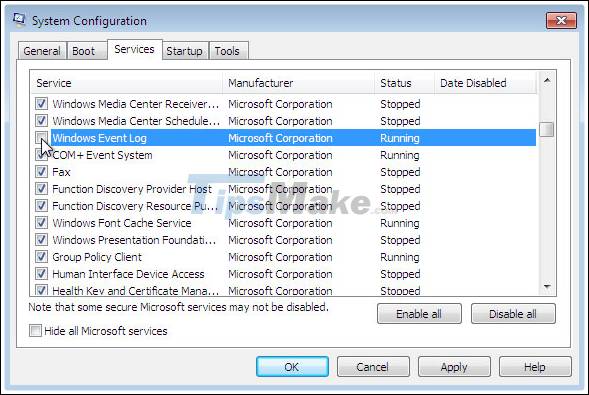
Uncheck the corresponding box to prevent this service from starting and then click OK to finish
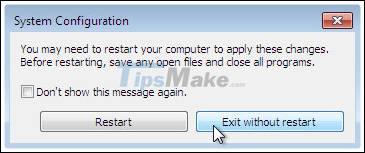
Any changes in System Configuration will be applied later.
Key Takeaways
Use the information above as a practical reference for how to start / stop Windows event log. Review each step carefully, confirm any requirements, and choose the option that best fits your situation.
FAQ
What does this guide explain about Start / Stop Windows Event Log?
It explains the main concepts, practical considerations, and useful steps related to start / stop Windows event log without requiring advanced knowledge.
Who can benefit from learning about Start / Stop Windows Event Log?
This information is useful for readers who want a clear overview, practical guidance, and reliable steps related to start / stop Windows event log.
What should I check before applying this information?
Review the requirements, confirm that your device, software, or situation matches the instructions, and back up important data before making major changes.
Related Articles
 Steps to Use Event Viewer in Windows 106 minutes read
 How to Find Which Processes Stop or Start Windows Services4 minutes read
 How to Fix Pin to Start Error on Windows 105 minutes read
 Fix Event ID 454 Error on Windows 104 minutes read
 3 Ways to Delete All Event Logs in Windows 103 minutes read
 How to Stop an Application from Opening at Startup on a Windows3 minutes read
Reader Comments 0
Sign in with email or Google to join the discussion.