Table of Contents
This guide explains how to split the Drive, Including a Hard Drive in Windows, with clear steps, practical tips, and important checks before you begin.
In Windows 7, you do not need to use any supporting software, with just very simple steps, you can split and merge your hard drive quickly and without losing the existing data in the drive.
In this article I would like to describe in detail how to split and merge hard drive in windows 7.
1. How to divide the drive.
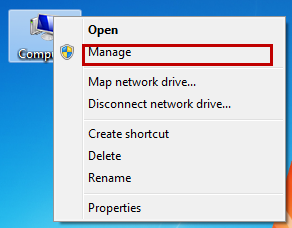
Step 1: Right-click the Computer icon in the Desktop and select Manage .
Then you select Disk Management in Storage .
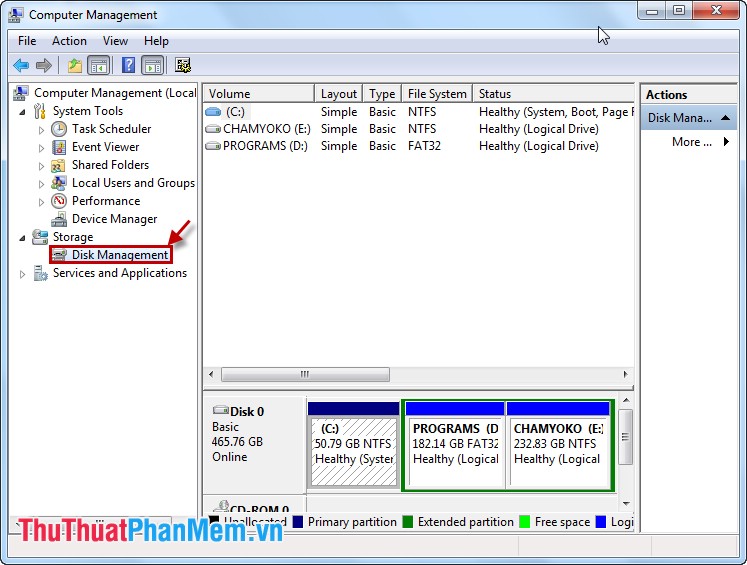
Or you can select Start -> Run ( Windows + R ) in the Run dialog box, type diskmgmt. msc then select OK (or press Enter ).
Step 2: Divide the drive.
You select the drive to split right click and select Shrink Volume .
Note: In case you choose right-click without Shrink Volume, you need to review the format of the drive to be split, you can switch to NTFS to split.

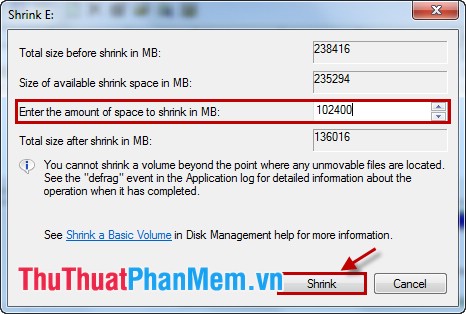
Shrink dialog box appears, enter the amount you need to divide (which is the size of the new drive) into the Enter the amount of space to shrink in MB box . Then choose Shrink to divide.
Step 3: Format the newly created drive.
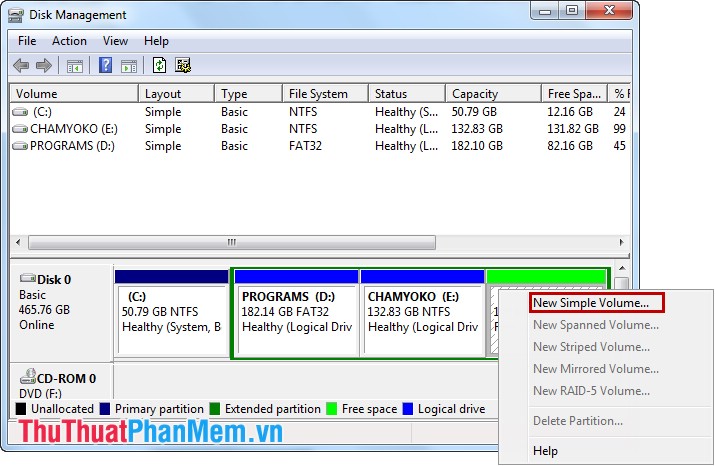
When the partition is finished in the drive table, a new drive has appeared but has not been formatted. Right-click on the drive and select New Simple Volume .
Click Next .
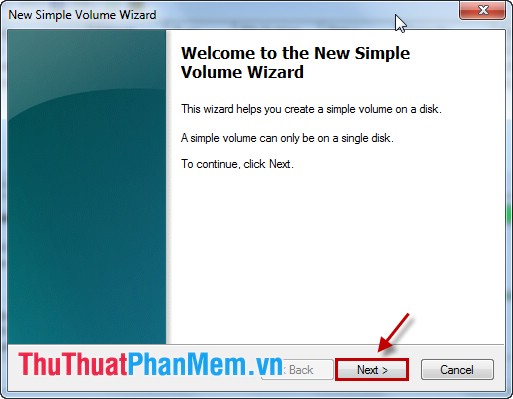
Continue to select Next .
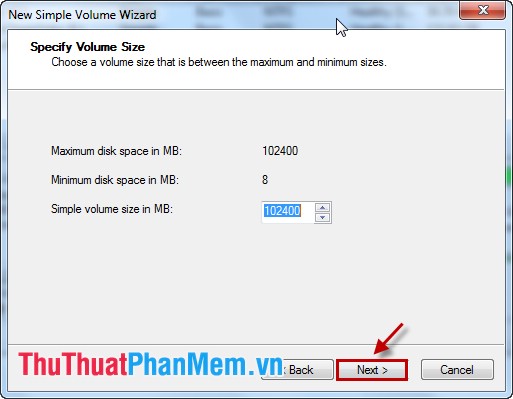
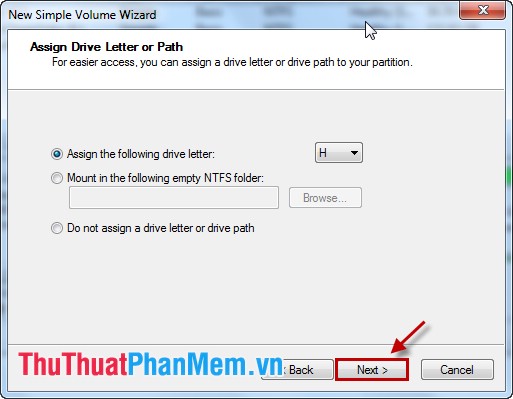
Click Next .
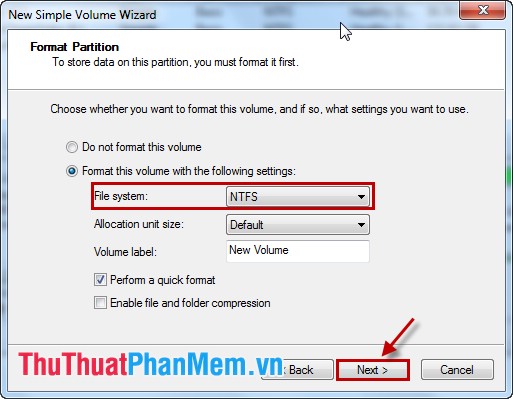
Next, you can change the drive format and select Next .
Select Finish to complete the formatting process. Thus the new hard drive is ready for use.
2. How to merge drives.
Note:
- You can only combine 2 drives located next to each other in the table (highlighted in red):
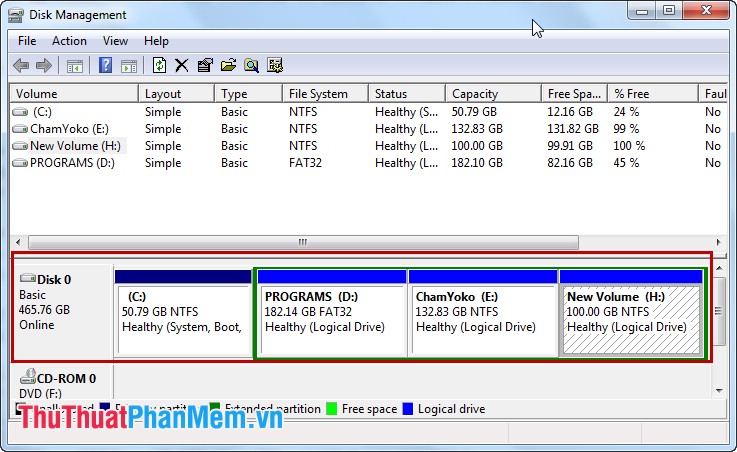
- When merging 2 drives, one of the two drives must be returned to the new format (not formatted). So if you have data, you need to bring the data of the fixed drive to the new drive to avoid losing data.
Step 1: Return the drive to a new, unused format.
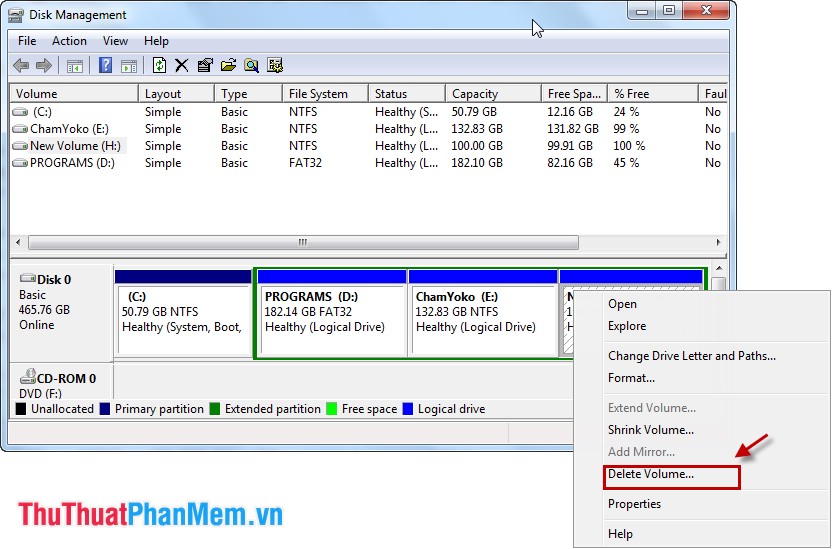
Select the volume to merge, right-click the drive and select Delete Volume .
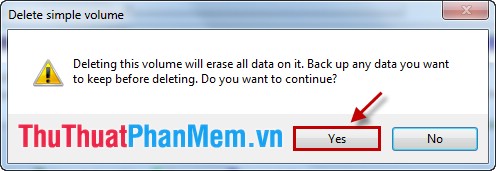
You will receive a message to delete data from the drive, select Yes .
Step 2: Merge the drive.
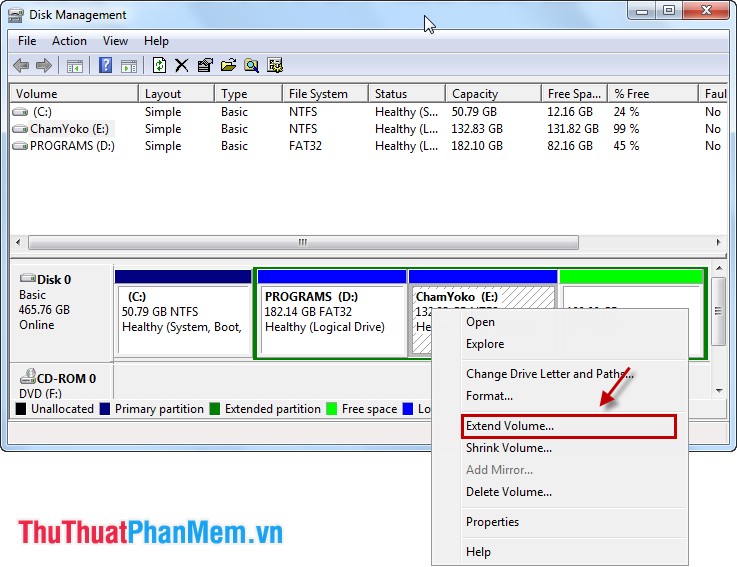
Right-click the pool, and then select Extend Volume .
Click Next .
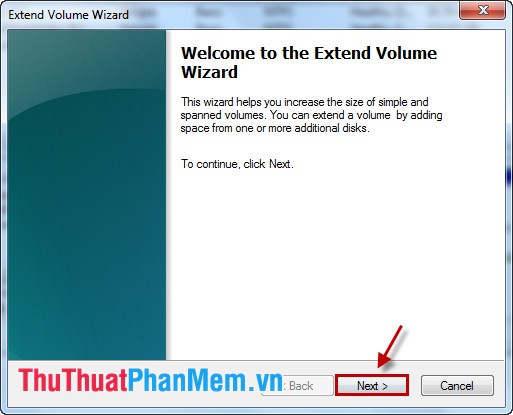
The Extend Volume Wizard dialog box appears, in Available listing the unformatted drives next to the merge volume, select Add to move to the Selected section. There is only 1 unformatted drive, so it is already selected. You choose Next .
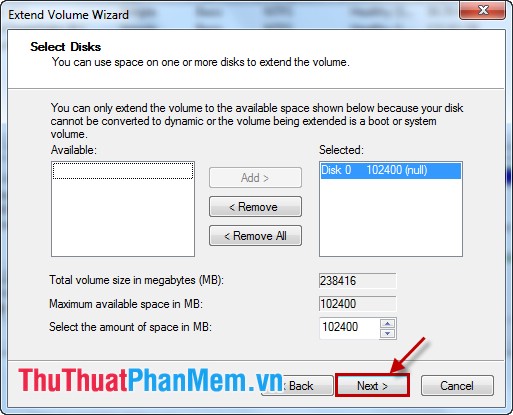
Select Finish to finish.
So you have included the drive. No need for complicated software installation, using the features supported by Windows 7, you can split drives, merge drives quickly and simply. Good luck!
FAQ
What should I know about Split the Drive, Including a Hard Drive in Windows?
Focus on the key features, requirements, limitations, and practical use cases explained in this guide.
How do I get the best results with Split the Drive, Including a Hard Drive in Windows?
Follow the recommended steps, use current software or information, confirm compatibility, and review settings before major changes.
Are there any risks or limitations?
Potential limitations depend on compatibility, data quality, cost, privacy, support, and how the product or method is used.
Related Articles
 Instructions for Dividing Hard Drives Right in Windows 104 minutes read
 How to Split the Hard Drive, Merge the Partition on Windows XP8 minutes read
 Instructions to Divide and Merge Drives Right in Windows 75 minutes read
 How to Split Ms-dos Hard Drive (Fdisk)?10 minutes read
 How to Split the Hard Drive on Windows 11 Without Losing Data4 minutes read
 3 Best Software to Help Split the Hard Drive, Combine the Best Hard Drive7 minutes read
Reader Comments 0
Sign in with email or Google to join the discussion.