Table of Contents
This practical guide walks through how to set up the default email client on Windows 10, explains the main requirements, and highlights common issues that may appear along the way.
If you're uncomfortable with this situation, just choose an email client you like, then set it as the default. Find out how to do it right here.
Set default email client on Windows 10
First, open the Settings Windows application by pressing the Windows + i key combination. Or you can also access the Start menu and click the gear icon on the left.
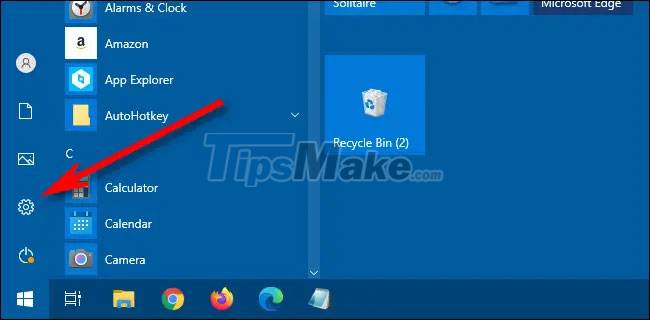
On the Settings interface that opens, click on the 'Apps' item.

On the Apps settings page, click 'Default Apps' in the list on the left. In the Default Apps settings section that appears on the right, click on the Mail application icon (located just below the 'Email' section). This will allow you to choose a new email client that you want to use as the default.

In the 'Choose an App' pop-up menu, click the name of the email client you want to use as the default to open or send email.

Then close Settings and the job is done. The next time you click the email link, the default email client you selected will open.
Hope you are succesful.
Key Takeaways
Use the information above as a practical reference for how to set up the default email client on Windows 10. Review each step carefully, confirm any requirements, and choose the option that best fits your situation.
FAQ
What does this guide explain about Set up the Default Email Client on Windows 10?
It explains the main concepts, practical considerations, and useful steps related to set up the default email client on Windows 10 without requiring advanced knowledge.
Who can benefit from learning about Set up the Default Email Client on Windows 10?
This information is useful for readers who want a clear overview, practical guidance, and reliable steps related to set up the default email client on Windows 10.
What should I check before applying this information?
Review the requirements, confirm that your device, software, or situation matches the instructions, and back up important data before making major changes.
Related Articles
 How to Set Default Email Client in Windows 113 minutes read
 6 Best Email Apps for Mac9 minutes read
 iOS 14 Lets Users Set Chrome as the Default Browser, Gmail as the Default3 minutes read
 Pin Email Account to Start Menu on Windows 104 minutes read
 Launch Email Editor Quickly from Web Browser2 minutes read
 Discover 2 New Vulnerabilities on 2 Popular Email Protocols4 minutes read
Reader Comments 0
Sign in with email or Google to join the discussion.