Table of Contents
This updated guide explains how to Mirror an Android Device on Your TV through clear steps, practical examples, and important checks that help prevent common errors.
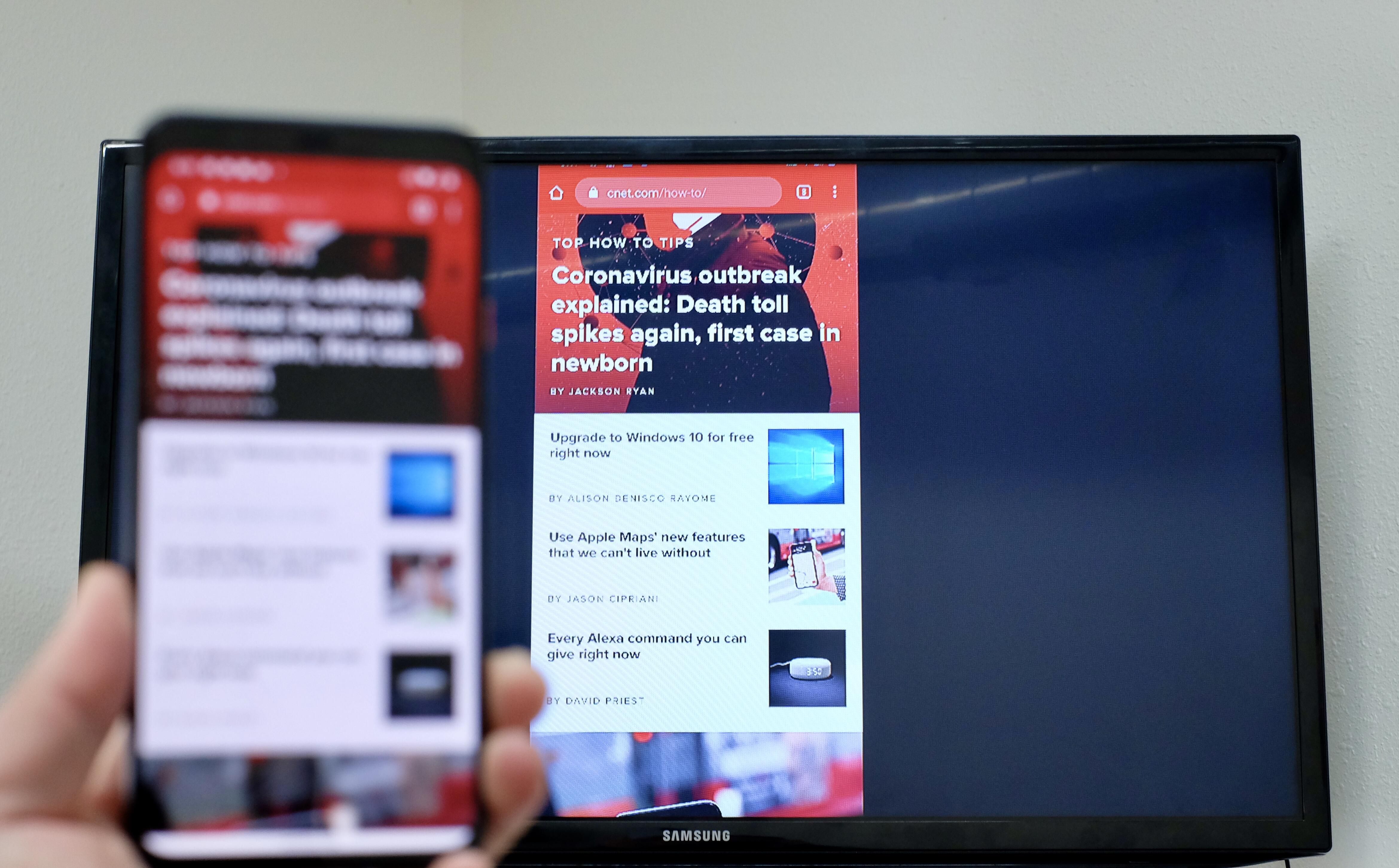
Let's take a look at what you need, as well as a couple of different methods for mirroring your display.
Here's What You Need
Start with an Android phone or tablet -- it should work with device software as old as Android 5.0, which was released in 2014. Supported device list or not, It's possible you'll see a warning telling you that you may have performance issues. The Galaxy S10 has this warning, but in my testing, I haven't experienced any issues.

In addition to an Android phone or tablet, you'll need a Google Chromecast streaming dongle, and either a TV with Chromecast built in or a smart display like the Google Nest Hub. If you don't know whether your TV has Chromecast support, the best way to check is to see if it shows up as an available casting device when you follow either method below.
Use the Google Home App
The most reliable and consistent way to mirror your Android phone's screen is to use the Google Home app. If you've already set up any of Google's smart speakers, Nest Wifi or Chromecast devices, you likely already have it installed. If not, you can download it from the Play store.
With the Home app installed, here's what you need to do:
1. Open the app and select the Chromecast device you may need to use.
2. Select the Cast my Screen button at the bottom of your screen.
3. Accept the prompt that reminds you that whatever is on your phone will be visible on the TV. You may see a second prompt that warns you if your device isn't optimized.
To stop casting your screen, tap on the button labeled Stop mirroring in the Home app.
There's an Easier Way, But It Depends on Your Phone
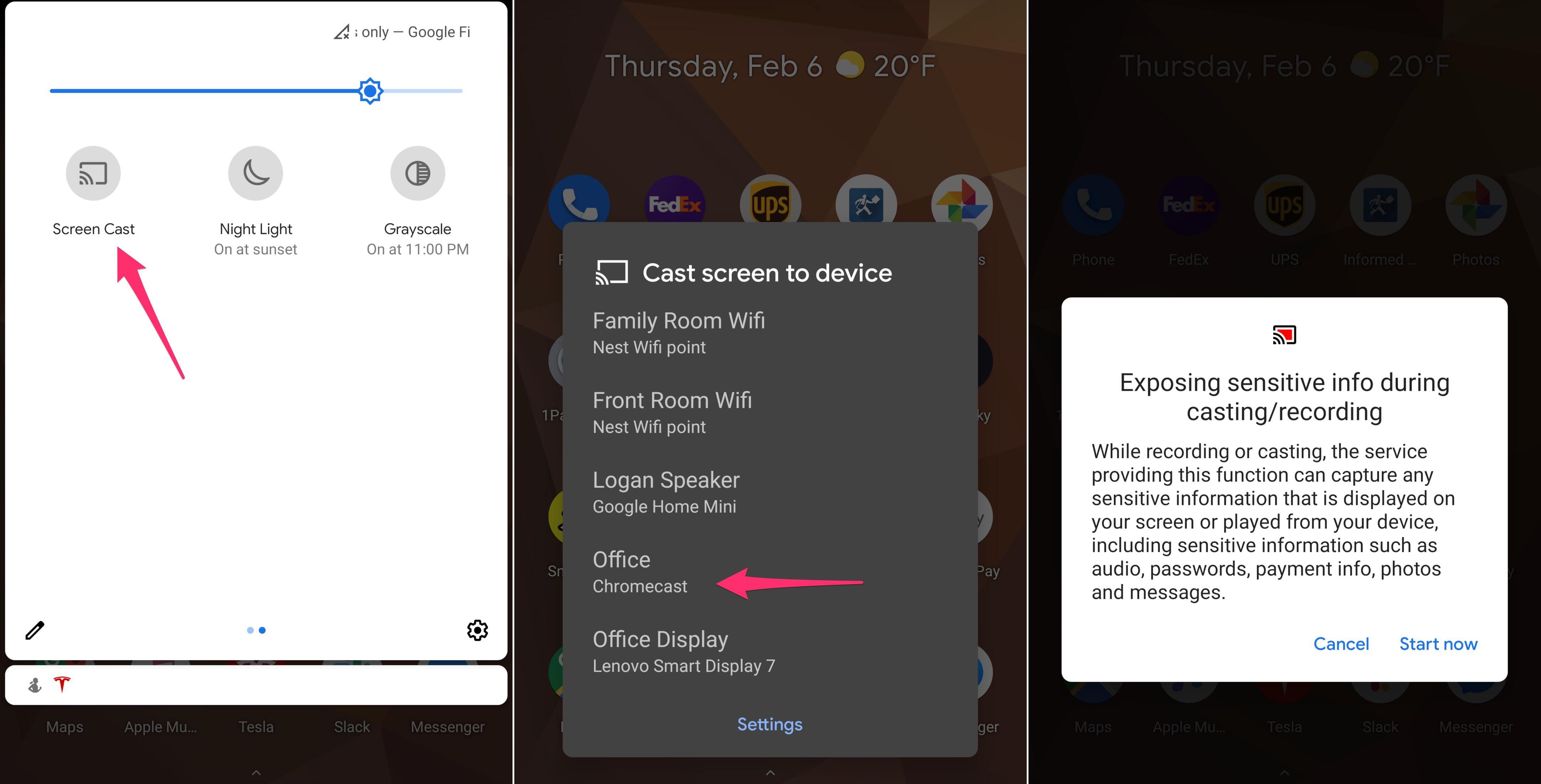
Using the home app isn't a lot of work, but there's an even easier way: Use the Casting shortcut in the quick settings panel. Here's how:
1. Swipe down from the top of your Android device to reveal the Quick Settings panel.
2. Look for and select a button labeled Screencast .
3. A list of Chromecast devices on your network will show up. Select the one that's connected to your TV, and a few seconds later your Android phone's screen will show up.
4. Stop casting your screen by following the same steps and selecting Disconnect when prompted .
If you can't find the Screen Cast option in the Quick Settings panel, tap on the pencil icon to edit which options are available and add the Screen Cast button.
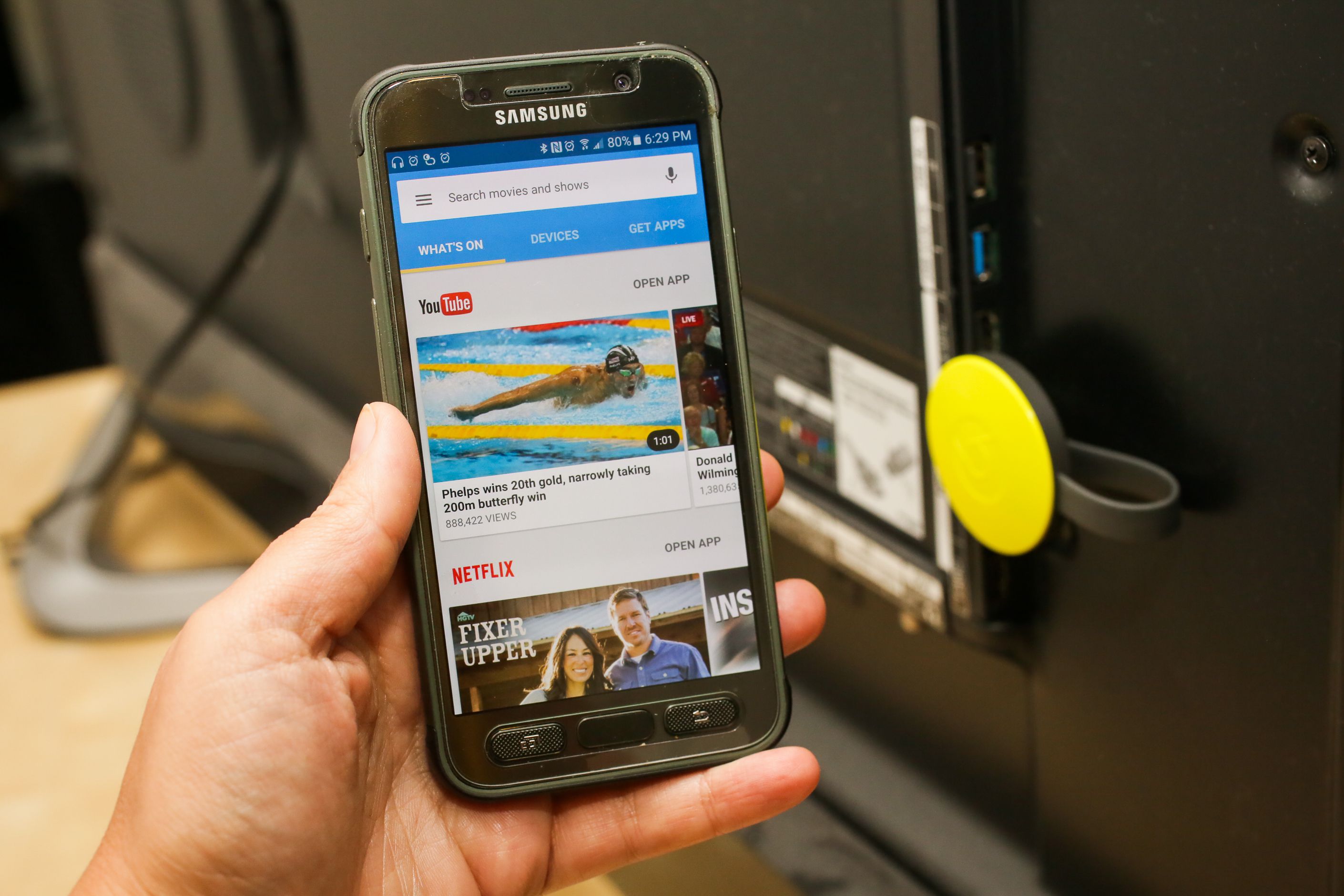
It's not clear why some devices, such as the Samsung Galaxy S10, lack the cast button in the settings panel. If your phone doesn't have the shortcut option, don't give up. You can still mirror your phone using the Home app.
Remember, whenever you're mirroring your screen, anything and everything that shows up on your phone or tablet's display will also show up on the TV. Meaning, any alerts and notifications, along with their contents, will be broadcast for all to see. Also, since there will potentially be a lag between your phone and TV when casting, stick to playing slower games and avoid titles like Fortnite.
If you're looking for ways to get more out of your Chromecast, check out these tips. Google announced six new Assistant features in January you'll want to know, whether you have one of Google's smart speakers or displays.
FAQ
What is the easiest way to Mirror an Android Device on Your TV?
Start with the requirements in this guide, then follow each step in order. Check the result after every major change so problems are easier to identify.
Can beginners follow these instructions?
Yes. The process is organized into practical steps, and you can repeat any step before moving forward.
What should I check if the method does not work?
Confirm your software or device version, permissions, settings, file format, and internet connection when the task depends on online services.
Related Articles
 Make Your Own Smart Mirror with Raspberry Pi 35 minutes read
 Smart Mirrors Integrate Computer Touch Screens Like in Science Fiction Movies2 minutes read
 Learn About Technologies in the Black Mirror8 minutes read
 Deciphering the Mystery Behind Louis Alvarez 1743 Killer Mirror10 minutes read
 What Color Is a Mirror? Interesting Facts About Mirrors That Not4 minutes read
 How to Project an Android Screen on a Computer14 minutes read
Reader Comments 0
Sign in with email or Google to join the discussion.