Table of Contents
This guide explains how to resolve Slow Responsive Keyboard Errors on Windows 10, starting with the most likely causes and moving through practical troubleshooting steps.
Launch the System Maintenace
Sometimes cleaning out unused files and shortcuts will help you troubleshoot software problems, often causing keyboard malfunctions. Doing:
• Go to Control Panel> Troubleshooting.
• Navigate to the System and Security section and click on the Run Maintenance Task option.
• Follow the instructions to run the system maintenance troubleshooter.
Once done, check to see if the issue has been resolved. If not, try the next step.
Adjust the Character Repeat parameter in Keyboard Properties
Character Repeat rate is a parameter that shows the delay value of character display when you type. Sometimes this parameter improperly adjusted can also make you feel the keyboard response is delayed. Doing:
• Press the key combination Windows + R.
• In the Run dialog box, type control keyboard and press Enter.
• In the Keyboard Properties window, click the Speed tab.
• Next drag the slider at Repeat rate to the highest level. Finished click OK.
Then check that the keyboard is working properly again. If not, try the next step.
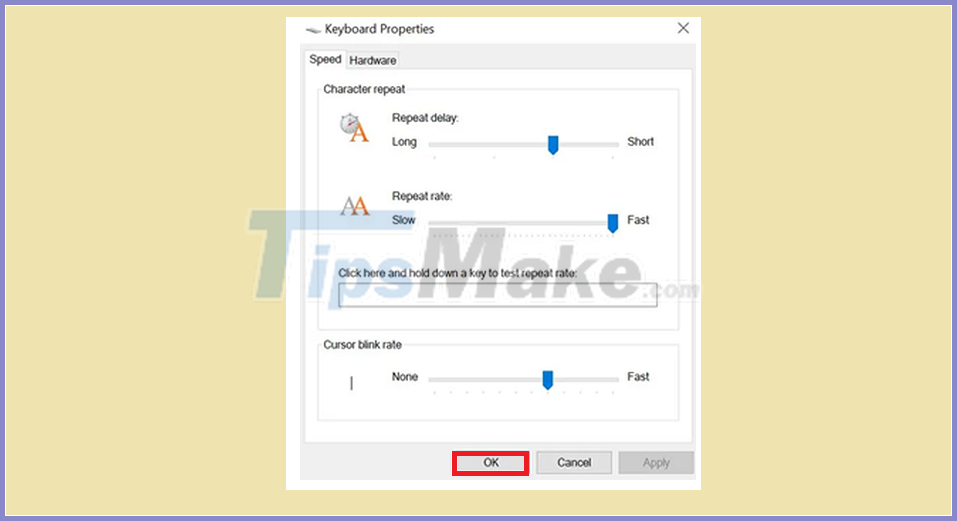
Adjust the Repeat rate parameter to speed up the display of characters
Turn off Filter Keys
• Press the Windows + I key combination to open the system setting window.
• Open Ease of Access, then select Keyboard in the left menu column.
Finally turn off the Use Filter Keys option.
Use the DISM tool
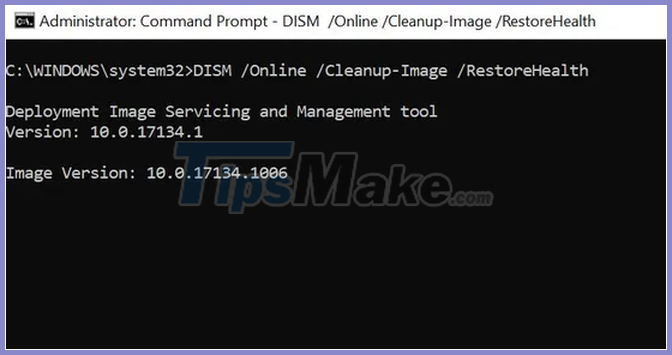
• Open Start menu, search for Command Prompt application (cmd) and launch it as Administrator.
• In the command line execution window, type: DISM. exe / Online / Cleanup-image / Restorehealth and press Enter.
After completing the test, close the Command Prompt window and reboot the system.
Create a new user account
If you still cannot fix the error, try creating another account on the system to use. Most likely the files in the account's profile are damaged, so try creating a new account to use.
Reinstall keyboard driver
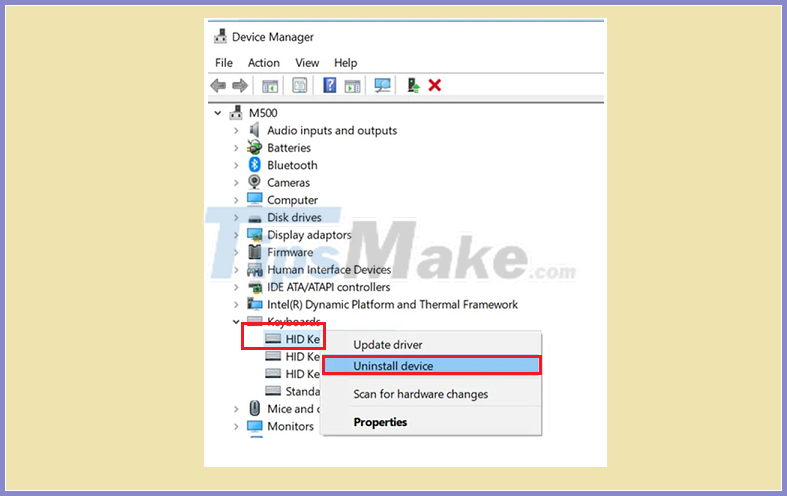
• Press the key combination Windows + X, then choose Device Manager> Keyboard.
• Expand Keyboard options, right-click on the device name of the keyboard and choose Uninstall.
Then reboot the system to apply the change, then try to check if the keyboard is working quickly again.
Use Clean Boot mode
• Press the Windows + R key combination, enter the keyword msconfig and press Enter.
• On the General tab, select the Selective startup line, then check the 2 boxes Load System services and Use original boot configuration.
• Select next through the Services tab, select the option Hide All Microsoft Services. Done, press the button Disable all.
• Click the Startup tab and click Open Task Manager. Turn off Task Manager and click OK to save the settings.
Finally restart the machine to check. End Dable In_article Widget / For inquiries, visit http://dable. io
FAQ
What usually causes Slow Responsive Keyboard Errors on Windows 10?
The cause may involve incorrect settings, outdated software, damaged files, permission problems, device compatibility, or a temporary system issue.
What should I try first to resolve Slow Responsive Keyboard Errors on Windows 10?
Restart the affected app or device, install pending updates, verify settings and connections, and follow the troubleshooting steps in order.
How can I prevent the issue from returning?
Keep software updated, maintain backups, avoid interrupted installations, and review system or device settings after major changes.
Related Articles
 How to Fix Typed Keyboard Errors When Entering Content7 minutes read
 Tips to Help You Create Responsive Layouts Easily5 minutes read
 Design Website Running on Multiple Devices (Responsive Web4 minutes read
 9 Ways to Fix Keyboard Typing Delay on Windows 10/118 minutes read
 Instructions for Troubleshooting Windows 7 Network Errors16 minutes read
 Hacks for Building a Mobile-First Responsive Website7 minutes read
Reader Comments 0
Sign in with email or Google to join the discussion.