Table of Contents
This guide explains how to resolve Full Disk Error 100% on Windows 10 Effectively, starting with the most likely causes and moving through practical troubleshooting steps.
1. Disable the Superfetch service
The Superfectch service is one of the causes of the Full Disk error, so we need to turn it off.
Step 1: You press Windows + R to open the Run dialog box, then type Services. msc and press Enter
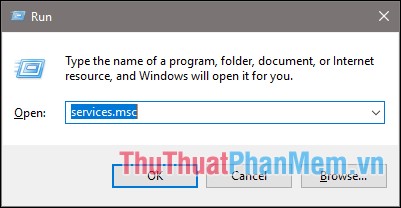
Step 2 : Services window pops up looking for and double-click on Superfetch service

Step 3 : A new window appears, select Disabled then click Stop and click OK .

In addition to the Superfetch service, you can disable the Windows Search service to fix full disk errors.
2. Set additional virtual RAM for the computer
Step 1 : You open the search function enter keywords performance then select Adjust the appearance and performance of windows.
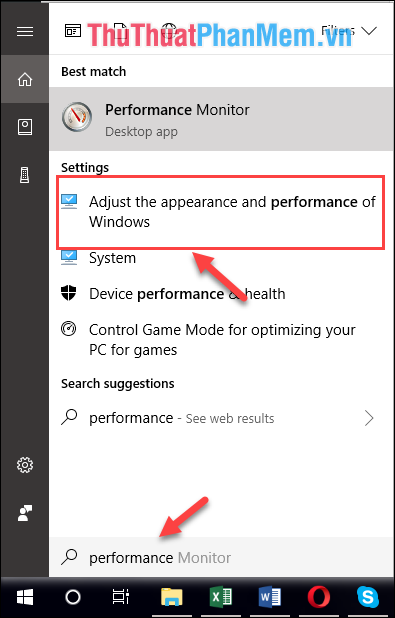
Step 2 : In the Performance Options window, select the Advanced tab and then select Change.
In the Virtual Memory window, uncheck Automatically manage paging file size for all drives.
Next, select Custom size and then enter the virtual RAM capacity in the Initial size box (You enter the capacity in the Recommended size.
Finally click Set and click OK is done.
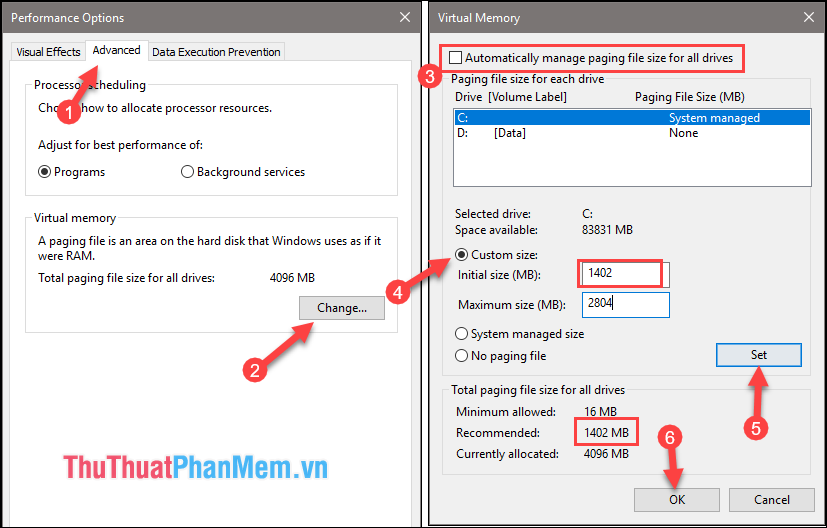
After setting up the virtual Ram, reboot your computer to see if it has run out of full disk.
3. Run the automatic troubleshooting Troubleshooting
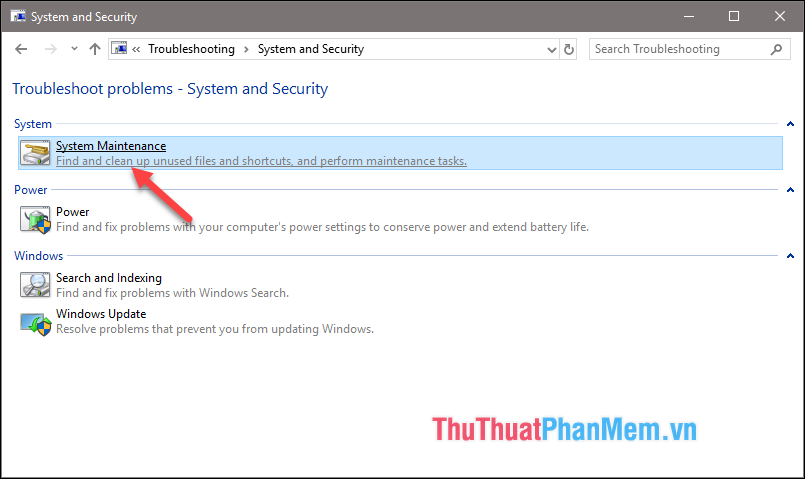
Step 1 : Go to Control Panel and look for Troubleshooting , next click on System and Security.
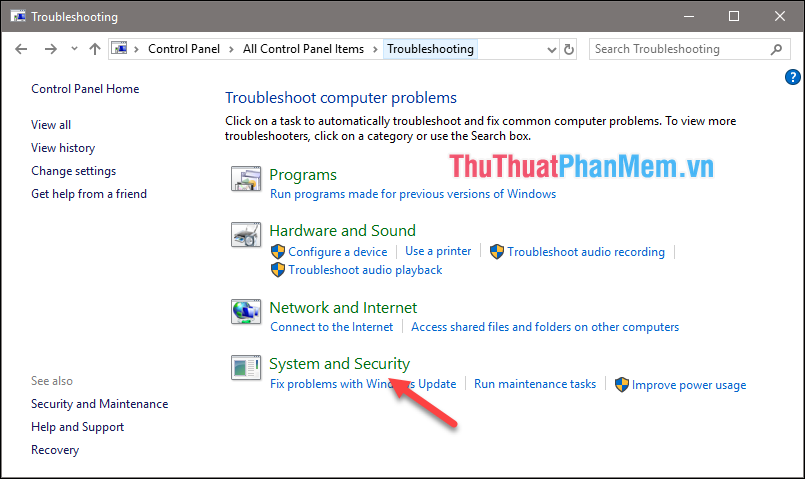
Step 2 : Select System Maintenance then click Next and select Try troubleshooting as an administrator.
Then wait for your computer to scan for a while and click Close to finish.
4. Turn off background applications
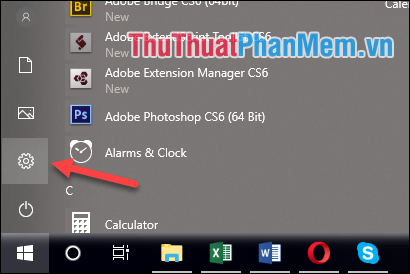
Step 1 : Open the Start menu and select Settings
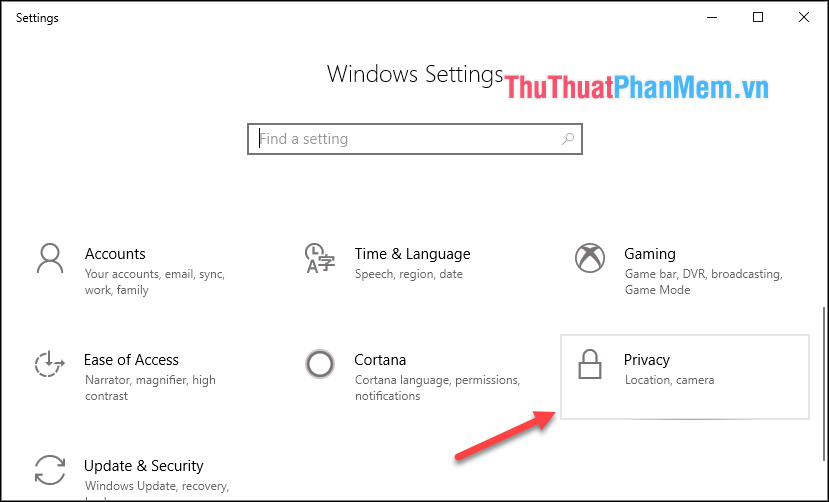
Step 2 : You select the Privacy section
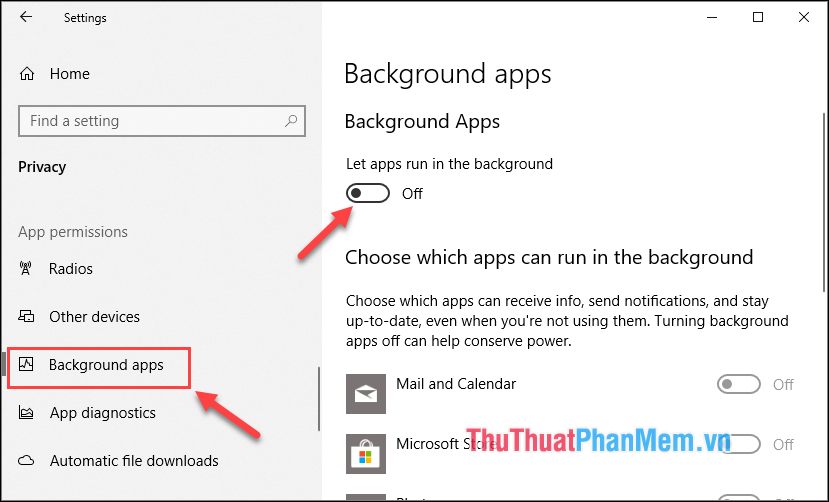
Step 3 : You select the Background apps section then turn off Let apps run in the background (Switch from On to Off). So we have successfully turned off applications that run in the background.
5. Upgrade to SSD
If all of the above methods do not work, you should consider upgrading the hard drive from HDD to SSD. Ensure this way the Full disk error will run out of 100%, in addition, when upgrading the SSD, your computer will operate extremely fast because the access speed of the SSD is very fast.
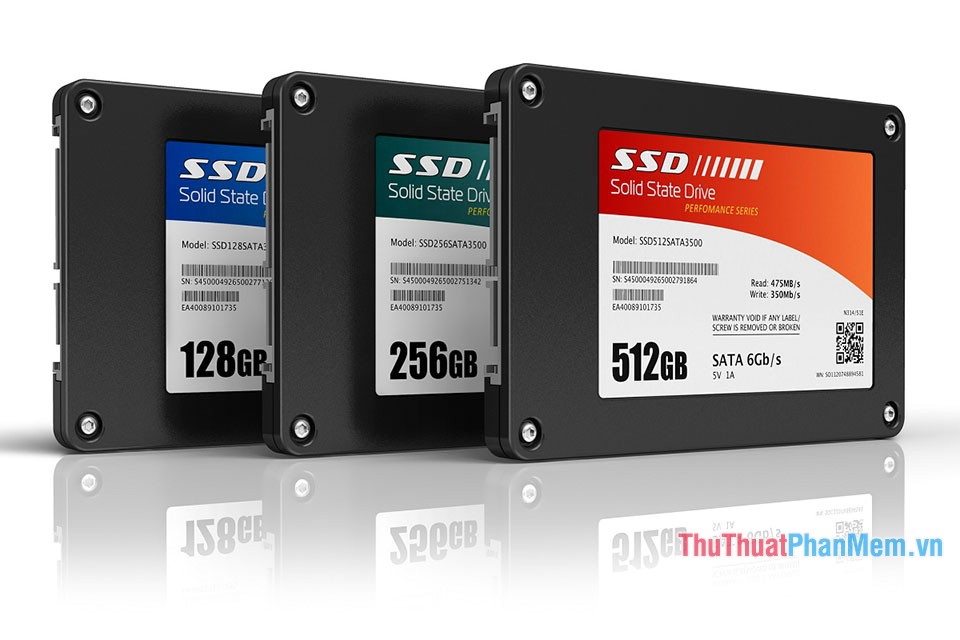
Above are some of the most effective methods to fix full disk error on windows 10, hopefully through this article you will fix the full disk error for your computer. Good luck!
FAQ
What usually causes Full Disk Error 100% on Windows 10 Effectively?
The cause may involve incorrect settings, outdated software, damaged files, permission problems, device compatibility, or a temporary system issue.
What should I try first to resolve Full Disk Error 100% on Windows 10 Effectively?
Restart the affected app or device, install pending updates, verify settings and connections, and follow the troubleshooting steps in order.
How can I prevent the issue from returning?
Keep software updated, maintain backups, avoid interrupted installations, and review system or device settings after major changes.
Related Articles
 5 Steps to Fix 100% Full Disk Error on Windows4 minutes read
 Fix 100% Full Disk Error on Windows with the Following 14 Tips10 minutes read
 12 Steps to Fix Full Disk Error 100% on Windows 1012 minutes read
 How to 3 Ways to Fix Full Disk Error 100% on Windows Most3 minutes read
 How to Create Disk Full BAT File Repair Windows 107 minutes read
 Instructions for Fixing 100% Full Disk Error on Windows 103 minutes read
Reader Comments 0
Sign in with email or Google to join the discussion.