Table of Contents
This practical guide explains how to fix copy error 0x80030001 in windows with clear steps and useful context. It also covers common requirements, potential problems, and the details that can help you get better results.
Below are the troubleshooting methods that you can apply to deal with this problem once and for all.
1. Scan for Malware
Malware can affect the overall functionality of the system, including file management processes. In the case of this error, it is likely that a malware infection is causing disruption or conflict manifesting as a replication error.
Here's how you can scan for malware and fix it:
- Make sure your anti-virus software is up to date. If not, update it.
- Once done, do a full system scan using the security program. This will check all the files and folders on your computer, checking for any potential problems that might be contributing to the problem.
- If malware is detected, follow the steps recommended by your antivirus to remove it. While at it, you should scan the system with System File Checker (SFC). This tool is built into Windows and can fix any corruption or inconsistencies in the system that could lead to problems. You will need to access the Command Prompt with admin rights to proceed with this step.
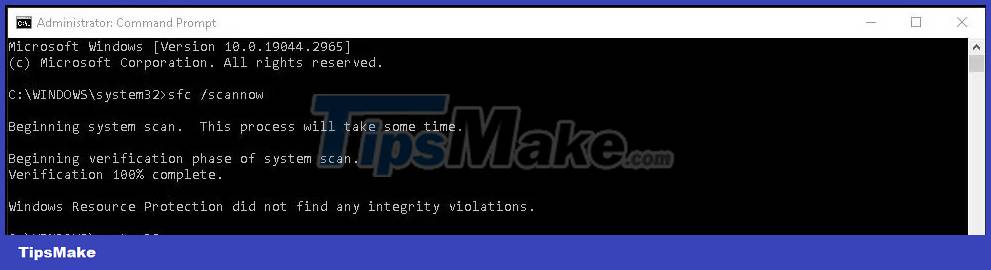
Once the scan has been performed, close your antivirus and malware program. Try to copy the desired file again and check if the problem is resolved.
2. Check the Drive for Errors
You may also encounter errors due to a problem with the file system or a corrupted drive. To check if this is the cause, you can perform a drive check. This will identify and fix any potential errors, thereby resolving the replication problem.
Here's how you can do it:
1. Press the Win + E key combination to open File Explorer. Alternatively, you can click the Explorer icon on the taskbar to launch it.
2. Navigate to the drive you want to check and right-click on it.
3. Select Properties from the context menu.
4. Go to the Tools tab and click the Check button in the Error-checking section.

5. If prompted, click Scan drive or Repair drive to start checking the drive.
6. Windows will now start scanning the drive, identifying any errors and attempting to repair them. This process may take some time to complete, so please be patient.
You can then use the CHKDSK utility on Windows via Command Prompt to check the health of the targeted drive and fix potential errors. Once done, try to perform the original action that caused the problem. If the problem is caused by a problem in the drive, then the steps above should fix it successfully.
3. Windows Update
Another way to fix copy errors is to update Windows, as Windows updates often include fixes and patches that address known problems and vulnerabilities in the system. These updates can also resolve issues related to file operation, including copying errors.
If you want to know more about how to do this, see how to update Windows manually.
4. Disable Anti-Virus Software
Although anti-virus programs protect your system from malware and viruses, there are cases where they can interfere with file operations, including the copying process, leading to problems like this.
To determine if a security program is causing the conflict, you can temporarily disable it and then try to copy the targeted file. Usually, you can do this by right-clicking the antivirus icon on the taskbar and choosing Disable until the computer is restarted .
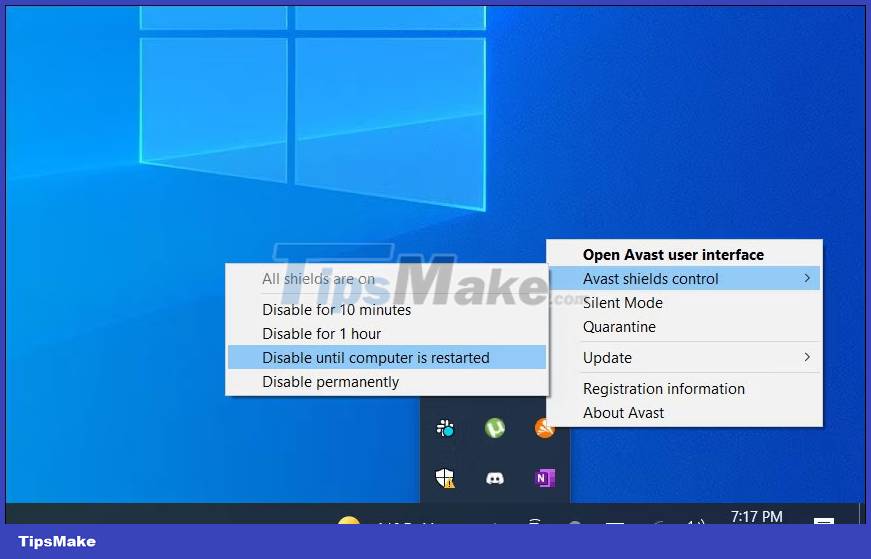
If you can copy files after turning off your antivirus, you might consider switching to a better and more reliable alternative. In addition, you can also use Windows Defender Firewall to protect your system.
5. Copy Files in Smaller Numbers
If you are trying to copy a large number of files simultaneously, you may encounter this error due to overloaded system resources.
To ensure that system resources are distributed more evenly, you can try copying files in smaller quantities. This will reduce the possibility of resource depletion and minimize disruptions or conflicts.
This can also make it easy to identify problematic files that are contributing to the problem.
6. Use Another File Copy Tool
If you're still having problems with the default file copying tool in Windows, you may want to consider using an alternative tool with better compatibility and error handling. Here are some popular third-party file copying tools that you can try:
- FastCopy
- TeraCopy
- FreeFileSync
Alternatively, you can try copying files in Safe Mode. When in Safe Mode, Windows starts with minimal drivers and services, which can help get rid of any background processes that might be hindering the copying process and causing errors. Safe Mode provides a simplified environment capable of solving the problem you are facing.

You can also use the System Restore utility to revert the system to a state where no replication issues occurred. However, this fix will only work if you have already created restore points on your computer.
Conclusion
Understanding 0x80030001 makes it easier to compare options, avoid common mistakes, and apply the information in this guide more effectively. Review the relevant requirements before making changes or choosing a solution.
FAQ
How do you fix copy error 0x80030001 in windows?
Follow the steps in this guide in order, confirm the required settings or tools, and verify the result before making additional changes.
Is it safe to fix copy error 0x80030001 in windows?
It is generally safe when you follow the recommended instructions, use trusted tools, and avoid changing settings you do not understand.
What should you do if the process does not work?
Recheck the requirements, restart the device or application when appropriate, and review each step for missed settings or compatibility issues.
Related Articles
 Fixing Errors Cannot Copy Paste in Windows7 minutes read
 How to Fix the Screen Error of Windows 7/8 // 8.1 // 10 Is Black7 minutes read
 13 Ways to Fix Cannot Copy/Paste Error in Windows 10, 8.1, 7: Best Options14 minutes read
 How to Fix Error Cannot Copy Data in Excel Files4 minutes read
 How to Fix the Error of Not Being Able to Copy Paste in Windows 11: Complete10 minutes read
 Reg Copy: Reg Command Copy in Windows4 minutes read
Reader Comments 0
Sign in with email or Google to join the discussion.