Table of Contents
This practical guide explains how to find Large Files on Linux in a clear sequence, including preparation, key settings, common mistakes, and troubleshooting steps.
What This Guide Covers
- Find large files using GUI tools
- Find large files using FTP software
Discover how to find large files and duplicate files to free up more usable space and improve system performance.
Find large files using GUI tools
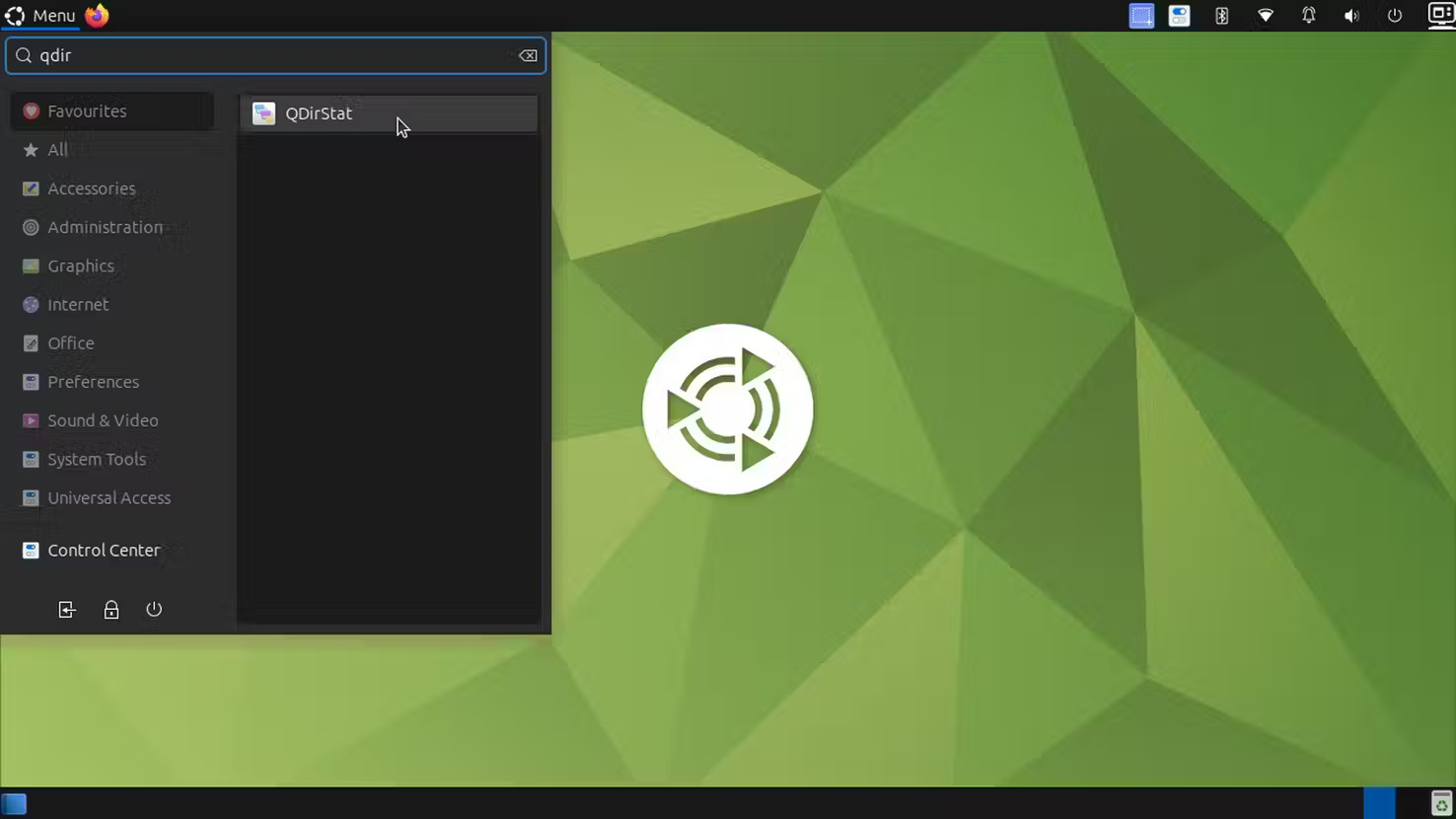
The easy way first. QDirStat is a GUI application for the Linux desktop that you can install using this terminal command:
sudo apt install qdirstatWhen running QDirStat, it will ask you to select a folder to scan before listing the size of the folder and the files in it. You can then use the Discover > Largest Files menu item to find the largest files. In the Locate Files window , sort them by Size and you will see the largest files in descending order.
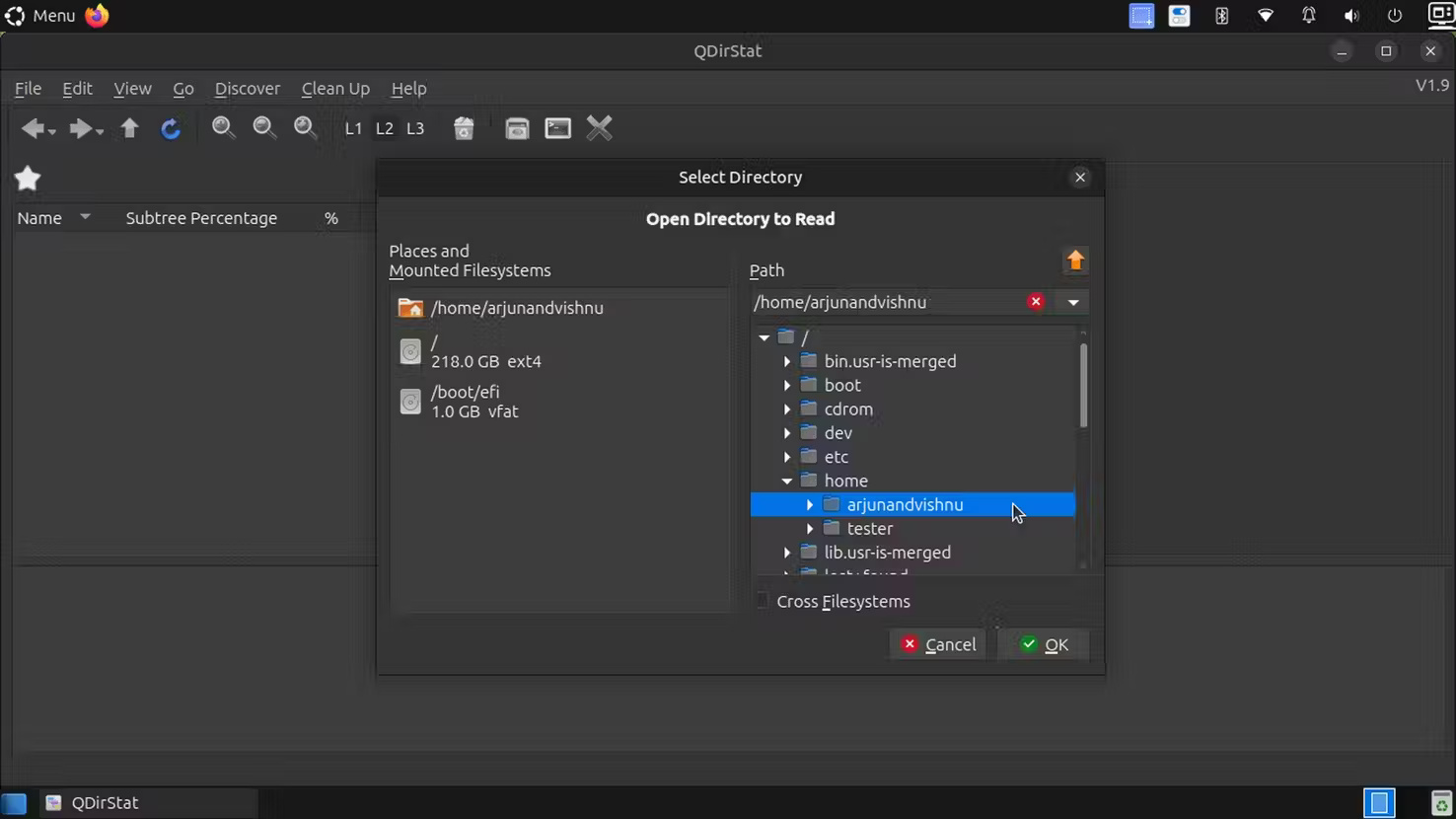


You may notice that QDirStat shows some folders in red. This means you do not have read permission to access those folders.
To resolve the issue, run the program with superuser rights as follows:
sudo qdirstat


Find large files using FTP software
FileZilla FTP application has great file search features that you can use on your local machine. Make sure SSH is installed, or install with:
sudo apt install sshNext, install FileZilla using this command:
sudo apt install filezilla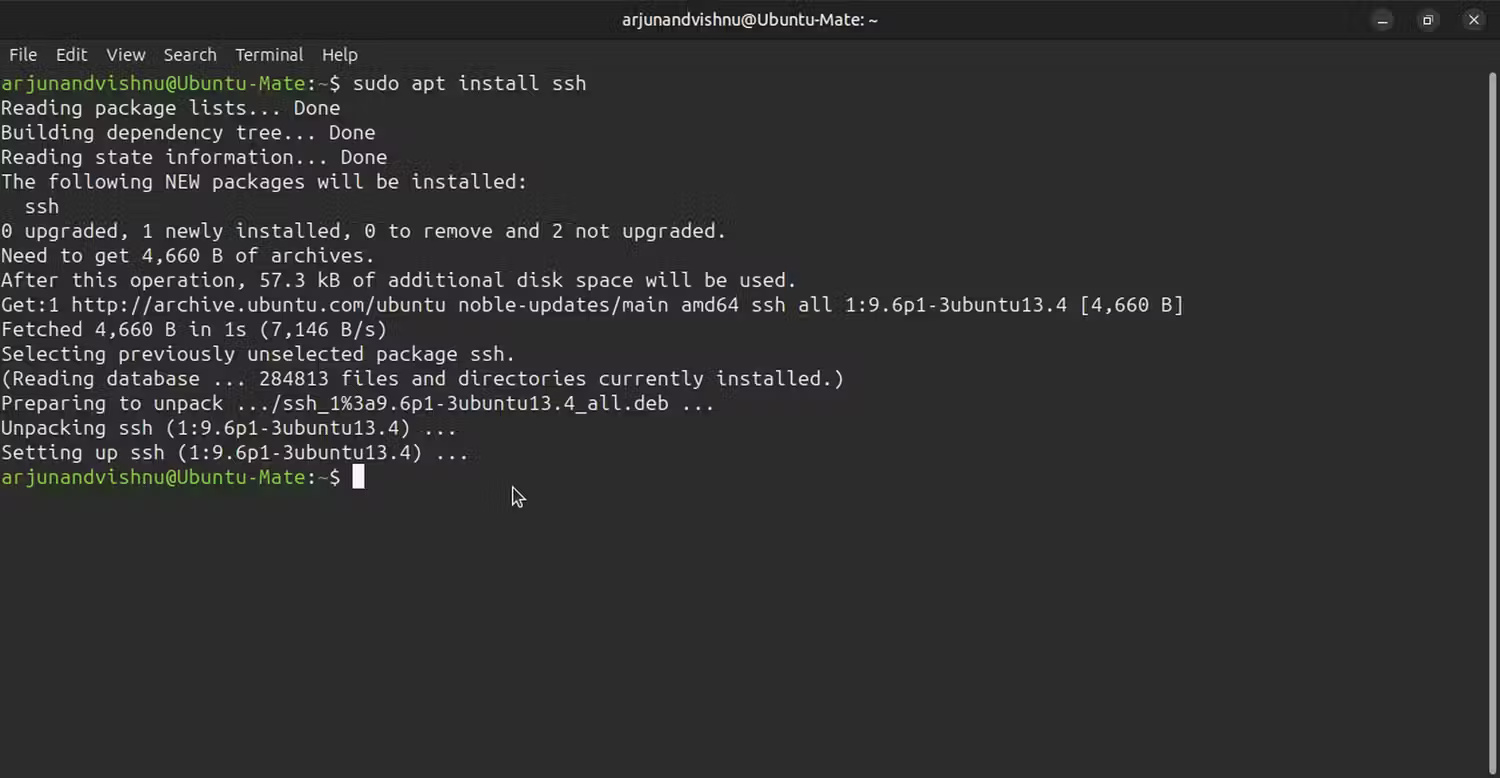

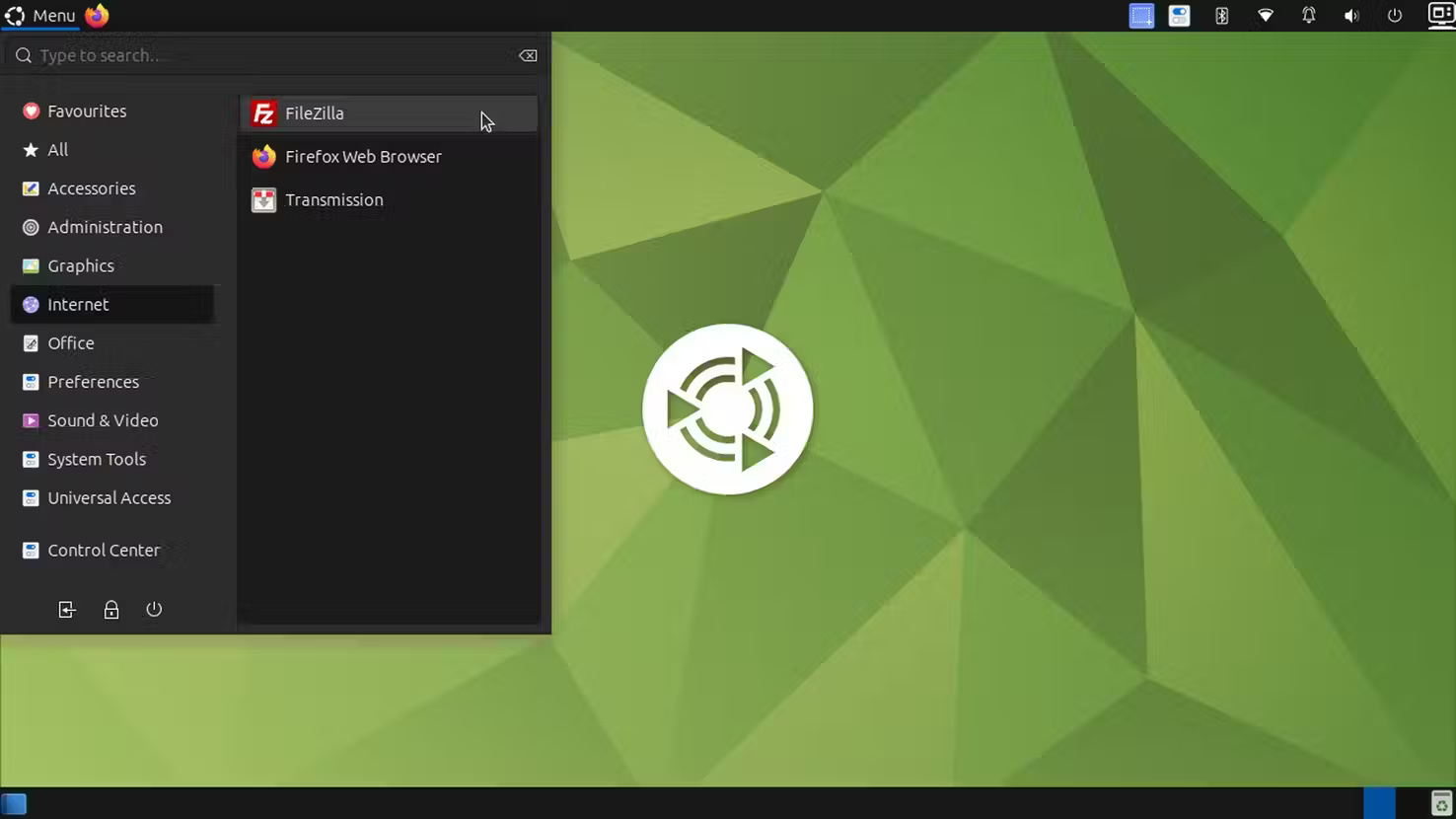
After installing FileZilla, you can use it to search your local files:
1. Open FileZilla and connect using the following credentials:
|
Host: |
localhost |
|
Username: |
Your username |
|
Password: |
Your password |
|
Port: |
22 |
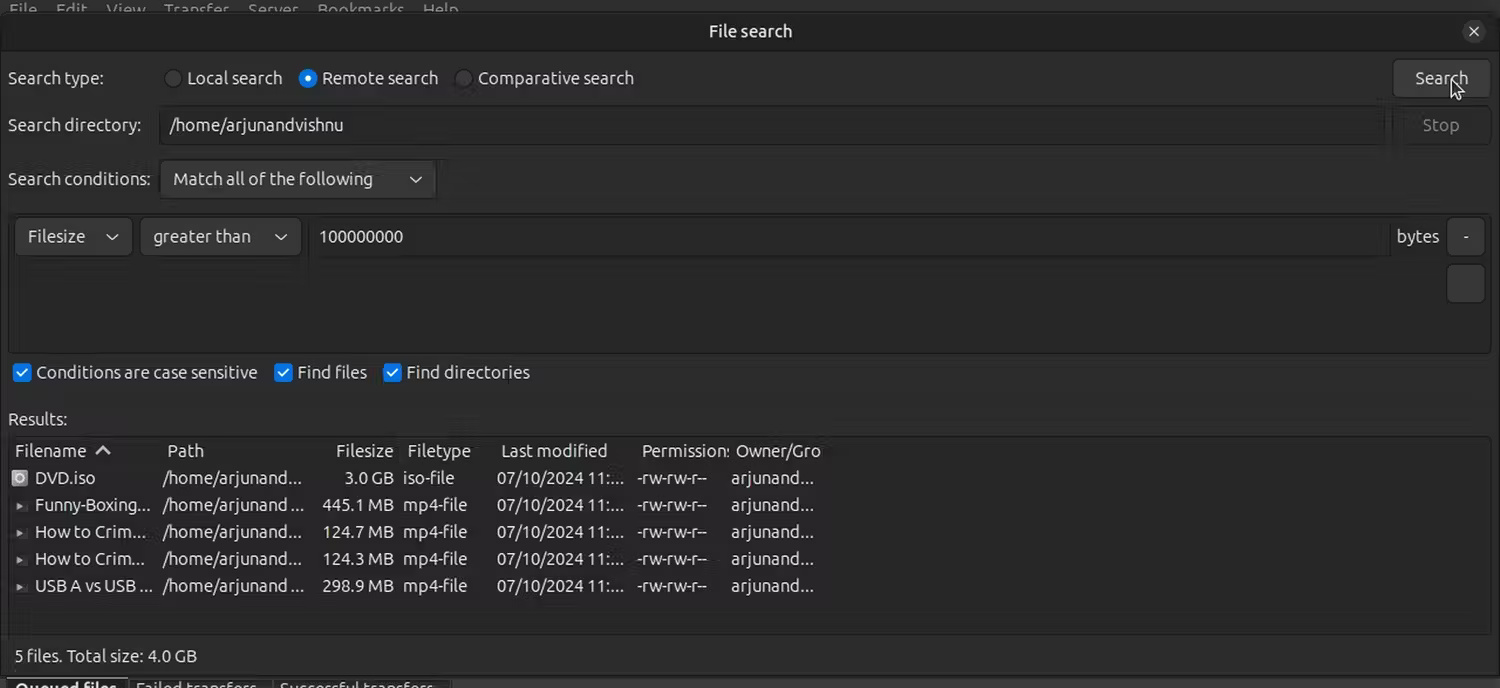
2. Once you're connected, select Server from the menu, then select Search remote files .
3. Select the Search folder and in Search conditions , select File size from the drop-down box and, for example, greater than 100MB.
4. Clicking Search will only show you files of the desired size.
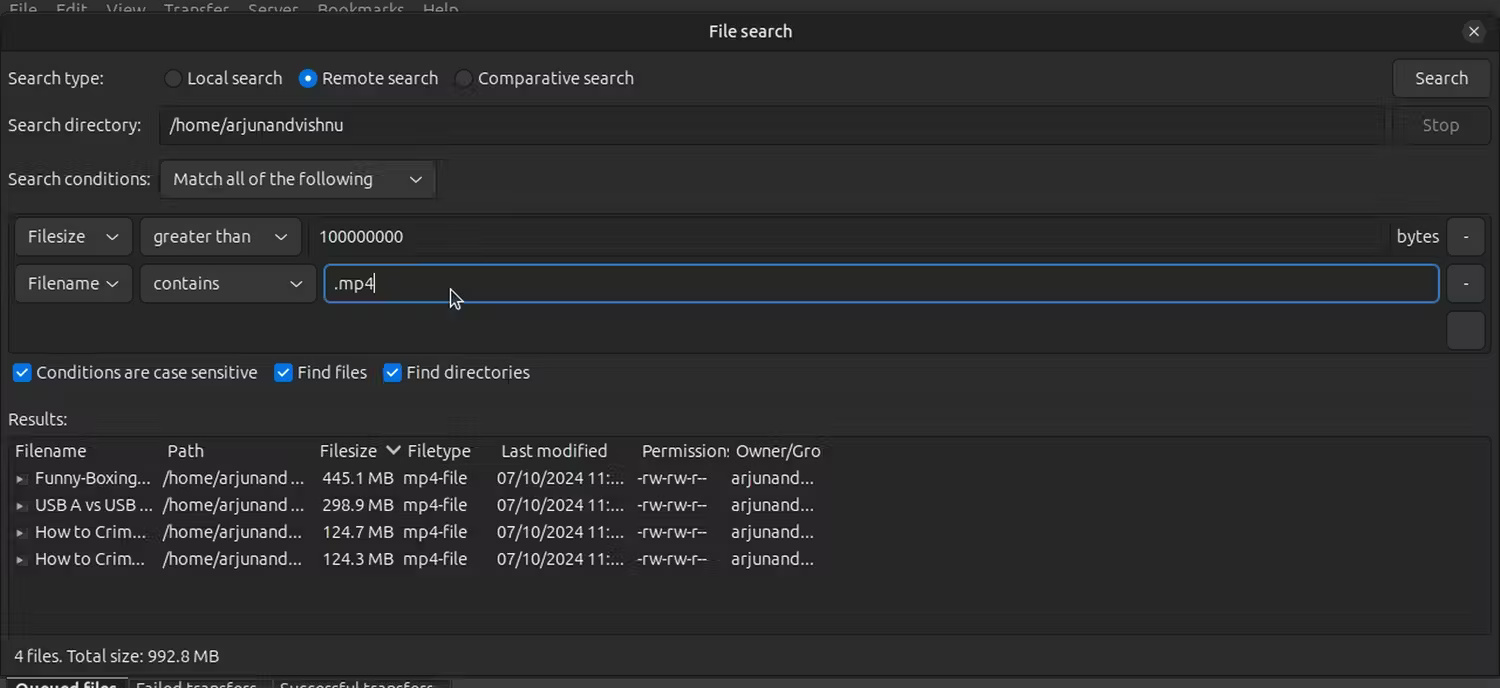
You can filter the search further by adding conditions, for example, the video file has the MP4 extension.


Tip : This process is also useful when you want to search large files on a remote Linux server, especially if you don't have access to a terminal. You will need to replace the authentication information with the FTP details.
Final Thoughts
Use the instructions and checks above in order, verify the result after each major step, and keep a backup whenever the process changes important files or system settings.
FAQ
What should I check before starting?
Confirm that your device or software version matches the instructions, save important data, and note the original settings before making changes.
What should I do if the steps do not work?
Restart the app or device, install available updates, review any error message, and repeat the steps carefully in the same order.
Can I undo the changes?
Many changes can be reversed, but the exact method depends on the feature. A backup or restore point gives you the safest way to recover.
Related Articles
 The Easiest Ways to Find Large Files on Windows8 minutes read
 Find Large Files in Windows 10: How to Find Large Files on3 minutes read
 How to Find Files in Linux: Clear Instructions10 minutes read
 How to Find Files / Folders Taking up a Large Capacity on6 minutes read
 Search for Files and Directories in Linux Using the Command Line10 minutes read
 Instructions for Using Find Command in Linux6 minutes read
Reader Comments 0
Sign in with email or Google to join the discussion.