Table of Contents
As AI tools improved, people relied heavily on Claude as a personal editor who was always ready to assist.
A person wrote Google Business Profile posts and social media content for a local small business client for five years. Then, that person got a full-time position elsewhere, began exploring newer features of Claude, and built a workflow so efficient that the client asked them to switch entirely to the tool. The old workflow was no longer "written by AI," but rather AI-powered.
For more context before choosing a tool, compare Claude and ChatGPT and review these practical AI tools for students.
Claude acts as a personal editor.
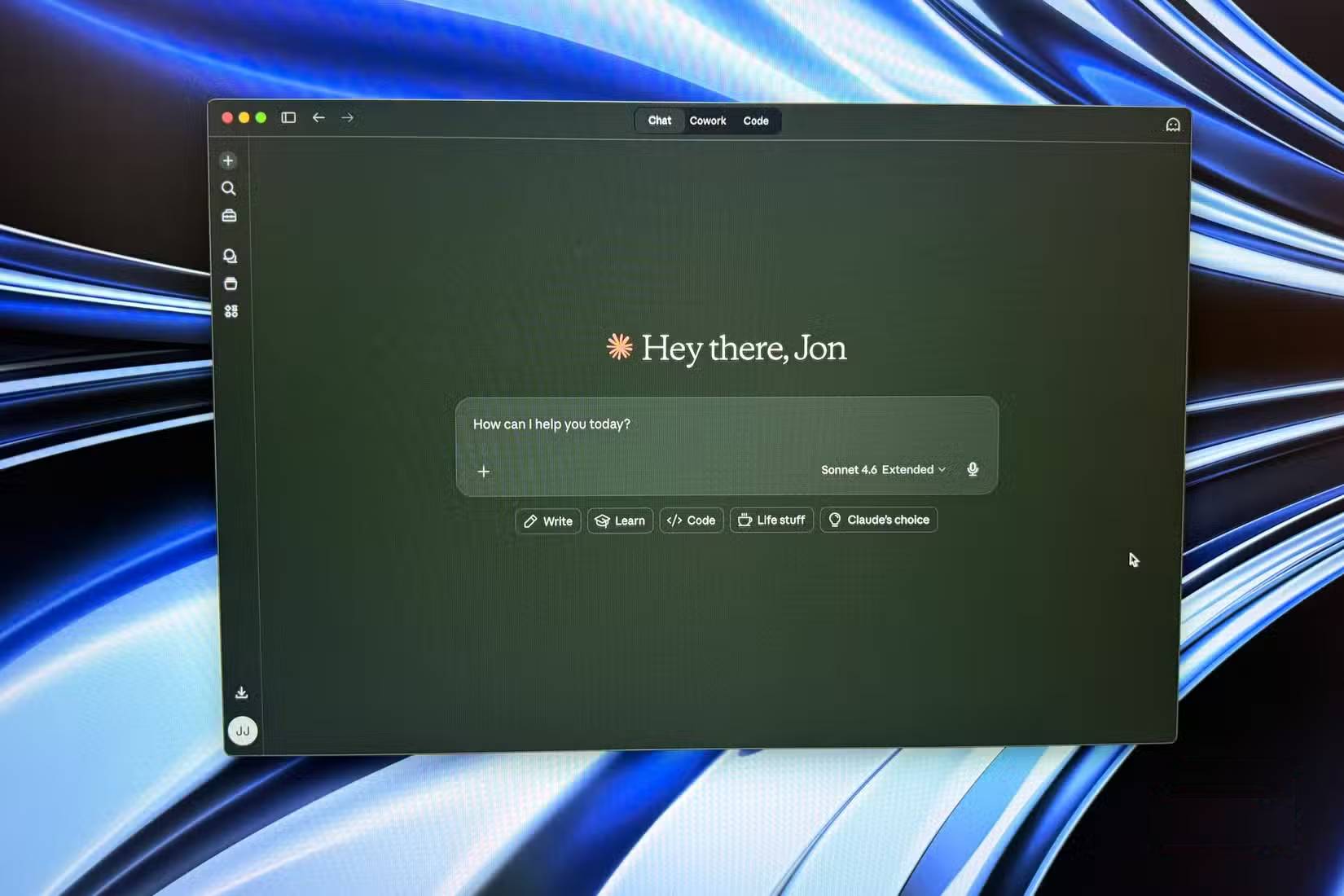
In the past, people wrote everything themselves: posts, captions, and scheduled content. The tone and specificity of human-written content are difficult to replicate, and both are crucial for local business content.
As AI tools have become increasingly sophisticated, people have relied heavily on Claude as a personal editor always ready to assist. They can draft a series of posts, then run them through Claude along with the client's style guidelines. It will point out tone inconsistencies, suggest sharper calls to action (CTAs), and detect things that are technically sound but lack vitality. When brainstorming topics, Claude will help find perspectives you wouldn't have thought of yourself. When unsure whether a post aligns with the client's brand tone, ask Claude to compare it to previous examples.
This distinction is crucial for those working in writing; Claude acts as a reviewer and optimizer, while the content remains yours. That balance works well—good output, faster turnaround times, and you never feel like you're handing over complete control to something that doesn't understand the client. Any freelance writer considering incorporating AI into their workflow doesn't need to fully embrace it. There's a balance point, and it's a fairly comfortable position to work in.
Learn more about Claude Skills and Claude Cowork.
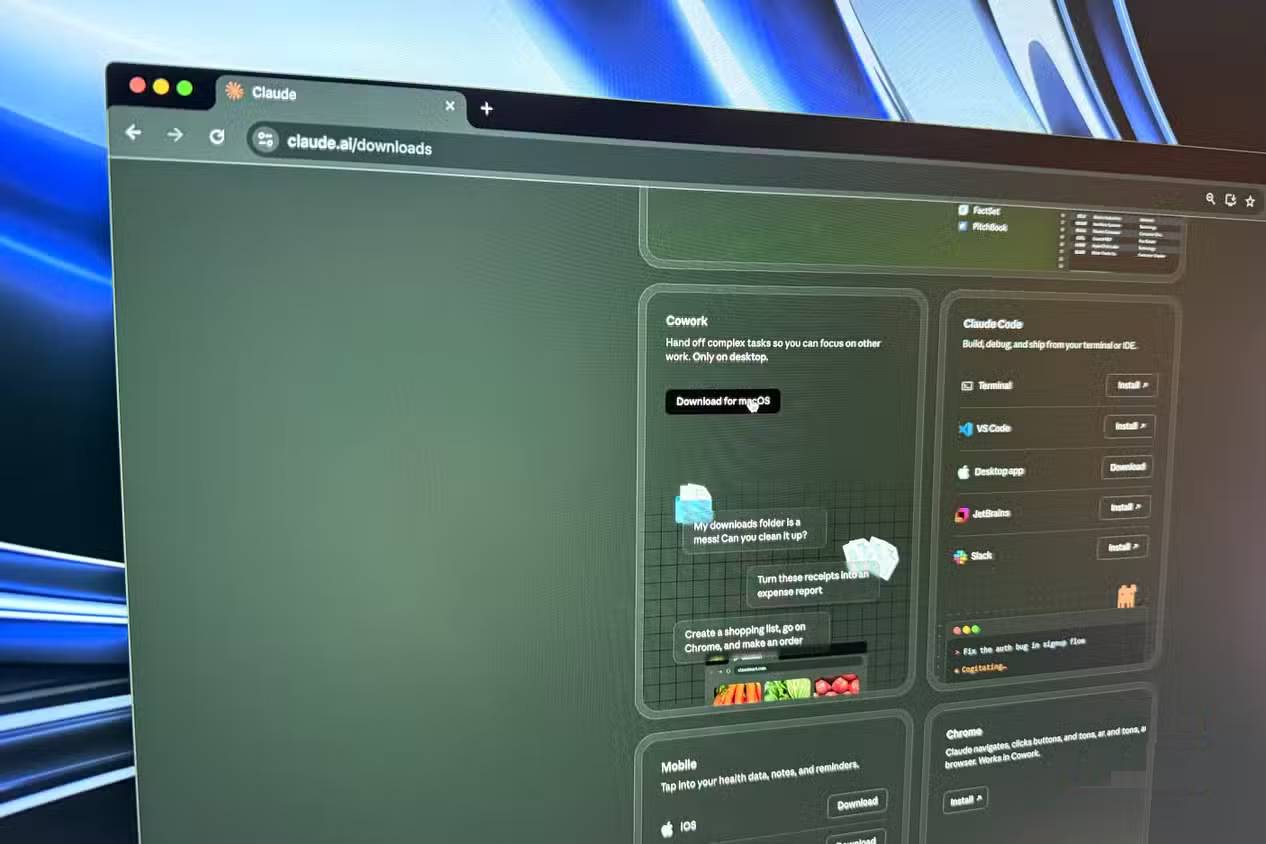
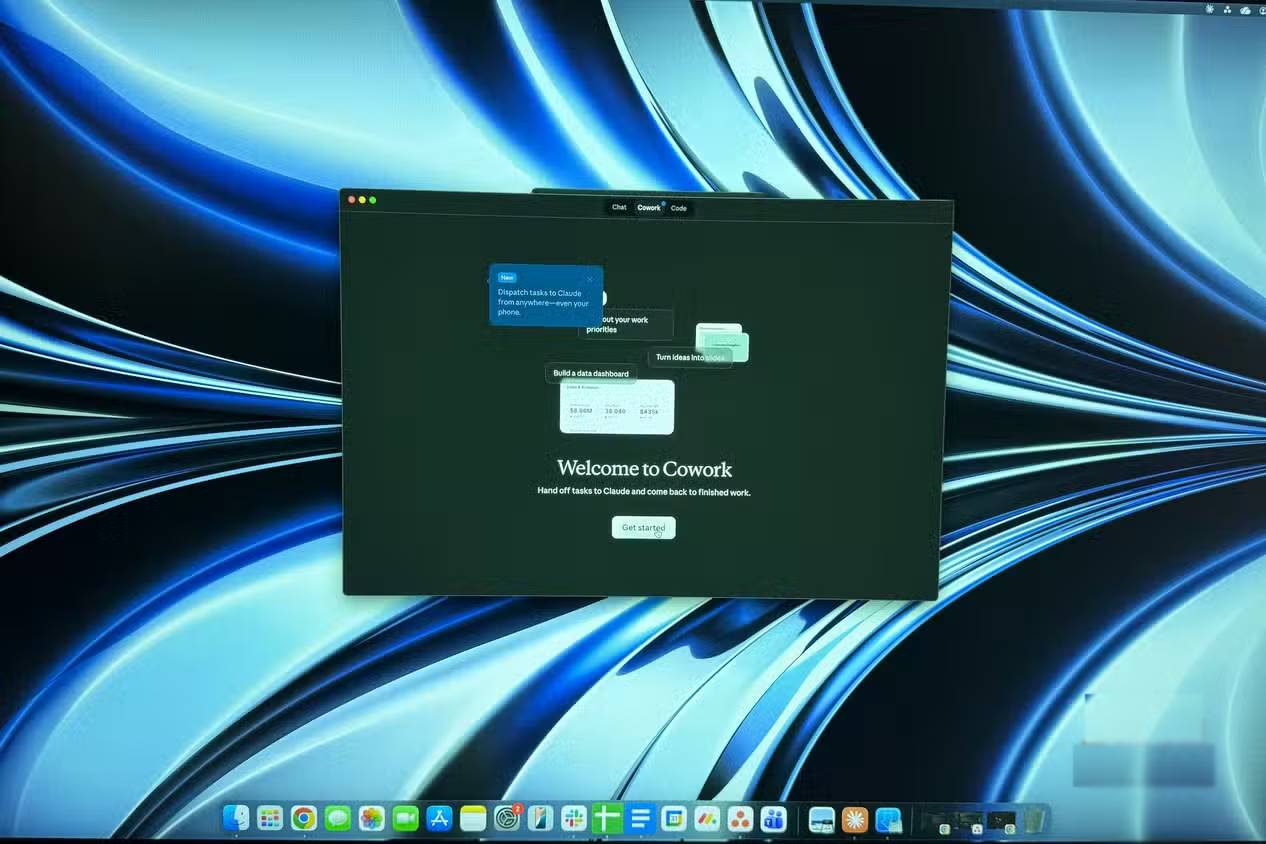
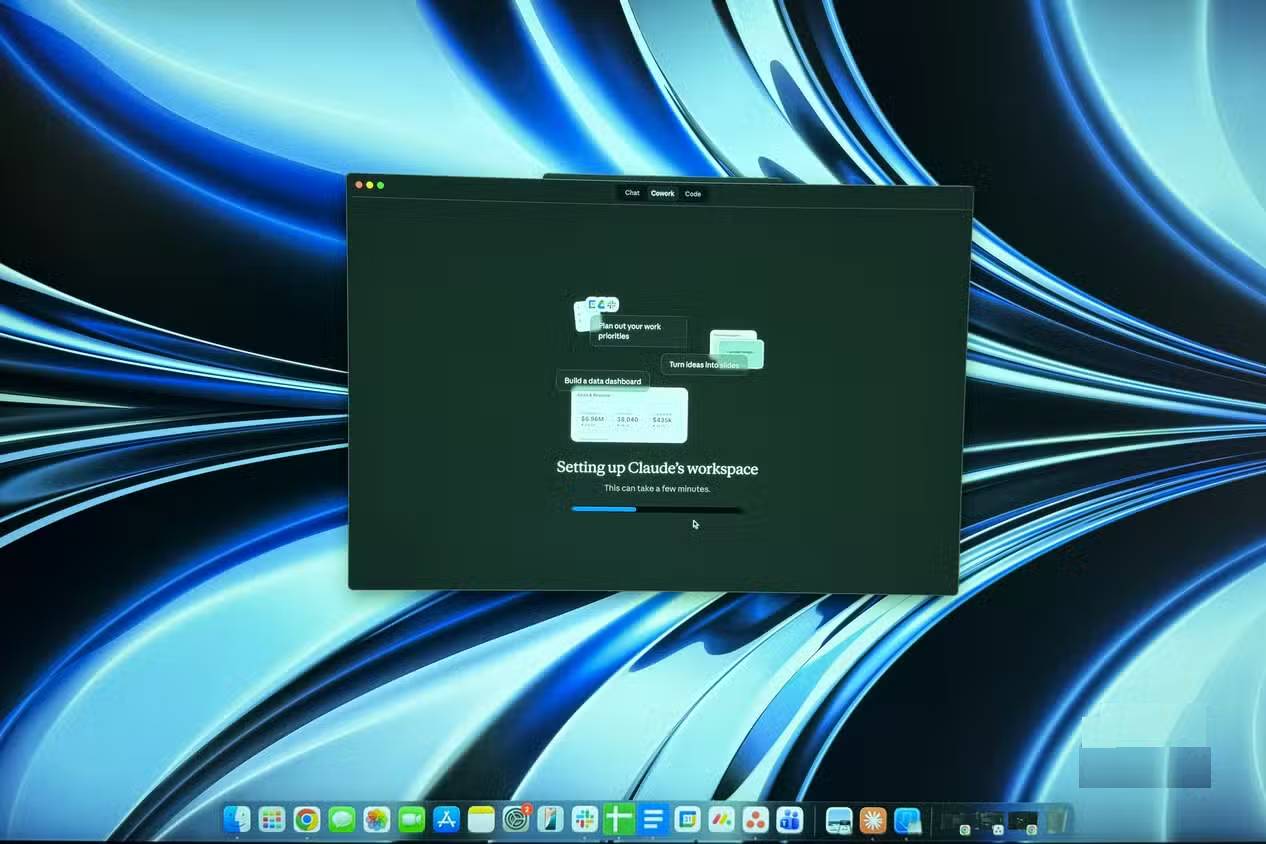
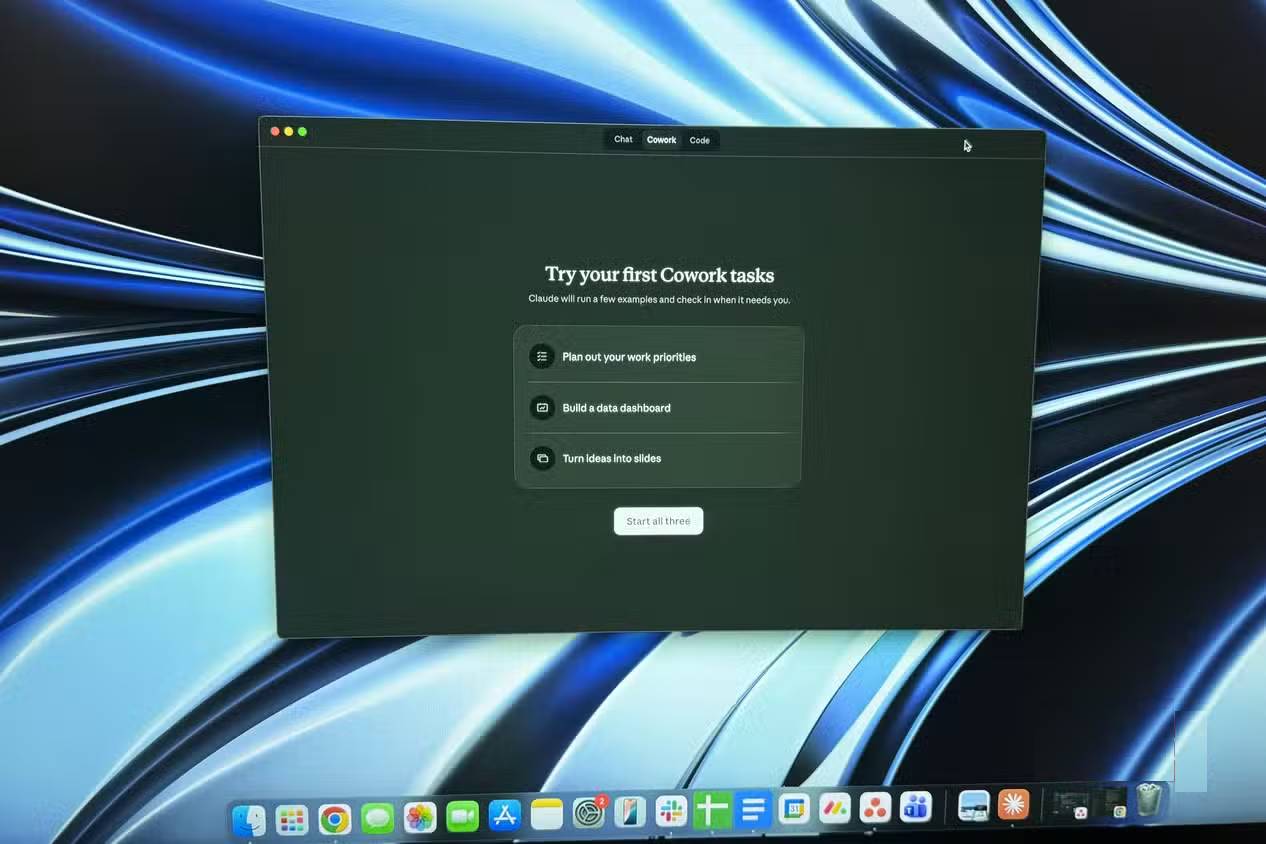
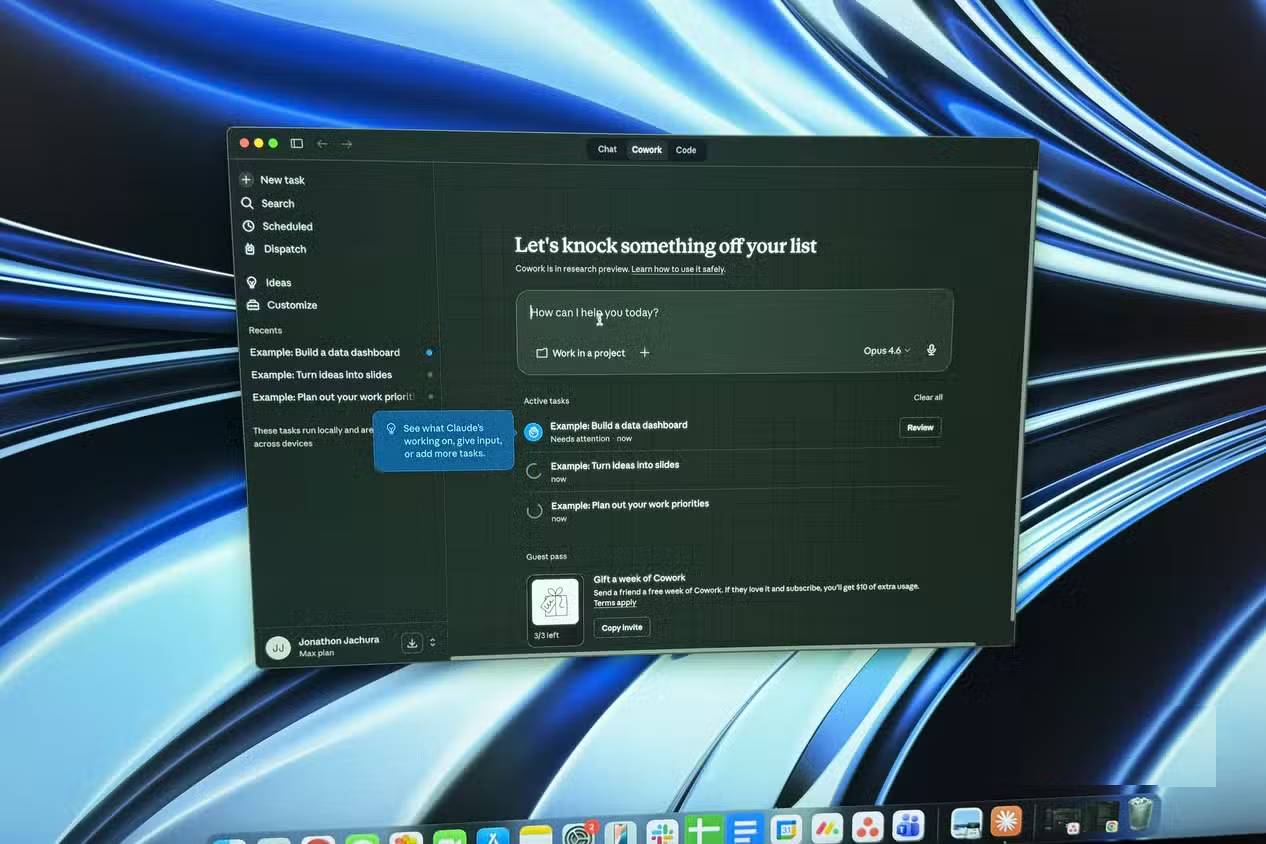
Claude Skills and Claude Cowork are Anthropic's desktop tools, offering similar capabilities to Claude Code for those who aren't interested in the command line. They run locally in an isolated virtual machine, reading files from directories you specify and handling multi-step tasks without requiring you to monitor each operation.
Create a folder containing your client's branding guidelines, tone notes, a few dozen sample posts you've written over the years, and a basic template prompt. Then, direct Cowork to that folder and ask it to generate posts. The first attempt isn't perfect—which rarely happens with any new workflow—but it's very close to perfection. After several rounds of editing and skill updates, the drafts have the right tone, theme, and length. They read like the content clients typically receive from you.
The handover process via Claude Cowork is quite simple and doesn't require in-depth technical knowledge.
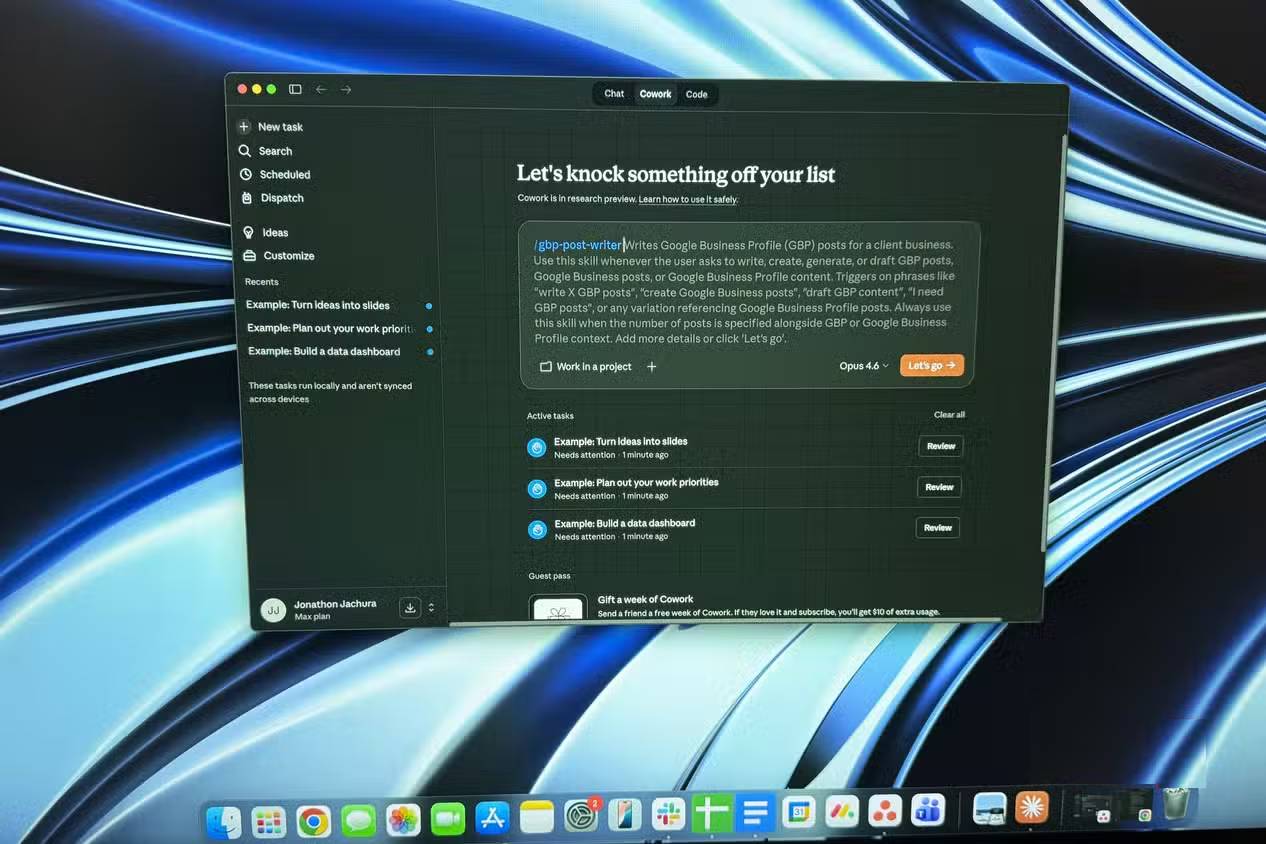
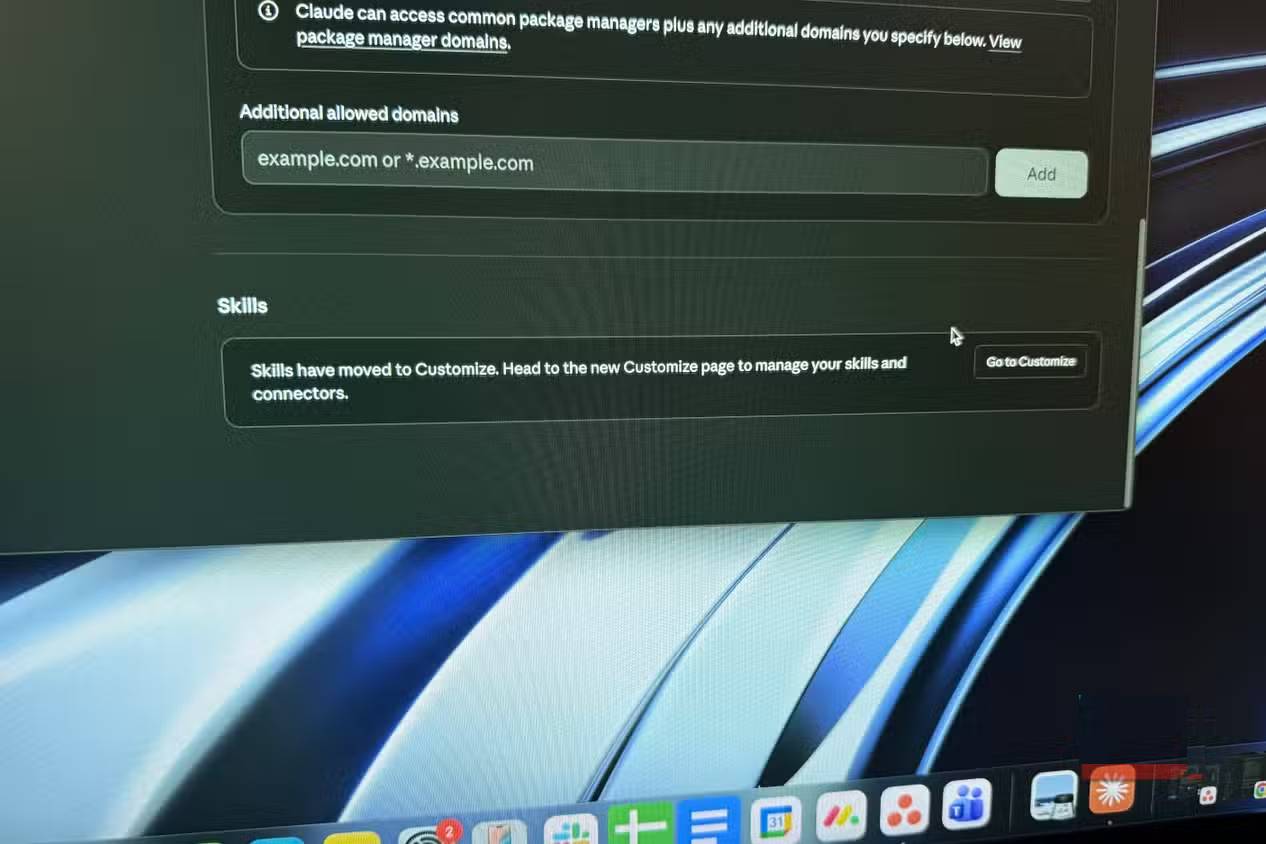
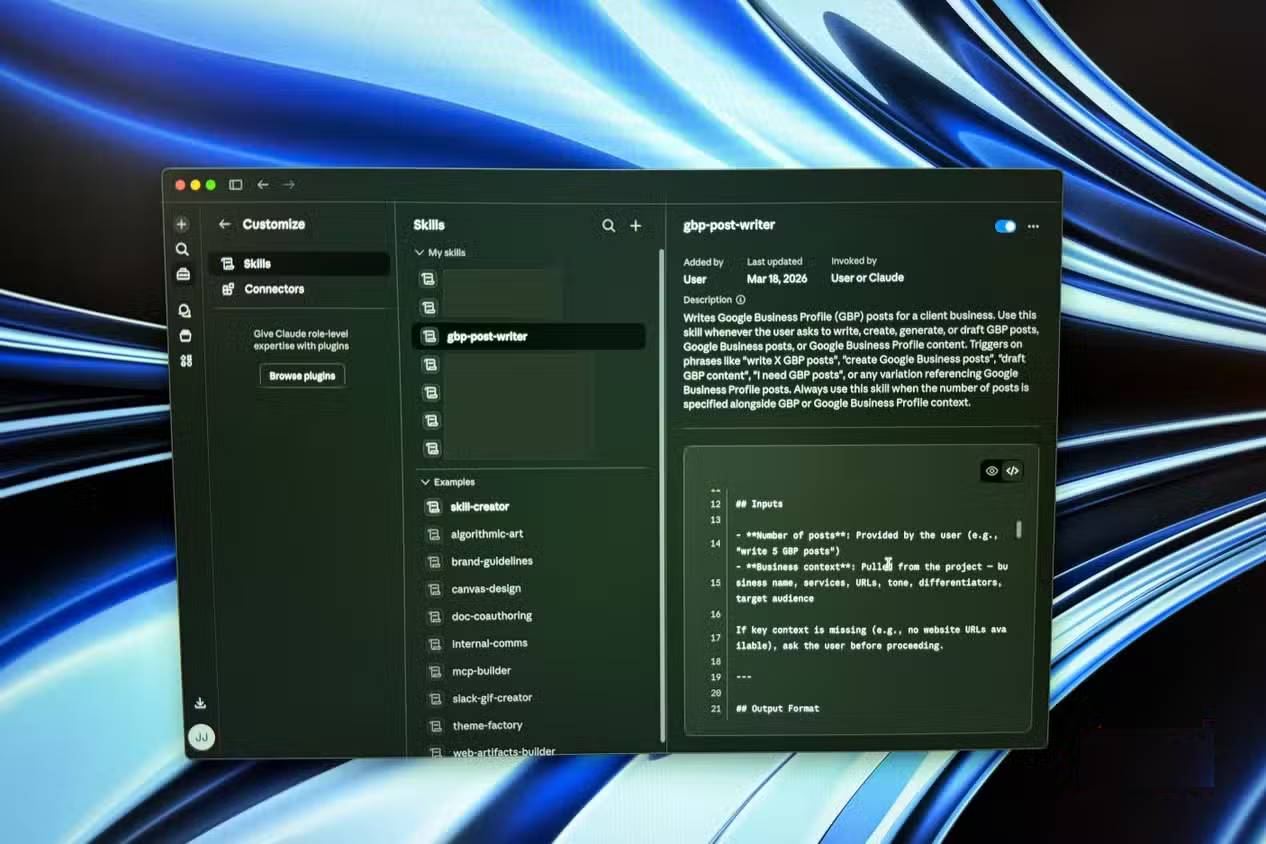
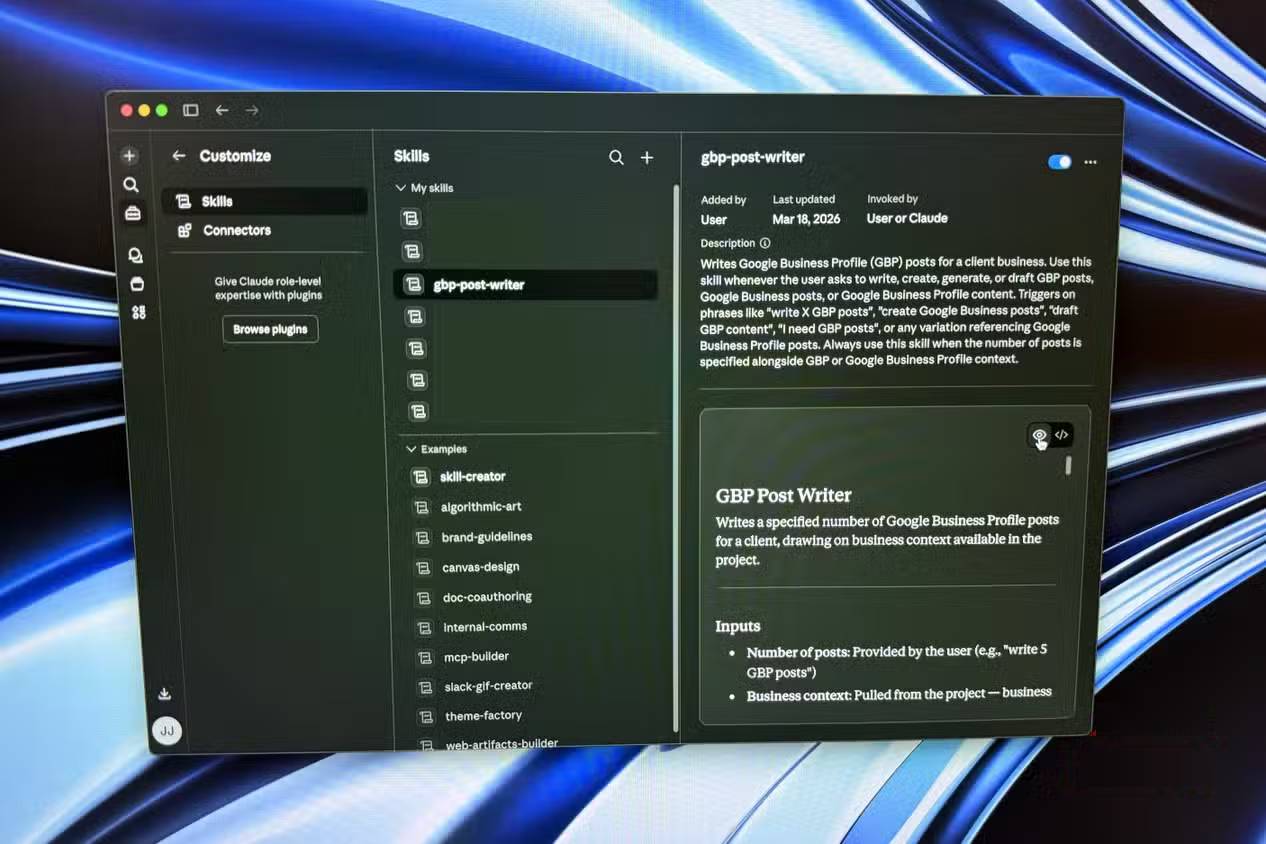
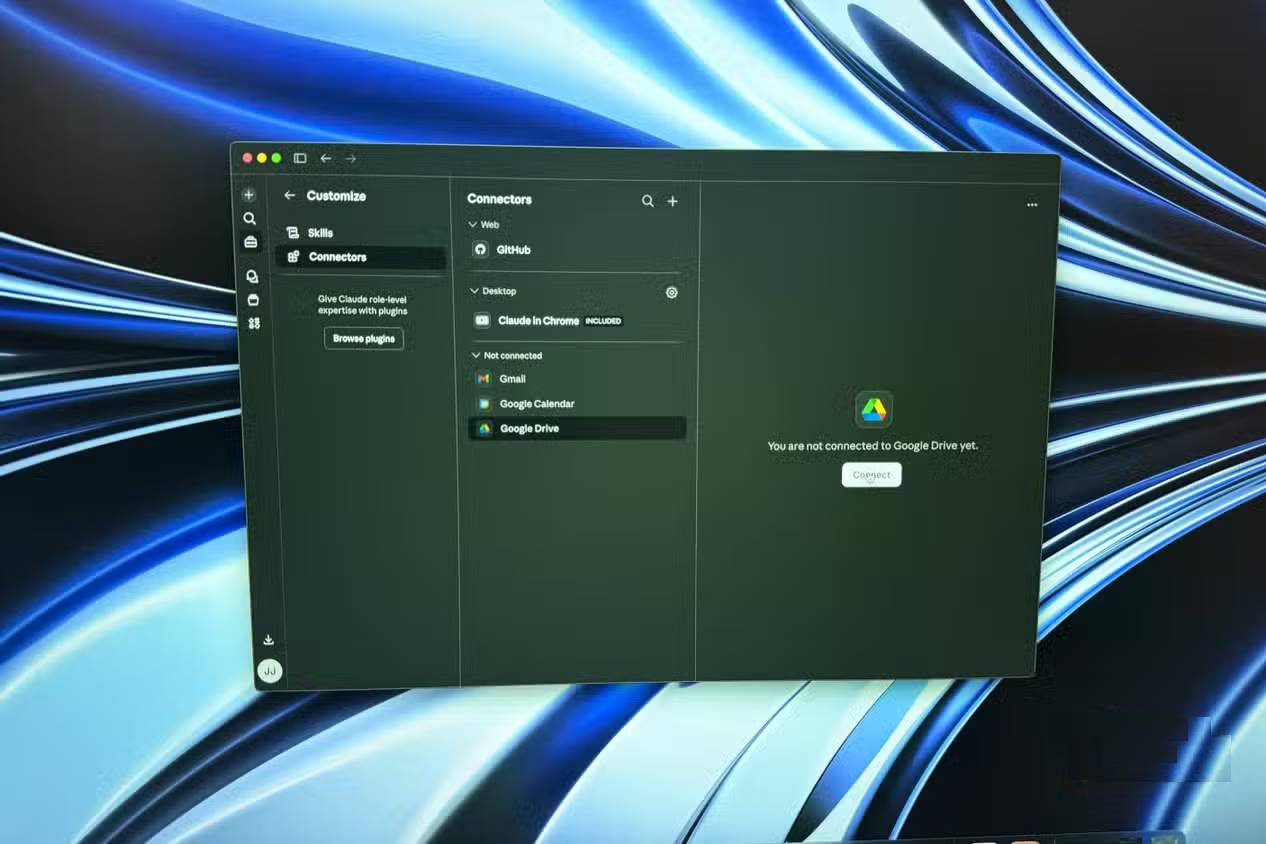
The workflow you can hand over via Claude Cowork is quite simple and doesn't require in-depth technical knowledge. Your computer will have a folder containing branding materials, style notes, a pre-written prompt template for creating skills, and an archive of previous posts. Simply open Cowork, load the folder, run the prompt, and receive a draft content schedule. The recipient can review, edit, and schedule. Artificial intelligence (AI) handles the initial draft, while a human completes the process.
AI tools are increasingly capable of handling creative and marketing roles, but nobody understands a business better than the people who run it. The disregard for human review is a common weakness of AI-generated content – not always due to poor writing quality, but because of a lack of specific, factual knowledge that makes the content less localized.
For small businesses with tight budgets, setting up a system like this makes perfect sense. Outsourcing content creation would be very expensive. If such a workflow can cut those costs while still ensuring quality control, then it's a worthwhile trade-off.
The perspective on AI-written content needs to be neutral. For short posts, where consistency and local visibility are the primary goals, the risk isn't high, so an efficient workflow plus human review is sufficient. It's a different calculation than completely switching from tools you actually trust. For longer articles, you should still write everything yourself – there's a unique structure and specificity to quality long-form writing that no model has consistently achieved.
Clearly, the barriers to this type of automation have decreased significantly. A year ago, a workflow like this would have required significant technical effort – custom integration, developer time, or at least a difficult learning process. Cowork puts it within reach of anyone willing to dedicate a few hours to setup. For freelancers in content or marketing, this shift is worth serious consideration. This isn't a reason to panic, but rather a reason to thoroughly understand these tools before clients even mention them.
Related Articles
 How to Effectively Utilize Claude Cowork for Your Daily Work11 minutes read
 What Is Claude Cowork?: What You Need to Know8 minutes read
 How to Use Claude Cowork to Run Your Business with AI12 minutes read
 Setting up and Running Claude Cowork for the First Time5 minutes read
 Things to Know About Claude Cowork11 minutes read
 How to Build a Plugin from Scratch in Claude Cowork9 minutes read
Reader Comments 0
Sign in with email or Google to join the discussion.