
Technology
What Is Vibe Engineering? AI-Assisted Software Development Explained
Vibe engineering uses AI to implement software while humans retain control of requirements, architecture, testing, security, and production quality.
Browse more Explore clear technology guides, practical tips and useful insights that help you understand devices, software and digital services.
Vibe engineering uses AI to implement software while humans retain control of requirements, architecture, testing, security, and production quality.

Recent research suggests that AI may not truly understand like humans. The Centaur model is suspected of merely memorizing data instead of simulating real…
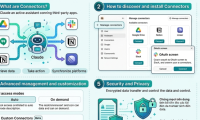
Learn how to add and use Claude Connectors, enable services in a conversation, manage read and write permissions, and connect remote MCP tools safely.

A practical plan for building AI literacy, workflow design, evaluation, data, security, and governance skills across a business without relying on one-off tool training.
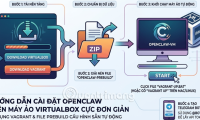
Run OpenClaw in an isolated VirtualBox Linux VM using Vagrant and the official Docker image. Avoid untrusted prebuilt boxes, protect tokens, and verify every step.

Compare eight AI voice agent platforms for e-commerce support, sales, and contact centers, with practical guidance on integrations, safety, testing, and cost.

Chat Smith is a third-party AI assistant for chat, writing, research, images, and files. Review its features, subscriptions, privacy disclosures, and safe download links.

Set Google Translate as your iPhone's default translation app, learn what the setting changes, and fix missing options or offline-language problems.

Learn how to find and use the AccuWeather plugin in ChatGPT, write precise weather prompts, protect location data, and verify forecasts and severe-weather alerts.

Compare Ollama and LM Studio for local AI: interface, APIs, model formats, offline use, hardware needs, cloud options, privacy, and the best fit for each workflow.
Google has not announced a model called Lyria 3 Pro. Learn what Lyria 3.5, Lyria 3, and Lyria RealTime can actually do and where to access them.

Quiz AI scans homework questions and provides step-by-step explanations across several subjects. This guide explains its study tools, limitations, pricing model, and how to verify AI-generated answers.
AutoGPT is an open-source platform for building AI agents that run multi-step workflows. Learn how its agents, tools, triggers, and permissions differ from a normal ChatGPT conversation.

Codex and Claude Code can both inspect repositories, edit files, and run commands. Compare their interfaces, project instructions, automation options, permissions, and practical evaluation criteria.

Use these five reusable Claude prompts to generate analogies, layered explanations, alternative perspectives, structured comparisons, and evidence-aware analysis without vague role-playing.

Use AI to add purposeful digital activities to an existing lesson plan. This guide covers learning outcomes, tool selection, the Innovative Teacher workflow, privacy checks, and teacher review.

ChatGPT Plus is most valuable when free-plan limits interrupt real work. Compare your usage, required tools, model access, reliability needs, and review habits before paying for an upgrade.

Snapchat's generative AI Lenses can animate a photo into a short themed clip. Follow these steps to find an eligible Lens, choose a suitable image, review the result, and share it safely.

Aspect-based sentiment analysis links positive or negative language to the specific product, service, or feature being discussed, helping chatbots interpret mixed feedback more precisely.

LM Studio lets you download, run, chat with, and serve compatible language models on Windows, macOS, and Linux. Learn the workflow, hardware tradeoffs, privacy limits, and API security basics.