Table of Contents
This practical guide walks through 3 ways to check the version of Microsoft .NET framework on, explains the main requirements, and highlights common issues that may appear along the way.
What is Microsoft .NET Framework?
The .NET Framework is a programming and application execution platform primarily on the Microsoft Windows operating system. It includes a set of programming libraries such as interface programming; access, connect to the database; web application; algorithms, data structures; network communication .
1. Use Command Prompt
You can check by Command Prompt through the following steps:
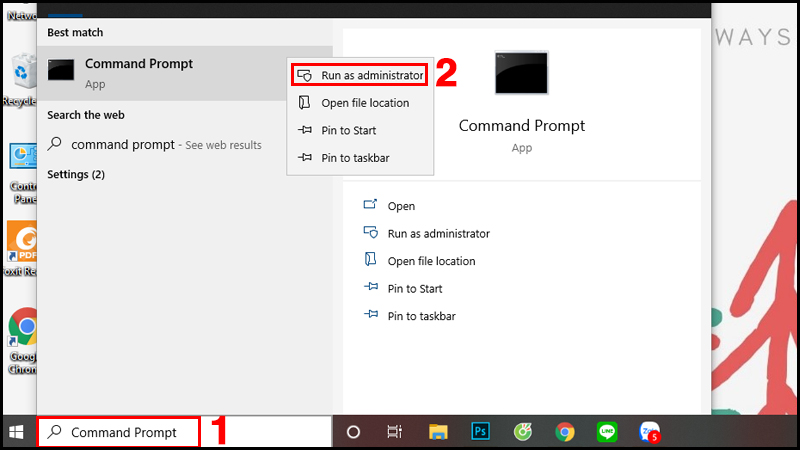
Press Windows + S key combination > Right-click at Command Prompt > Select Run as administrator .
Type the following command line and press Enter to test:
reg query 'HKLMSOFTWAREMicrosoftNet Framework SetupNDP' /s

To check if version 4.x is installed, you can use this variant of this command:
reg query 'HKLMSOFTWAREMicrosoftNet Framework SetupNDPv4' /s

Then check at the Version section .
2. Use the Registry
You can also apply the following:
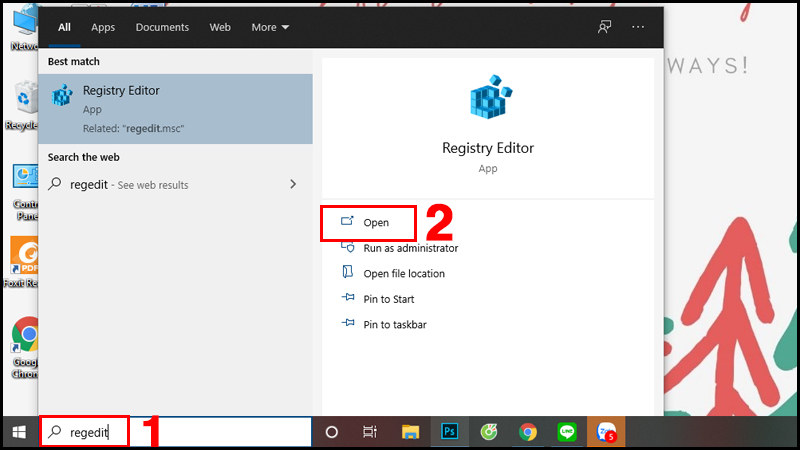
Press Windows + S key combination > Enter "regedit" > Select Open.
Copy and paste the following path into the Registry's address bar and press Enter .
HKEY_LOCAL_MACHINESOFTWAREMicrosoftNET Framework SetupNDP

Select the main version item (eg v4)> Select Client .
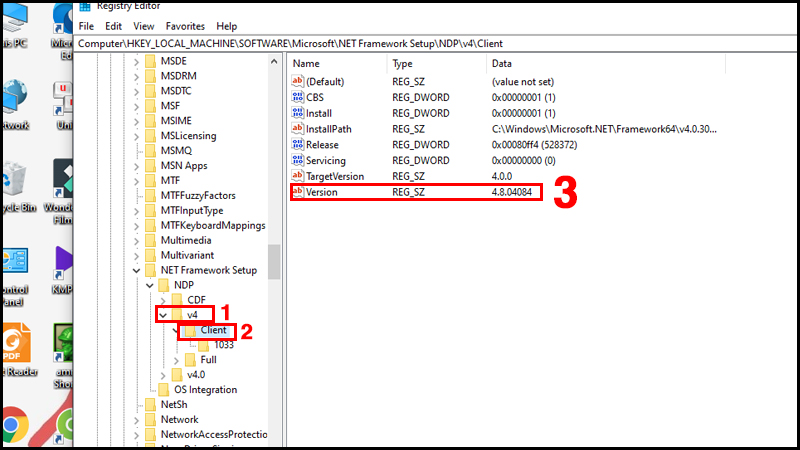
Under Version , you can check your Microsoft .NET Framework version.
3. Use PowerShell
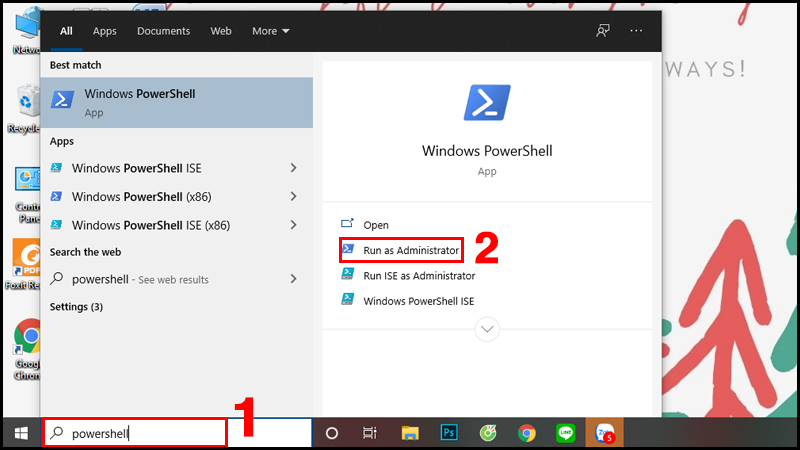
Similar to the above methods, press the key combination Windows + S > Enter "powershell" > Select Run as Administrator .
Then type the following command and press Enter to test:
Get-ChildItem 'HKLM:SOFTWAREMicrosoftNET Framework SetupNDP' -Recurse | Get-ItemProperty -Name version -EA 0 | Where { $_.PSChildName -Match '^(?!S)p{L}'} | Select PSChildName, version

The screen will show the updated versions of Microsoft .NET Framework on your computer.
Above is the article about 3 ways to check the version of Microsoft .NET Framework on Windows 10. Thank you for watching and please look forward to the next article!
Key Takeaways
Use the information above as a practical reference for 3 ways to check the version of Microsoft .NET framework on. Review each step carefully, confirm any requirements, and choose the option that best fits your situation.
FAQ
What does this guide explain about 3 Ways to Check the Version of Microsoft .NET Framework on?
It explains the main concepts, practical considerations, and useful steps related to 3 ways to check the version of Microsoft .NET framework on without requiring advanced knowledge.
Who can benefit from learning about 3 Ways to Check the Version of Microsoft .NET Framework on?
This information is useful for readers who want a clear overview, practical guidance, and reliable steps related to 3 ways to check the version of Microsoft .NET framework on.
What should I check before applying this information?
Review the requirements, confirm that your device, software, or situation matches the instructions, and back up important data before making major changes.
Related Articles
 How to Check .NET Framework Version on Windows 104 minutes read
 How to Install Microsoft NET Framework 4.5 Full for Windows 7, 83 minutes read
 Effective Microsoft .NET Framework Repair and Removal Tool5 minutes read
 Fix the Error of Not Installing the .NET Framework 3.5 on Windows3 minutes read
 How to Enable .NET Framework on Windows 10?2 minutes read
 What Is the Microsoft .NET Framework, and Why Is It Installed on12 minutes read
Reader Comments 0
Sign in with email or Google to join the discussion.